
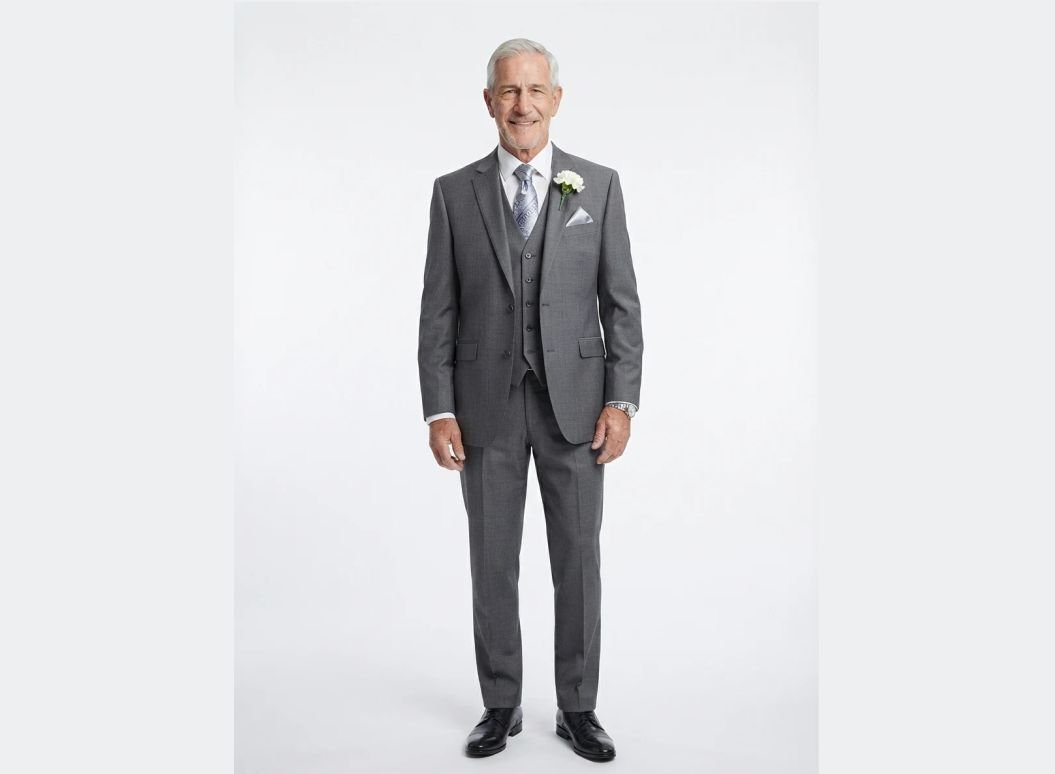
Walking into a church service well dressed is a quiet way of saying the hour matters to you and to the people beside you. For many older men, Sunday clothes carry memories of fathers, grandfathers and congregations that dressed with care every single week.
Church outfits for older men should show respect, suit the congregation and stay comfortable through long services, sermons and fellowship afterward.
Dee Clement, my father, chose native attire for church, and as he grew older he lost interest in suits for events.
I still wear suits to church, and my checked blazer goes there too, so both traditions sit side by side in my family.
What follows covers suits, blazers, native wear, seasons, special services, shoes, grooming and a few slips to avoid.
Table of Contents
Why Church Clothes Still Matter After 50
Dress codes have relaxed in many congregations, yet the habit of dressing up for worship remains strong among older churchgoers.
Older men make up a large share of most regular congregations, which gives their clothing choices real influence on the room.
Gallup’s 2025 figures show that 37% of Americans 65 and older attend services weekly or almost weekly.
The Survey Center on American Life reports that most weekly worshipers are now at least 50, and one in three are 65 or older.
When younger members see a man of seventy dressed neatly, he sets a gentle standard without saying a word about it.
Know Your Congregation First
Every church has its own customs, so the best outfit starts with knowing what is normal where you worship.
- Traditional and liturgical churches usually expect suits or jackets with ties for men, especially on main Sunday services.
- Many evangelical and contemporary churches accept chinos, open collars and knitwear, even for older members.
- West African congregations commonly welcome native attire, from senator outfits to the agbada, alongside Western tailoring.
- Visiting a new church calls for a jacket and collared shirt, since you can always remove a layer later.
A survey of American pastors by Church Answers found that only 15% of pastors wear a tie, while half still wear a coat.
That shift means a tie is rarely required, yet a jacket remains a safe and respectful middle ground.
Church Outfits by Formality
The ideas below run from most formal to most relaxed, so you can pick the level that suits your church.
The Classic Suit
Navy, charcoal and medium gray suits look right in almost any church, worn over crisp white or soft blue shirts.
Add a silk tie in a calm color, and choose a two-button single-breasted cut for a clean, modern line.
My own royal blue suit and my gray one both go to church, and they look dignified without feeling stiff or showy.
For fit and fabric advice, read about choosing a church suit and how it should fit after fifty.
The Blazer and Trousers
A navy or textured blazer over gray trousers or tan chinos is smart, comfortable and easy to repeat each week.
My checked blazer works well here, and the pattern adds interest without stealing attention from the service.
See blazers for Sunday mornings for structured and unstructured styles that flatter an older build.
Native Attire
Native wear carries deep respect in many African churches, and older men wear it with real presence and dignity.
- Senator outfits, with a long fitted top and matching trousers, look clean and suit most regular services.
- The agbada suits harvest thanksgiving, special services and family celebrations held in church.
- Kaftans in rich, plain fabrics with subtle embroidery look modest and comfortable on warm mornings.
- A matching cap finishes the look where custom allows, so check how your own church handles caps indoors.
Later in life my father moved fully to native clothes for events, and many older men make the same choice, especially in hot climates.
Shirt, Tie and Knitwear
A V-neck sweater or sleeveless cardigan worn over a shirt and tie keeps you warm without a heavy jacket.
A sleeveless knit over a collared shirt was one of my father’s favorite formal looks, and it suits church perfectly.
For knit options, see knits for Sunday layering in merino, lambswool or cotton.
Smart Casual
Where the congregation dresses down, wear pressed chinos and a long-sleeved shirt or neat polo, plus polished loafers or brogues.
Avoid jeans with rips, athletic clothing and logo tees, which look careless beside even the most relaxed congregation.
Dressing for the Season
Comfort through a long service depends on fabric as much as style, so plan for heat, cold and air conditioning.
- In hot weather, choose linen, breathable cotton or lightweight wool, and consider linen shirts for warm services under a light jacket.
- In cold weather, layer a knit under your jacket and wear a wool overcoat to church for the walk in.
- In air-conditioned halls, keep a light jacket or cardigan handy, since long services leave plenty of time to feel the cold.
Special Services and Occasions
Some Sundays call for more than your usual outfit, so plan ahead for the big days on the church calendar.
Easter and Christmas
These services are the most dressed-up of the year, so bring out your best suit, finest native outfit or newest tie.
Funerals and Memorial Services
Wear a dark suit or dark native attire with a white shirt, black shoes and a plain, quiet tie.
Baptisms, Weddings and Thanksgivings
Follow the family’s wishes, especially if they have chosen colors or fabrics, and dress slightly smarter than a regular Sunday.
Holding a Role in the Service
Ushers, elders and readers stand before the congregation, so a jacket, pressed shirt and polished shoes are wise choices.
Comfort Through a Long Service
Services can run two hours or more, and older bodies feel every tight waistband and stiff collar during that time.
- Choose trousers with a little ease through the seat and thighs, since you will sit, stand and kneel repeatedly.
- Buy dress shirts with collars a half size larger if a tie feels tight, and keep native necklines comfortable too.
- Pick jackets with soft shoulders, which move easily as you lift your arms during hymns or greetings.
- Wear shoes with cushioned soles and good grip, especially on polished church floors and outdoor steps.
Shoes, Belts and Accessories
Small details complete a church outfit, and people notice them during long services more than many men think.
- Black and deep brown oxfords pair well with suits and native outfits, while loafers suit blazers and senator wear.
- Choose cushioned insoles if you stand for long periods as an usher, choir member or elder.
- Choose a belt whose leather color matches your shoes, with watches, rings and chains simple and modest.
- Remove your hat on entering, following a custom rooted in Paul’s teaching in 1 Corinthians 11 about men praying uncovered.
For more on footwear, see leather shoes for Sunday, and for details, see a tie for church.
My father had one of the children clean and polish his shoes each time he wore them, so they stayed ready for the next service.
Keep yours ready the same way with a simple polishing routine on Saturday evening.
Grooming and Fragrance
A neat haircut, a clean shave or tidy beard and short, clean nails need as much attention as your clothes do.
My father wore fragrance mainly on special days, church among them, and a light touch suits a crowded pew.
Many people near you may be sensitive to strong scents, so one spray is enough, and none at all is fine.
Read more on a light scent for worship before choosing a bottle for Sundays.
Common Church Outfit Errors
- Dressing far more casually than the rest of the congregation, which can feel disrespectful to the occasion.
- Wearing loud prints, flashy jewelry or bright logos that pull attention away from the service.
- Choosing heavy fabrics in hot weather, then spending the sermon uncomfortable and sweating.
- Forgetting to iron shirts or polish shoes, which spoils even an expensive suit or native outfit.
- Leaving a hat on inside the church, which many congregations still see as a lack of respect.
The Merriam-Webster entry for Sunday best dates the phrase to 1794, a reminder of how long churchgoers have dressed with care.
For wider manners, see courtesy every gentleman shows in church and beyond.
Dressing With Reverence
Church outfits for older men should honor the occasion, match the congregation and keep you comfortable throughout the service.
A well-fitted suit, a tidy blazer or dignified native attire are all fitting choices for Sunday.
Plan for the season, polish your shoes, groom neatly and keep fragrance light out of respect for others.
My father chose native attire, I choose suits and blazers, and both reflect the same care for the day.
Lay out your church clothes this Saturday evening, and read more ideas for mature dressers for the other six days of the week.
Frequently Asked Questions
How should an older man dress for church?
A suit, a blazer with trousers or neat native attire suits most churches. Add a collared shirt, polished leather shoes and a tie where the congregation expects one.
Do men still need to wear a tie to church?
Many churches no longer expect ties, though traditional congregations still welcome them. A jacket and collared shirt remain a respectful choice, even when ties are optional.
Is native attire appropriate for church services?
Yes, senator outfits, kaftans and agbada are widely worn and respected in African churches. Choose calm colors and modest embroidery for ordinary Sundays, saving grander outfits for festivals.
Can older men wear jeans to church?
Relaxed congregations may accept dark, clean jeans without rips, worn with a collared shirt and blazer. Traditional churches usually expect smart trousers, so check the local custom before wearing denim.

Pyo Merez is a 45-yeard old husband, father, and a chemical engineer by profession and the founder of Gentsways, a men’s lifestyle site built in honour of his father, Dee Clement. He has been writing about men’s development, style, and character through his father’s lens since 2021, drawing on lived experience, his father’s example, and research from reputable publications. He is not a certified trainer or therapist; where fitness or health topics require it, articles are reviewed by qualified contributors.