
Last updated on January 24th, 2026 at 08:38 am
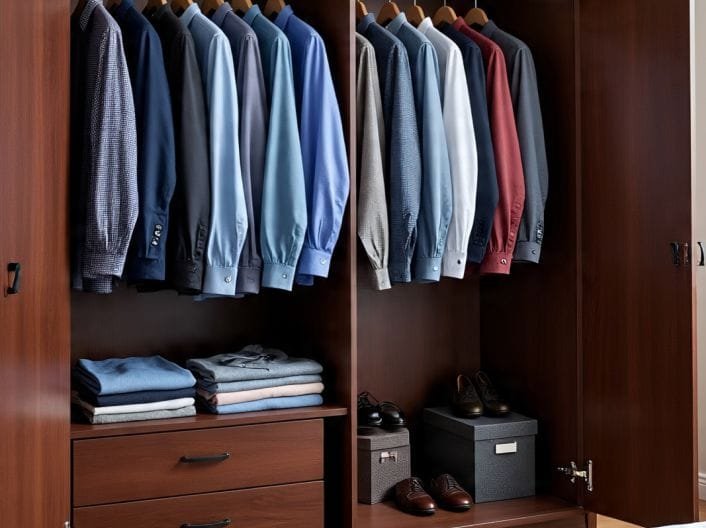
Men’s wardrobe and how to organize it houses smart storage, styling strategies, and daily habits to keep looking sharp and ready.
As a man, your wardrobe reflects your style. A well-organized men’s wardrobe shapes your daily routine, bringing clarity, style, and efficiency to each morning.
Thoughtful arrangement of clothing, shoes, and accessories reduces stress, streamlines outfit selection, and lets your personal taste shine.
Strategic organization lets colors, textures, and core pieces work together, creating combinations that are ready to wear without extra effort.
Beyond appearance, a tidy wardrobe clears mental clutter, giving space to focus and think.
Planning around key items, seasonal rotations, and smart storage saves money, prevents unnecessary purchases, and ensures each piece earns its place.
From casual weekends to professional settings, an orderly men’s wardrobe turns dressing into a confident, intentional, and satisfying ritual.
Table of Contents
What is Men’s Wardrobe?
A men’s wardrobe is a curated collection of clothing, footwear, and accessories designed to suit various occasions, reflect personal style, and provide functionality.
It includes shirts, trousers, jackets, shoes, and essential accessories, allowing for versatile outfit combinations while supporting confidence, practicality, and a polished appearance in daily life.
Types of Men’s Wardrobe
Men’s wardrobe choices reflect style, lifestyle, and daily needs.
Knowing different wardrobe types helps simplify dressing, reduce clutter, and make creating outfits faster and more intentional.
Classic Wardrobe
A classic wardrobe focuses on timeless pieces like tailored suits, button-down shirts, and neutral shoes.
Combining durable fabrics with simple colors ensures outfits remain stylish without frequent changes, giving reliable options for work, events, and casual settings.
Casual Wardrobe
Casual wardrobes prioritize comfort and relaxed style. Items such as jeans, T-shirts, hoodies, and sneakers allow flexibility, making dressing easy for daily routines, weekends, or informal gatherings.
Mixing textures and colors keeps looks interesting without overcomplicating choices.
Business Wardrobe
Business wardrobes suit office and professional settings, featuring suits, dress shirts, ties, and dress shoes.
Coordinating pieces allows fast outfit decisions, projecting confidence, competence, and a neat, professional appearance for meetings and formal events.
Sportswear or Athletic Wardrobe
Sportswear wardrobes include gym clothes, joggers, shorts, and performance footwear.
Designed for activity and movement, these pieces combine comfort with function, making transitions from workouts to casual outings smooth and practical.
Capsule Wardrobe
A capsule wardrobe is built on a small collection of versatile, high-quality items.
Combining shirts, pants, jackets, and shoes that mix easily reduces clutter, simplifies outfit planning, and ensures consistent style across seasons. See a dedicated post on a capsule wardrobe.
Streetwear Wardrobe
Streetwear wardrobes draw inspiration from urban culture and trends, including graphic tees, hoodies, sneakers, and statement accessories.
Bold colors and unique designs allow expression of personality while maintaining a relaxed, modern edge.
Minimalist Wardrobe
Minimalist wardrobes focus on fewer, carefully selected pieces that match easily.
Neutral colors, clean lines, and multipurpose items create effortless outfits, saving time while maintaining a polished and intentional look for everyday life.
Assessing Your Current Wardrobe
Assessing your current men’s wardrobe is the first step toward a functional, stylish closet.
Understanding what works, what doesn’t, and where gaps exist helps create a wardrobe that aligns with lifestyle, occasions, and personal style.
Decluttering Essentials: What to Keep, Donate, or Discard
Start by examining every item, considering how often it is worn and its condition.
Keep pieces that fit well, suit the current style, and serve multiple purposes. Items that no longer fit or match preferences can be donated to provide value to others.
Discard anything damaged beyond repair, ensuring the closet stays organized and purposeful.
Evaluating Frequency of Wear, Fit, and Condition
Track how often clothing is used and its overall quality. Pieces that are rarely worn or uncomfortable may be hindering outfit choices.
Check for wear and tear, fading, or outdated cuts.
Well-maintained, properly fitting garments support confidence, streamline daily dressing, and prevent clutter from disrupting the flow of your men’s wardrobe.
Identifying Style Gaps and Overstock
Analyze the collection for missing essentials, like versatile pants, jackets, or shoes that complete outfit options.
Recognize overstocked items that limit rotation and decision-making.
Balancing gaps and excess ensures a coherent, functional wardrobe tailored to current needs and seasonal demands.
Organizing by Clothing Type
Organizing a men’s wardrobe by clothing type helps maintain order, clarity, and efficiency.
Separating items allows quick access, reduces clutter, and makes dressing for work, casual events, or formal occasions simpler and more intentional.
Tops, Bottoms, Outerwear, Underwear, and Activewear
Separating tops, bottoms, outerwear, underwear, and activewear ensures each category stays organized.
Shirts, T-shirts, and sweaters can be folded or hung, trousers and jeans arranged carefully, and outerwear preserved to maintain shape and accessibility.
Keeping Work, Casual, and Formal Pieces Separate
Grouping work, casual, and formal clothing prevents confusion during outfit selection.
Professional items, casual wear, and formal attire each have dedicated spaces, making it easier to find suitable pieces while maintaining a polished appearance and clear wardrobe structure.
Storing Seasonal Clothing
Rotating seasonal clothing frees space and protects garments.
Summer items like shorts and light shirts can be stored during winter, while coats and sweaters are brought forward, preserving fabrics, preventing clutter, and simplifying men’s wardrobe management.
Wardrobe Storage Solutions
Optimizing storage is key to maintaining a clean, functional men’s wardrobe.
Strategic use of hangers, shelves, drawers, and specialized organizers keeps clothing accessible, protects fabrics, and creates a sense of order that makes dressing smoother and faster.
Closet Organization: Hangers, Shelves, and Drawers
Hangers help maintain shape and prevent wrinkles for shirts, jackets, and trousers.
Adjustable shelves store folded items like sweaters, while deep drawers accommodate bulkier pieces.
Thoughtful placement ensures a clear view of garments, making outfit selection more efficient.
Drawer Organizers, Boxes, and Bins for Small Items
Dividers, boxes, and bins keep socks, underwear, and smaller items neatly separated.
Proper labeling and consistent placement reduce clutter, simplify retrieval, and protect delicate fabrics, maintaining the longevity and appearance of each garment.
Specialty Storage for Shoes, Ties, and Accessories
Shoe racks, tie holders, and accessory trays create dedicated spaces for items often overlooked.
Organized storage prevents damage, ensures visibility, and allows accessories to complement outfits easily, keeping the men’s wardrobe functional and stylish.
Maximizing Closet Space
Making the most of closet space transforms a men’s wardrobe into a functional, organized system.
Thoughtful techniques and strategic storage solutions reduce clutter, improve accessibility, and create an enjoyable dressing experience every day.
Rolling vs Folding Clothes
Rolling clothes like t-shirts, casual shirts, and lightweight trousers saves horizontal space and minimizes wrinkles, while folding heavier garments such as sweaters or denim maintains structure.
Combining both methods optimizes capacity, keeps items visible, and allows for easier rotation and selection of outfits in daily routines.
Using Vertical Space and Door Organizers
Adding shelves, hooks, or hanging organizers on walls and doors takes advantage of unused vertical space.
Belts, ties, scarves, and hats can be displayed and stored efficiently, improving visibility, reducing clutter, and keeping frequently used items within easy reach for smoother outfit preparation.
Storage for Off-Season Clothes
Off-season garments like winter coats or summer shorts benefit from dedicated bins, vacuum bags, or high shelves.
Properly storing these items protects fabrics, frees prime closet space, and ensures a streamlined, accessible wardrobe when seasonal rotation is required.
Maintenance and Care
A well-maintained men’s wardrobe stays functional, sharp, and long-lasting.
Regular care, seasonal rotation, and mindful organization prevent clutter, protect fabrics, and ensure each outfit remains ready for any occasion.
Cleaning, Ironing, and Garment Care
Proper cleaning extends the life of shirts, trousers, and outerwear.
Sorting laundry by fabric type, following care labels, and ironing garments correctly keep them crisp, presentable, and wrinkle-free.
Regular attention to stains and prompt repairs preserves both the appearance and value of clothing items.
Rotating Seasonal Pieces
Switching clothes according to seasons keeps the wardrobe efficient and prevents overcrowding.
Storing off-season jackets, sweaters, or shorts in bins or high shelves allows easy access to current essentials and ensures daily dressing remains simple and organized.
Avoiding Wardrobe Clutter Accumulation
Regular decluttering prevents the accumulation of unworn items.
Assessing fit, condition, and frequency of use helps identify what to donate, discard, or repair, creating a tidy, functional men’s wardrobe that supports everyday style.
Creating a Daily Dressing System
Building a daily dressing routine brings clarity, reduces decision fatigue, and ensures a men’s wardrobe remains organized and functional.
Planning outfits strategically simplifies choices, allowing confidence in both casual and formal settings every day.
Outfit Planning and Capsule Wardrobe Concept
Arranging outfits in advance minimizes stress in busy mornings.
A capsule wardrobe groups essential clothing, shoes, and accessories into mix-and-match sets, letting each item contribute to multiple looks while keeping the closet compact and manageable.
Thoughtful selection ensures all pieces work together seamlessly.
Coordinating Pieces for Work, Casual, and Formal Occasions
Separating outfits by context makes dressing intuitive.
Workwear, casual clothing, and formal attire each have a designated section or combination, allowing quick selection while maintaining style consistency.
Matching fabrics, colors, and textures reinforces cohesion across different settings.
Using a Checklist or Wardrobe App
Tracking clothing combinations with a checklist or digital wardrobe app organizes choices efficiently.
Recording favorite outfits, noting seasonal rotations, and monitoring wear frequency ensures garments are used effectively, preventing over-purchasing.
Upgrading Over Time
A well-curated men’s wardrobe evolves alongside lifestyle, personal taste, and professional demands.
Regularly reviewing pieces, replacing worn items, and investing thoughtfully ensures the collection remains stylish, functional, and aligned with changing needs over time.
Investing in Quality Over Quantity
Focusing on quality ensures garments last longer and maintain their appearance through repeated wear.
Choosing durable fabrics, strong stitching, and classic designs reduces clutter, supports smarter spending, and guarantees that each piece contributes meaningfully to a men’s wardrobe while sustaining style for years.
Phasing Out Worn-Out Items
Regularly assessing clothing for wear and tear prevents a closet from becoming cluttered.
Retiring faded, damaged, or ill-fitting garments makes room for functional pieces that support confident dressing and keep a men’s wardrobe practical, polished, and visually cohesive.
Adapting Wardrobe as Lifestyle Changes
Shifts in career, social activities, or climate may require wardrobe adjustments.
Introducing new items, modifying color palettes, and integrating seasonal or purpose-specific clothing ensures the men’s wardrobe remains aligned with evolving routines and daily demands.d keeping a men’s wardrobe tidy and practical.
Conclusion
A well-organized men’s wardrobe shapes confidence, simplifies daily choices, and highlights personal style.
Thoughtful arrangement of clothing, footwear, and accessories reduces stress, prevents clutter, and ensures every piece earns its place.
Rotating seasonal items, maintaining garments, and planning outfits for the time creates a system that supports both casual and professional settings.
Investing in quality pieces, phasing out worn items, and adapting the collection to lifestyle changes keeps the wardrobe functional, stylish, and easy to manage.
By prioritizing organization, storage, and careful selection, a men’s wardrobe becomes more than clothing; it becomes a tool for clarity, efficiency, and consistent style in daily life.
Frequently Asked Questions
What are the essential pieces for a men’s wardrobe?
Core items include dress shirts, t-shirts, chinos, jeans, blazers, jackets, leather shoes, and accessories like belts and watches for versatile outfit combinations.
How can I organize a men’s wardrobe efficiently?
Sort clothing by type, separate work, casual, and formal pieces, rotate seasonal items, and use hangers, shelves, and storage solutions to maintain order.
How often should a men’s wardrobe be updated?
Regularly review garments for wear, fit, and style gaps. Replace worn-out pieces, add seasonal items, and adjust colors or fabrics to match lifestyle changes.
What role do accessories play in a men’s wardrobe?
Accessories like belts, watches, ties, and hats refine outfits, add personality, and help create cohesive, stylish combinations across casual, work, and formal settings.
Rerences

Pyo Merez is a men’s lifestyle enthusiast and writer about the gentleman’s place and impact on society. Raised by a distinguished gentleman dad, he offers unique insights into how the mind of a gentleman works and how societal norms shape gentlemen’s identity and vice versa.
Through his insightful articles, Pyo taps into the depths of gentleman culture to provide perspectives on etiquette and manners in modern society.