Last updated on March 4th, 2026 at 09:58 pm
Men’s overcoat styles define winter confidence, combining warmth, clean structure, and timeless appeal that sharpens outfits from workdays to weekends.
A well-chosen overcoat changes how your entire outfit is perceived the moment you step outside.
Sharp lines, proper length, and quality fabric add authority to winter looks without extra effort.
Many men rely on bulky jackets that hide good tailoring or throw off proportions.
Winter style works better when outerwear frames your body, complements layers, and moves easily from work to social settings.
This guide shows how to choose overcoat styles that match your lifestyle, select the right fit for your build, and pick fabrics that handle cold, wind, and daily wear.
Clear styling tips help your overcoat pair smoothly with suits, knitwear, boots, and casual outfits, keeping you confident through every cold-weather day.
New to men’s outerwear? See this guide.
Table of Contents
What Is a Men’s Overcoat?
An overcoat is a long outer garment designed to be worn over suits, sweaters, or layered outfits.
Length usually falls around the knee, helping trap heat and protect clothing underneath.
Tailored shoulders, structured lapels, and heavier fabrics like wool blends give it a sharp profile while making it easy to handle cold weather.
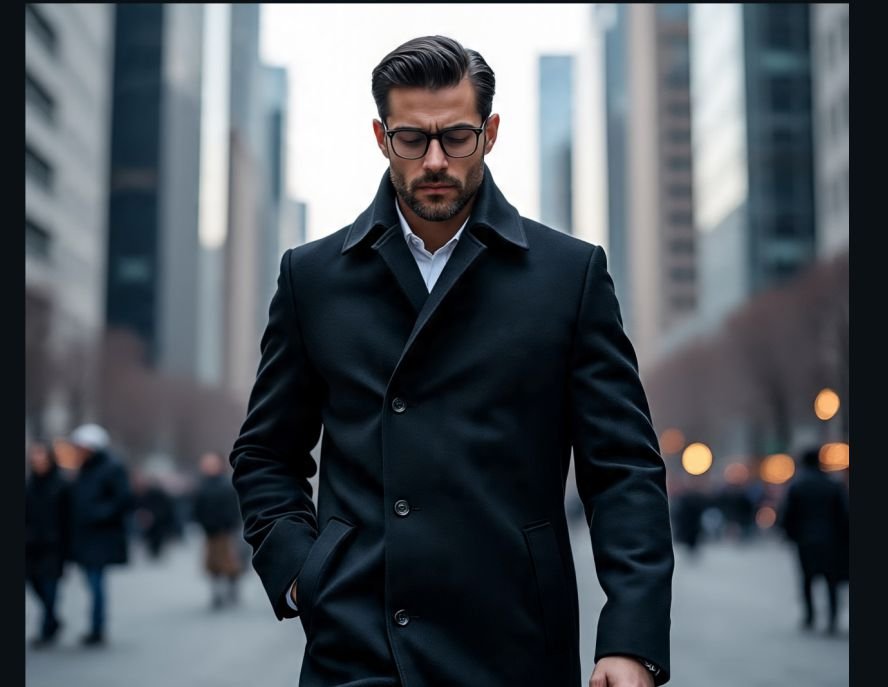
A men’s overcoat brings structure, warmth, and polish to winter outfits, sitting neatly over layers while maintaining clean lines that suit formal, smart-casual, and refined everyday looks.
Difference Between an Overcoat, Topcoat, and Coat
Overcoats use heavier wool fabrics and longer lengths for cold temperatures and formal wear.
Topcoats feel lighter, shorter, and suit mild winter days or transitional weather.
A general coat covers everything from casual jackets to parkas, offering flexibility but less structure for tailored outfits.
When and Where Overcoats Are Most Appropriate
Overcoats work best in office settings, business travel, formal events, and evening outings where clean lines matter.
Worn over suits, knitwear, or tailored trousers, they maintain a polished look.
City commutes, cold mornings, and dress-focused occasions benefit most from their warmth and refined structure.
Popular Types of Men’s Overcoats
Different overcoat styles change how winter outfits look and feel, from sharp and formal to relaxed and casual.
Choosing the right type helps your outerwear match your lifestyle and daily routine.
Chesterfield – Classic and Formal
The Chesterfield features clean lines, a structured fit, and a single-breasted design that works well over suits and dress trousers.
Smooth wool fabric and minimal details keep it refined.
Formal settings, office wear, and evening events benefit from its timeless shape and polished appearance.
Polo Coat – Relaxed Elegance
A polo coat brings warmth with a softer, more relaxed feel.
Often double-breasted with wide lapels, it pairs well with knitwear, tailored trousers, or layered outfits.
Thicker wool and neutral tones like camel add depth while keeping your look comfortable and confident in cold weather.
Peacoat – Military-Inspired and Versatile
The peacoat offers a shorter length and a double-breasted front, making it practical and easy to wear.
Originally designed for sailors, it handles wind well and suits casual or smart-casual outfits.
Pairing with jeans, boots, or chinos keeps winter style balanced and functional.
Duffle Coat – Casual and Functional
Duffle coats stand out with toggle closures, hoods, and roomy fits.
Heavy wool construction delivers warmth, while the relaxed silhouette suits everyday wear.
Casual outings, weekend errands, and layered outfits benefit from its comfort and practical design during colder months.
Wrap / Belted Coat – Refined and Modern
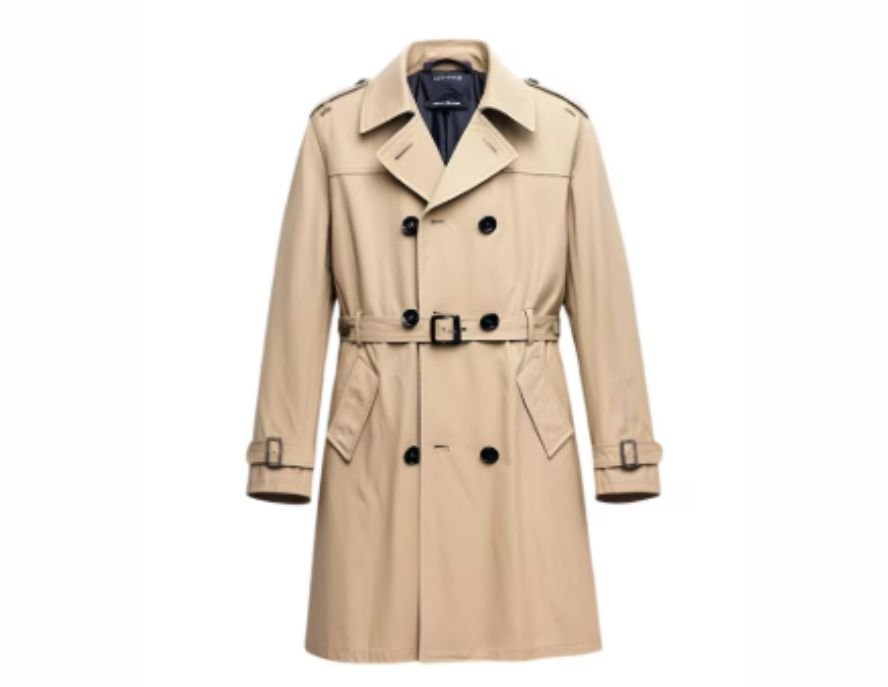
Wrap or belted coats feature clean lines and adjustable waists that shape your frame.
Tying the belt creates structure without stiffness, working well over sweaters or suits.
This style suits modern wardrobes, offering warmth, flexibility, and a sharp look for city wear or travel.
Related
Best Fabrics for Men’s Overcoats
Fabric choice shapes how an overcoat feels, performs, and lasts through winter.
Weight, weave, and fiber type determine warmth, breathability, and how well the coat holds structure in cold weather.
Wool and Wool Blends
Wool remains the most reliable fabric for overcoats, offering natural insulation and breathability.
Wool blends add durability and help coats keep their shape through daily wear.
This fabric works well for office use, commuting, and long winter days without feeling stiff or heavy.
Cashmere and Wool-Cashmere Blends
Cashmere brings softness and lighter weight while retaining warmth.
Blending cashmere with wool improves durability and reduces wear.
These fabrics suit dress-focused overcoats worn for work, travel, or evenings out, offering comfort without sacrificing a clean, tailored look.
Tweed and Heavy Melton
Tweed and heavy melton fabrics provide strong insulation and resistance to wind.
Their dense weave handles rough weather and frequent use.
These materials suit colder climates and casual or smart-casual overcoats, pairing well with knitwear, boots, and layered winter outfits.
How Fabric Choice Affects Warmth and Durability
Heavier fabrics trap heat better, while tighter weaves block wind and moisture.
Durable fibers resist pilling and stretching, extending the coat’s lifespan.
Matching fabric weight to climate ensures comfort, long wear, and a consistent, sharp appearance throughout winter.
How an Overcoat Should Fit
Proper fit determines how an overcoat looks and feels in daily wear.
Clean lines, correct length, and balanced proportions keep your outfit sharp while allowing comfortable layering in cold weather.
Shoulder Fit and Sleeve Length
Shoulders should sit flat without pulling or excess padding, matching your natural frame.
Sleeves need to end near the wrist bone, allowing shirt cuffs to show slightly.
Correct sleeve length keeps the coat polished and prevents a sloppy or oversized appearance.
Ideal Coat Length (Knee vs Mid-Thigh)
Knee-length overcoats offer more warmth and pair well with suits and formal outfits.
Mid-thigh lengths suit casual or smart-casual looks, providing easier movement.
Choosing length based on height and outfit style keeps proportions balanced and flattering.
Allowing Room for Layering Without Looking Bulky
A well-fitted overcoat leaves space for sweaters or suit jackets underneath without straining buttons.
The chest and waist should feel comfortable, not tight.
Tailored cuts and proper sizing ensure warmth while maintaining a streamlined silhouette.
How to Style a Men’s Overcoat
An overcoat can transform your winter wardrobe, framing outfits from formal to casual.
Pairing the right layers, colors, and footwear ensures your coat complements your style while keeping you warm and comfortable.
Overcoats with Suits (Formal and Business Wear)
Wearing an overcoat over a suit adds structure and professionalism.
Choose classic colors like navy, black, or charcoal to match your suit.
Pair with leather dress shoes and minimal accessories, letting the coat protect your outfit while keeping sharp lines intact for office or business events.
Smart-Casual Outfits: Sweaters, Chinos, Boots
Layer your overcoat over a fine-knit sweater and tailored chinos for polished smart-casual looks.
Boots or leather sneakers complete the outfit, while scarves or gloves add subtle texture.
This combination works for dinners, casual meetings, or city outings without feeling overdressed.
Casual Looks: Hoodies, Denim, Sneakers
Pair your overcoat with a hoodie or knit sweatshirt and jeans for a relaxed winter style.
Sneakers or casual boots keep the outfit grounded, while layering underneath maintains warmth.
Neutral or muted tones allow the overcoat to tie the look together without overpowering casual pieces.
Best Colors for Men’s Overcoats
Color sets the tone of your winter outfits, affecting how layers, accessories, and overall style come together.
Choosing the right shade ensures your overcoat works with multiple looks and occasions.
Classic Neutrals: Black, Navy, Grey, Camel
Neutral tones provide maximum versatility and timeless appeal.
Black and grey feel formal and polished, navy adds depth to layered outfits, and camel introduces warmth and texture.
These shades pair easily with suits, knitwear, trousers, and boots for effortless coordination.
Choosing a Versatile First Overcoat
Start with a neutral color that complements most of your wardrobe.
A navy or charcoal coat works with casual, smart-casual, and formal outfits, letting you layer sweaters, shirts, or suits without worrying about clashing tones.
When to Experiment with Bold or Textured Colors
After securing a classic coat, try textured fabrics or muted bold tones like deep green, burgundy, or patterned wool.
These options add character to casual and smart-casual looks, giving your wardrobe personality without overpowering other pieces.
Seasonal and Climate Considerations
Choosing the right overcoat depends on climate and seasonal needs.
Fabric weight, lining, and weather resistance determine warmth, comfort, and how well the coat adapts to your daily routine.
Cold Winter vs Mild Winter Overcoats
Thicker wool, cashmere blends, and full-length coats work best in harsh winter conditions, keeping body heat trapped and blocking wind.
Lighter fabrics and mid-length designs suit mild winters, allowing easier movement and layering without overheating.
Matching coat weight to climate ensures comfort and style.
Lined vs Unlined Coats
Lined overcoats provide extra insulation, helping maintain warmth during long outdoor exposure.
Unlined coats feel lighter, more breathable, and better for layering over sweaters or jackets in milder conditions.
Choosing lining based on temperature and usage keeps your outfit functional.
Weather Resistance and Layering Tips
Water-resistant fabrics and treated wool repel rain or snow, protecting both you and your clothing underneath.
Leave room for sweaters, shirts, or blazers, ensuring warmth without creating bulk.
Layering strategically maintains a sharp silhouette while handling changing weather.
Common Overcoat Mistakes Men Make
Even small errors in selecting or styling an overcoat can ruin winter outfits.
Spotting these mistakes helps you stay warm, comfortable, and polished in every setting.
Buying the Wrong Size
A coat that is too tight restricts layering, while one that is too loose adds bulk and looks sloppy.
Shoulders, chest, and sleeve length should match your frame, allowing room for sweaters or jackets underneath without losing shape or proportion.
Choosing Fashion Over Warmth
Opting for style at the expense of insulation can leave you cold and uncomfortable.
Lightweight or thin fabrics may look sleek, but fail in cold weather. Balancing aesthetics with warmth ensures the coat performs as well as it looks.
Ignoring Fabric Quality
Low-quality fabrics can pill, lose shape, or fail against wind and moisture.
Investing in wool, wool-cashmere blends, or treated fabrics maintains structure, durability, and comfort, keeping your overcoat sharp for multiple seasons.
Care and Maintenance
How you store and maintain an overcoat affects its appearance, warmth, and lifespan.
Simple habits keep fabrics sharp, prevent damage, and ensure your coat looks polished season after season.
Proper Storage and Hanging
Use wide, sturdy hangers to support shoulders and maintain shape.
Avoid overcrowding in the closet, and store in breathable garment bags during off-seasons to prevent dust and wrinkles.
Proper storage preserves the structure and helps the coat stay ready for cold weather.
Cleaning and Brushing Wool Coats
Regularly brush wool coats with a soft-bristle garment brush to remove dirt and lint.
Spot-clean stains promptly, and avoid frequent dry cleaning, which can weaken fibers.
Proper care keeps the fabric smooth, vibrant, and resistant to wear.
Extending the Life of Your Overcoat
Rotate coats to reduce daily wear, allow fabrics to rest, and avoid prolonged exposure to rain or snow. Repair small tears or loose buttons immediately.
Following these steps preserves warmth, fit, and style, keeping the coat functional for years.
Conclusion
A men’s overcoat does more than keep you warm; it shapes how every outfit is perceived.
Choosing the right style, fit, fabric, and color ensures comfort, structure, and polish in winter.
Classic neutrals provide versatility, while patterned or textured coats add personality.
Proper layering, seasonal adjustments, and careful maintenance keep the coat functional and stylish throughout the cold months.
Avoiding common mistakes, like poor sizing or low-quality fabrics, ensures long-lasting wear.
With attention to fit, styling, and care, your overcoat becomes a wardrobe anchor, helping you move confidently from workdays to weekends without sacrificing warmth or sharpness.
Frequently Asked Questions
What is the ideal overcoat length for men?
Knee-length coats suit formal and layered outfits, while mid-thigh lengths offer mobility and a smart-casual balance, depending on height and activity.
How should an overcoat fit over a suit?
The shoulders should align with your frame, and the chest and waist must allow layering without bulk or restricting movement.
Which fabrics are best for winter overcoats?
Wool, wool-cashmere blends, tweed, and heavy melton provide insulation, structure, and durability, keeping you warm and polished in cold weather.
Can overcoats be worn casually with jeans?
Yes, pairing a neutral or textured overcoat with jeans, hoodies, or knitwear creates relaxed winter looks without compromising warmth or style.
References

Pyo Merez is a men’s lifestyle enthusiast and writer about the gentleman’s place and impact on society. Raised by a distinguished gentleman dad, he offers unique insights into how the mind of a gentleman works and how societal norms shape gentlemen’s identity and vice versa.
Through his insightful articles, Pyo taps into the depths of gentleman culture to provide perspectives on etiquette and manners in modern society.