
Last updated on January 20th, 2026 at 01:00 pm
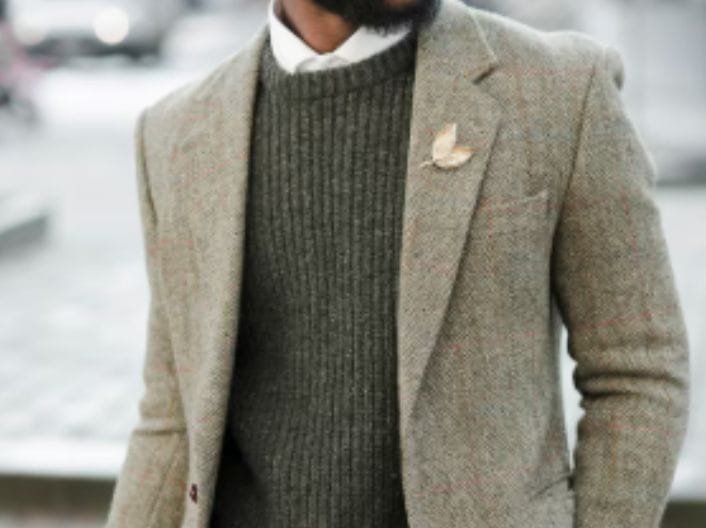
Men’s fashion layering can transform your style, combining comfort, practicality, and visual appeal to create outfits that look sharp and polished.
The way you layer your clothing can completely change how you look and feel.
By learning simple layering techniques, you can combine shirts, sweaters, jackets, and accessories to create outfits that stay stylish in any weather.
Proper layering allows you to mix textures, colors, and proportions, turning basic pieces into polished ensembles.
Layering also gives you control over comfort throughout the day.
You can add or remove pieces depending on the temperature while keeping your outfit coordinated.
From casual streetwear to office attire, layering lets you experiment with combinations and make the most of your wardrobe.
With the right approach, you can create multiple looks from a few key pieces, saving time, money, and effort.
Table of Contents
What is Layering?
Layering in men’s fashion is the practice of wearing multiple clothing pieces together in a balanced way. It combines base layers, mid layers, and outer layers to manage comfort, weather, and style.
Proper layering enhances fit, adds depth to an outfit, and allows for easy temperature adjustment while maintaining a clean, intentional look.
The Basics of Layering in Men’s Outfits
Layering in men’s outfits helps your clothes work with the weather, movement, and daily settings.
When pieces are placed with intent, comfort improves, fit looks sharper, and style feels controlled.
Base Layer: Where Comfort Starts
In men’s fashion layering, base layers sit closest to your skin and decide how comfortable the day feels.
Sweat control, heat balance, and fit all start here. Fabrics like merino wool, cotton blends, and performance synthetics help manage moisture while staying breathable.
Fitted t-shirts work well for warm settings, while long-sleeve tops suit cooler days and smooth layering under sweaters or jackets.
Thermal tops add warmth in cold weather without bulk.
Fabric choice affects airflow and heat control, so poorly made pieces trap sweat and cause discomfort.
Strong base layers keep lines clean and support every layer above them.
Middle Layer: Shape, Warmth, and Balance
Middle layers add warmth, shape, and depth to your outfit while keeping movement easy.
Sweaters, cardigans, hoodies, vests, and light jackets work well here.
Thickness should match the weather and daily activity. Merino wool sweaters give warmth without weight, while cotton knits feel relaxed and breathable.
Vests add insulation without restricting your arms, making them useful in mild conditions.
Color and texture matter at this stage, as they break up the outfit and guide the eye.
Proper fit prevents bunching and keeps the look controlled, helping base and outer layers sit naturally together.
Outer Layer: Protection and First Impression
Outer layers protect against wind, rain, and cold while setting the tone of your outfit.
Jackets, coats, blazers, denim jackets, and parkas all serve different needs.
Wool coats bring clean structure in cold seasons, while blazers sharpen casual looks without feeling stiff.
Denim jackets suit mild weather and pair easily with shirts or knits.
Parkas handle harsh conditions with insulation and coverage.
Fit across the shoulders and chest shapes the full outfit, so sizing matters.
Seasonal fabric choice keeps comfort steady and helps your layered look stay practical, balanced, and visually strong.
Related Posts
Corporate Fashion for Older Men
Guide to Men’s Fashion Accessories
Fashion Etiquette for Gentlemen
Choosing Fabrics and Textures
Fabric choice shapes how your layered outfit feels, moves, and looks.
Smart texture pairing adds depth without bulk, keeps comfort steady, and helps each layer sit right through changing weather and daily wear.
Mixing Fabrics for Contrast
Combining different fabrics gives your outfit a clear structure and visual balance.
Wool with denim works well for casual looks, pairing warmth with durability.
Cotton shirts under knitwear keep airflow steady. Leather outer layers add edge and strength.
Texture contrast keeps layers distinct, preventing flat outfits and helping each piece stand on its own.
Balancing Fabric Weight
Layering works best when fabric weight feels intentional. Lightweight cotton, linen, or thin knits sit smoothly under sweaters or jackets.
Heavier wool or leather belongs on top, keeping bulk under control.
This balance supports movement, improves fit, and helps your outfit adapt to shifting temperatures without constant adjustment.
Using Texture to Shape Style
Texture guides how your outfit is read at a glance. Smooth fabrics calm the look, while rough or ribbed materials add character.
Mixing soft knits with structured denim or leather creates depth without clutter.
Paying attention to texture keeps layers from blending and sharpens your overall appearance.
Color Coordination in Layering
Color coordination keeps layered outfits clean, balanced, and easy on the eye.
When tones, shades, and patterns work together, your clothes feel intentional, fit better visually, and suit daily wear or social settings.
Building With Neutral Colors
Neutral colors anchor your layers and keep outfits flexible. Shades like navy, gray, beige, black, and white create a steady base for men’s layering.
Shirts, sweaters, or outerwear in these tones reduce clashes, support clean lines, and make outfit planning faster without feeling flat or dull.
Adding Accent Colors With Control
Accent colors bring life into layered looks when used with care.
Olive, burgundy, rust, or mustard work well on shirts, scarves, or knitwear.
Limiting bold shades to one or two pieces keeps the balance intact.
Strong color placement guides attention without overpowering the rest of your outfit.
Mixing Patterns Without Chaos
Patterns add depth when scale and color stay controlled. Thin stripes under solid knits or small checks beneath heavier outerwear keep the look calm.
Pairing patterns from the same color family avoids conflict. Texture and pattern should support each other, not compete for attention.
Layering for Different Seasons
Seasonal layering helps your clothes match temperature changes without constant outfit swaps.
Fabric weight, breathability, and structure guide each season, keeping comfort steady while your style stays sharp and practical.
Spring Layering Choices
Spring calls for flexible layers that adjust through the day. Lightweight cotton or linen works well for base layers, keeping airflow steady.
A t-shirt paired with a long-sleeve shirt creates balance. Light jackets handle cool mornings, while scarves add color and quick warmth when needed.
Summer Layering Choices
Summer layering relies on airflow and smart coverage. Breathable fabrics like moisture-wicking cotton blends reduce sweat and cling.
Short-sleeve or sleeveless tops form the base, with open shirts or thin cardigans for evenings.
Light trousers or denim maintain structure without trapping heat.
Fall Layering Choices
Fall layering brings warmth without heaviness. Flannel shirts, knit sweaters, and structured jackets work well together.
Texture plays a stronger role here, mixing soft knits with rugged outer layers.
Scarves, boots, and beanies add comfort while supporting seasonal color tones and balanced proportions.
Winter Layering Choices
Winter demands insulation and smart stacking. Thermal base layers trap heat close to your skin.
Sweaters or fleece add warmth without bulk. Wool coats or puffer jackets block cold air.
Well-fitted layers prevent stiffness, keeping movement easy while protecting against harsh weather.
Layering for Different Occasions
Layering by occasion helps your outfit match the setting without looking forced.
Fit, fabric, and structure shift based on where you are headed, keeping comfort steady while your appearance stays appropriate and intentional.
Casual Layering
Casual layering leans toward comfort with clear structure. A crewneck t-shirt works as a base, topped with flannel shirts, hoodies, or light knitwear.
Denim jackets or overshirts add shape without stiffness.
Neutral tones mixed with simple patterns keep the look relaxed, making it easy to move through daily social settings.
Business Casual Layering
Business casual layering sharpens your look while staying comfortable. Button-up shirts form the base, paired with fine-gauge sweaters or cardigans.
A fitted blazer pulls everything together. Solid colors, subtle checks, and clean textures maintain a professional feel.
Each layer should fit close, avoiding bulk and loose lines.
Formal Layering
Formal layering focuses on precision and clean lines. Dress shirts sit smoothly under tailored suits. Vests add depth without crowding the frame.
Wool and cashmere fabrics hold shape and warmth.
Color coordination stays restrained, allowing fit and fabric quality to define the outfit for formal events.
Accessories That Support Layering
Accessories bring structure and clarity to layered outfits, helping your clothes work together.
When chosen with intent, they guide balance, control proportions, and keep layered looks sharp across seasons and settings.
Scarves
Scarves add warmth while shaping how layers sit around your neck and chest.
Wool scarves suit cold weather, cotton works in mild seasons.
Draping or tucking changes proportions, breaking vertical lines created by jackets or coats.
Matching the scarf color with one layer keeps the outfit visually connected and controlled.
Hats
Hats influence balance by drawing attention upward and framing your face.
Beanies support casual layered outfits, while flat caps or fedoras add structure.
Color coordination with jackets or knitwear prevents distraction.
Proper fit matters, as oversized hats throw off proportions and disrupt the flow of layered clothing.
Belts
Belts define your waist and prevent layered outfits from looking loose or bulky.
Leather belts pair well with coats, blazers, and structured layers.
Matching the belt color with the shoes creates continuity.
A firm belt anchors multiple layers, keeping shirts, sweaters, and outerwear aligned and visually balanced.
Watches
Watches finish layered outfits with subtle detail and proportion control.
Slim watches suit dress shirts and tailored layers, while larger faces work with casual knits and jackets.
Strap material should echo other accessories. A well-chosen watch signals attention to detail without competing with layered clothing.
Common Mistakes and How to Avoid Them
Mistakes in layering can make outfits look heavy, unbalanced, or uncomfortable.
Attention to fit, fabric, and color ensures each layer contributes to a polished, practical look without creating clutter or bulk.
Over-Layering and Under-Layering
Adding too many layers can weigh down your frame and limit movement, while too few leaves you cold or unprepared.
Stick to a clear base, middle, and outer layer, and choose fabrics that stack smoothly.
Each piece should serve a purpose, maintaining comfort and proportion without overwhelming your shape.
Clashing Colors and Patterns
Layering multiple colors or patterns requires balance. Pick a dominant tone or pattern and support it with subtler layers.
Thin stripes under solid knits or muted patterns with neutral outerwear prevent visual chaos.
Thoughtful color and pattern choices guide the eye and keep your outfit cohesive.
Poor Fabric Choices
Breathability and texture affect comfort and fit. Non-breathable synthetics trap heat and moisture, causing discomfort and bulk.
Natural fibers like cotton, wool, or linen move with your body and manage temperature better.
Layering with fabrics that complement each other ensures each piece functions well and the overall look stays sharp.
Maintenance Tips for Layered Outfits
Proper maintenance keeps layered outfits looking sharp and lasting longer.
Paying attention to fabric care, washing, drying, and storage protects each layer while maintaining fit, texture, and overall style.
Washing and Care
Check garment labels for washing instructions. Wool and delicate fabrics need gentle cycles or hand washing, while cotton and polyester tolerate machine washing.
Wash similar colors together to avoid bleeding and damage.
Proper washing preserves color, shape, and texture, keeping layered outfits looking fresh and structured.
Drying and Ironing
Avoid tumble drying for sensitive fabrics, which can shrink or lose shape. Lay items flat or hang with space for airflow.
Use low heat when ironing, placing a cloth between the iron and fabric to protect layers. These steps preserve fit and fabric integrity.
Storage Techniques
Fold sweaters, knitwear, and heavy layers to prevent stretching or creases.
Use breathable garment bags for suits or silk shirts to protect against dust or moths.
Shelves and drawers maintain shape and organization, keeping layered outfits ready for wear while extending their lifespan.
Conclusion
Layering in men’s fashion transforms simple pieces into polished, coordinated outfits that work for any setting.
Thoughtful choices in fabrics, textures, colors, and accessories let your wardrobe adapt to seasons, occasions, and personal style.
Each layer contributes to comfort, fit, and visual balance, allowing flexibility throughout the day.
Mastering layering means your clothes work together, creating depth, warmth, and interest while keeping your look controlled.
With attention to maintenance and smart combinations, layering stretches the potential of every piece, making your wardrobe more functional, stylish, and ready for any situation.
Frequently Asked Questions
What is the base layer in men’s layering?
The base layer sits closest to your skin, managing moisture and temperature. Fitted t-shirts, long sleeves, or thermal tops form the foundation.
How do middle layers improve an outfit?
Middle layers add warmth, structure, and depth. Sweaters, vests, or cardigans keep proportions balanced while supporting movement and complementing base and outer layers.
Which fabrics are best for outer layers?
Outer layers need structure and protection. Wool, leather, and insulated materials block cold, wind, or rain while keeping fit sharp and the outfit cohesive.
How can accessories improve layered looks?
Scarves, hats, belts, and watches add texture, color, and definition. Proper accessories tie layers together, balancing proportions and reinforcing style while providing practical benefits.
References
- How to Layer Better, According to a Layering Genius
- The Art of Layering: The Ultimate Men’s Styling Trick
- Layering 101: A Guide to the Ultimate Men’s Styling Trick

Pyo Merez is a men’s lifestyle enthusiast and writer about the gentleman’s place and impact on society. Raised by a distinguished gentleman dad, he offers unique insights into how the mind of a gentleman works and how societal norms shape gentlemen’s identity and vice versa.
Through his insightful articles, Pyo taps into the depths of gentleman culture to provide perspectives on etiquette and manners in modern society.