

Last updated on November 30th, 2025 at 09:08 am
Men’s dress shirts set the tone for your entire look, shaping how sharp, confident, and polished you appear in any setting.
Men’s dress shirts play a key role in how you show up in formal and professional settings.
You reach for it when you want a clean look that sends the right message at job interviews, meetings, weddings, and events where appearance matters.
You feel the difference the moment you wear one.
The smooth cotton or poplin sits comfortably on your skin, and the structure gives your outfit direction.
You also notice how the collar, cuffs, and fit shape your presence and help you hold your space with confidence.
When you understand what sets a dress shirt apart from casual options, you can choose pieces that suit your style, match your suits, and support your daily routine.
What Are Men’s Dress Shirts?
A men’s dress shirt is a type of men’s shirt that is structured, button-front, and designed for formal and professional settings.
It uses smooth fabrics like cotton, poplin, or twill and features a crisp collar, clean lines, and a tailored fit.
You wear it with suits, dress pants, or smart outfits to create a polished look suitable for business, events, and special occasions.
Features of Dress Shirts
You notice the difference the moment you pick up a men’s dress shirt.
The structure, clean details, and polished finish set it apart from casual shirts in your wardrobe.
The Collar
The collar shapes your entire look because it frames your face and guides the style of your outfit.
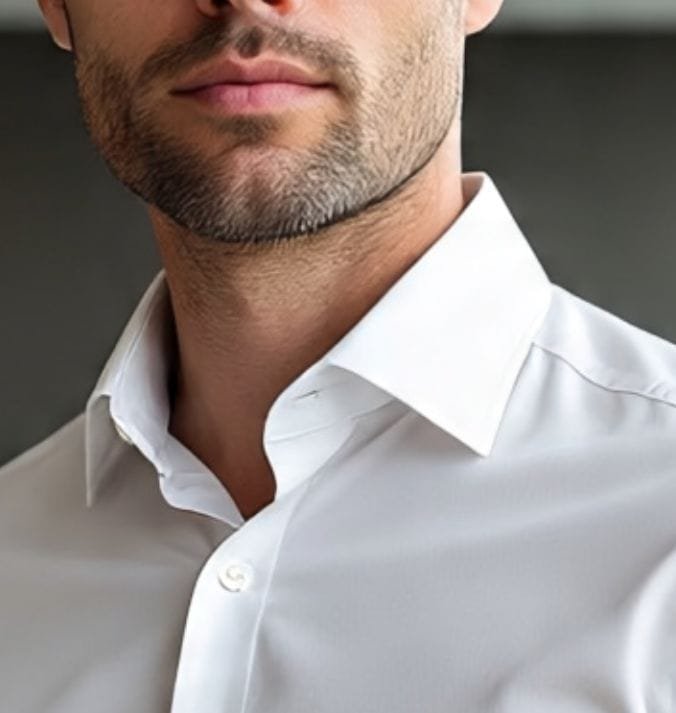
Spread, point, and button-down collars each give you a different level of formality.
When you choose the right collar, your tie sits properly, your jacket lies clean, and your shirt supports the message you want to send in any setting.
The Cuffs
The cuffs add personality and function to your dress shirt.
Barrel cuffs keep things simple for daily office wear, while French cuffs bring a formal touch when paired with cufflinks.
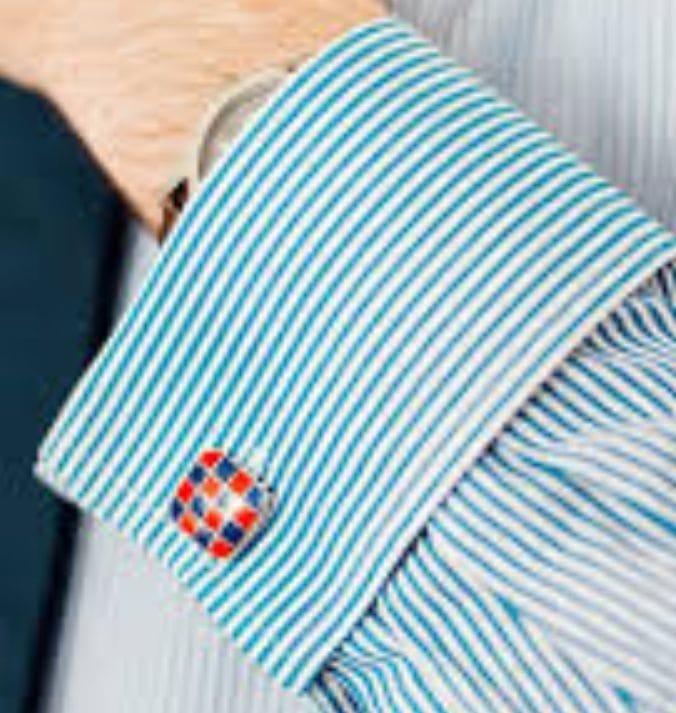
Convertible cuffs give you room to adjust based on the occasion.
Your cuff choice influences how your sleeves sit, how your watch shows, and how neat your outfit looks.
The Placket
The placket holds the buttons and keeps the shirt steady through movement.
A strong placket helps the shirt maintain shape throughout the day.
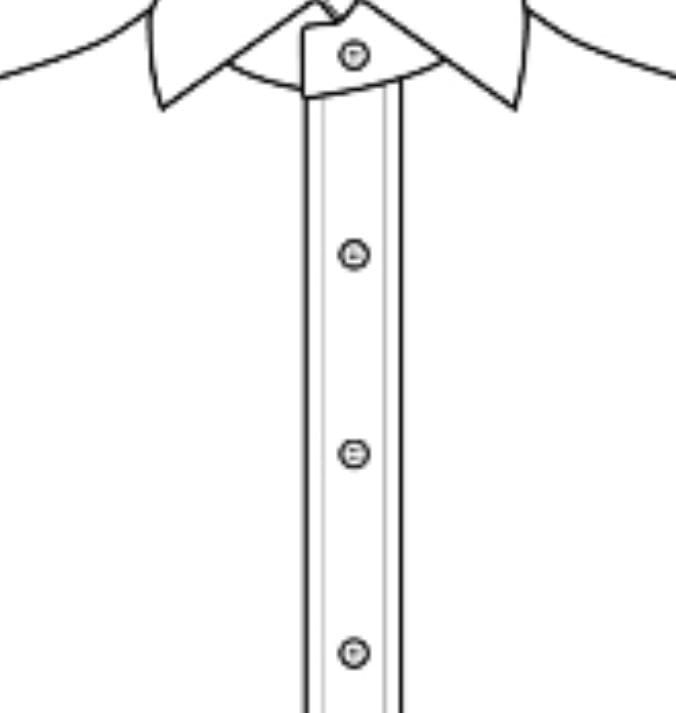
It keeps the front clean and prevents fabric from shifting or folding awkwardly.
You rely on it more than you realize because a crisp placket supports the polished look you expect from a dress shirt.
The Yoke
The yoke connects the back of the shirt to the shoulders and affects comfort and movement.
A well-built yoke lets you reach, stretch, and work without feeling restricted.
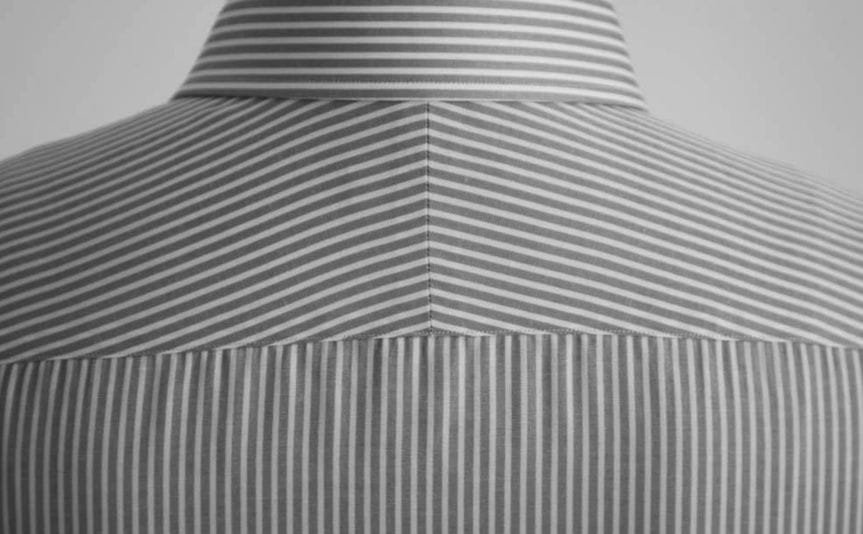
It also shapes the upper body and helps the shirt sit flat under a suit jacket.
When the yoke fits well, the entire shirt feels balanced.
Fit and Silhouette
The fit determines how sharp your dress shirt looks. A good dress shirt follows your natural lines without squeezing or looking loose.
You can choose slim, tailored, or regular fits based on what feels right for your body.
The correct fit keeps your outfit clean, supports your posture, and pairs smoothly with suits and dress pants.
Related Posts
The Cuban Collar Shirt Characteristics
Men’s T-shirts: Everything to Know
Why You Should Have a Denim Shirt
Types of Men’s Dress Shirts
Men’s dress shirts come in a variety of styles, each designed to suit different occasions, levels of formality, and personal preferences.
Choosing the right type ensures you look polished, feel comfortable, and match the tone of your event.
Formal Dress Shirt
A formal dress shirt is what you reach for during weddings, galas, and black tie events where presentation matters.
It has a polished structure with clean lines and a stiff front that helps it stay sharp under a tuxedo or formal suit.

You will notice details like a pleated bib or pique front, a wingtip or wide spread collar, and French cuffs that require cufflinks.
These details give the shirt a refined presence.
A formal dress shirt supports larger tie knots and bow ties, and its smooth fabric keeps your outfit balanced throughout long ceremonies and evening events.
Business Dress Shirt
A business dress shirt is the foundation of daily office wear and professional meetings.
You choose this type when you need a clean, dependable shirt that sits well under a suit or blazer.
It usually comes in neutral tones like white, light blue, or soft stripes because these colors keep your outfit focused and sharp.

The point or spread collar makes it easy to pair with regular tie knots, while barrel cuffs give you simplicity and comfort for long work hours.
This shirt helps you maintain a steady look that communicates attention to detail and respect for the environment you are in.
Semi Formal or Smart Dress Shirt
A semi-formal or smart dress shirt gives you flexibility for social gatherings, dinners, dates, and events that call for a polished look without strict formality.
You get a comfortable structure with more relaxed fabrics and subtle patterns that add personality to your outfit.

This shirt works well with blazers, chinos, tailored trousers, and even dark denim when styled properly.
The collar stays firm enough for a tie, but you can also wear it open for a softer look.
This type helps you move easily between casual and dressy settings while still keeping a refined appearance.
Tuxedo Shirt
A tuxedo shirt is designed specifically for pairing with a tuxedo during black tie events.
Its structure is more formal than a regular dress shirt and features details like a pleated or pique bib that adds depth to your chest area.
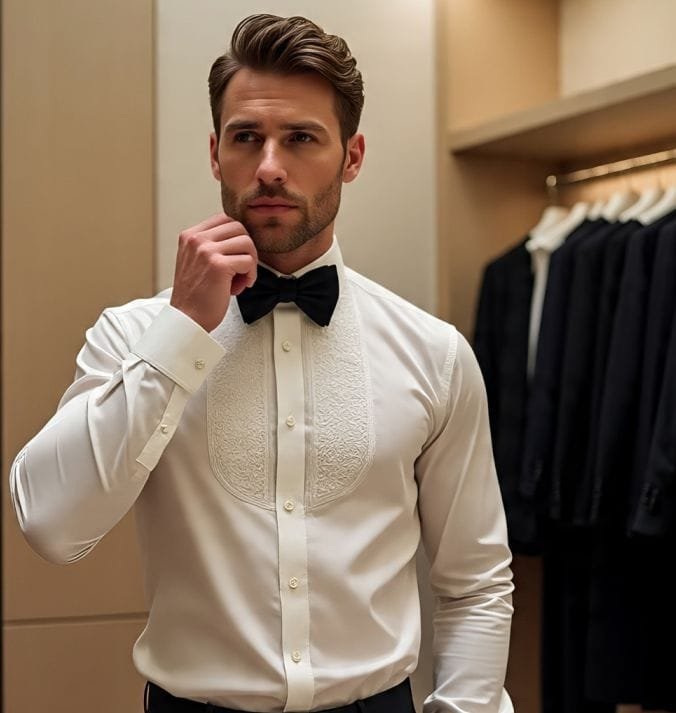
It usually includes French cuffs for cufflinks and a wing or spread collar to support a bow tie.
The fabric is smooth and crisp, helping your tuxedo jacket sit properly across your shoulders.
This shirt keeps your outfit balanced during formal ceremonies, photographs, and evening receptions where the dress code sets a high standard.
Button Down Dress Shirt
A button-down dress shirt brings a relaxed and preppy style to your wardrobe.
The collar tips fasten to the shirt, keeping the collar from moving while you walk or work.
This makes it a great choice for business casual settings, travel, and days when you want comfort without losing structure.
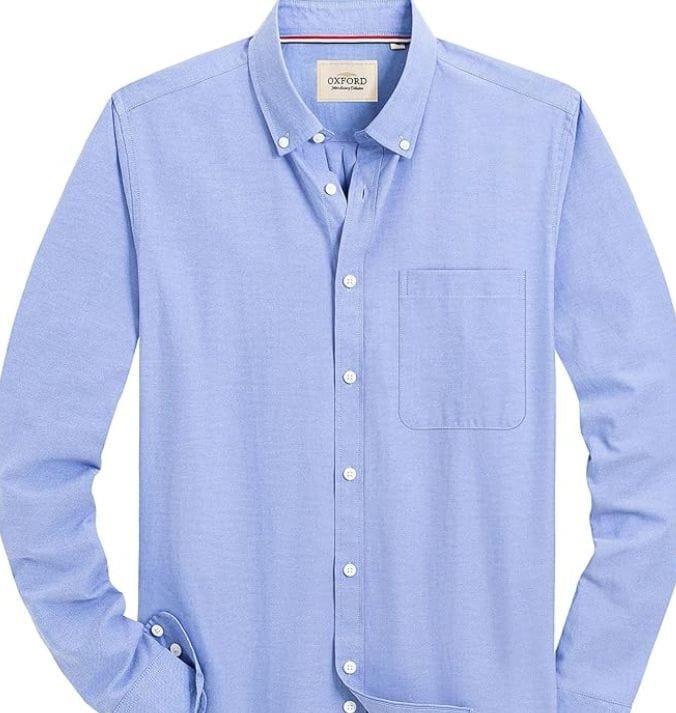
You can wear it with chinos, suits with soft shoulders, or sweaters.
The button-down collar supports an open neck look but can also take a tie when needed.
It helps you maintain a clean and approachable appearance in many settings.
Spread Collar Dress Shirt
A spread collar dress shirt gives you a wide collar opening that works well with medium to large tie knots.
You can wear it with structured suits to create a strong frame around your face.
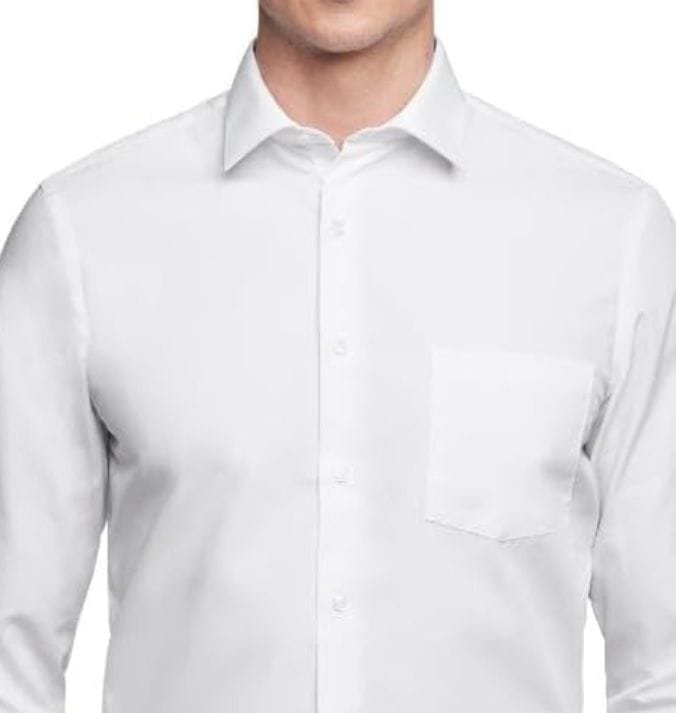
It helps balance broader features and adds presence during business meetings and formal events.
The collar stays in place and supports a polished appearance throughout the day.
It is a dependable style when you want a clear, confident finish.
Point Collar Dress Shirt
A point collar dress shirt brings a narrow collar shape that directs the eyes downward.
It works well with smaller tie knots and suits many professional settings where you want a clean, traditional look.
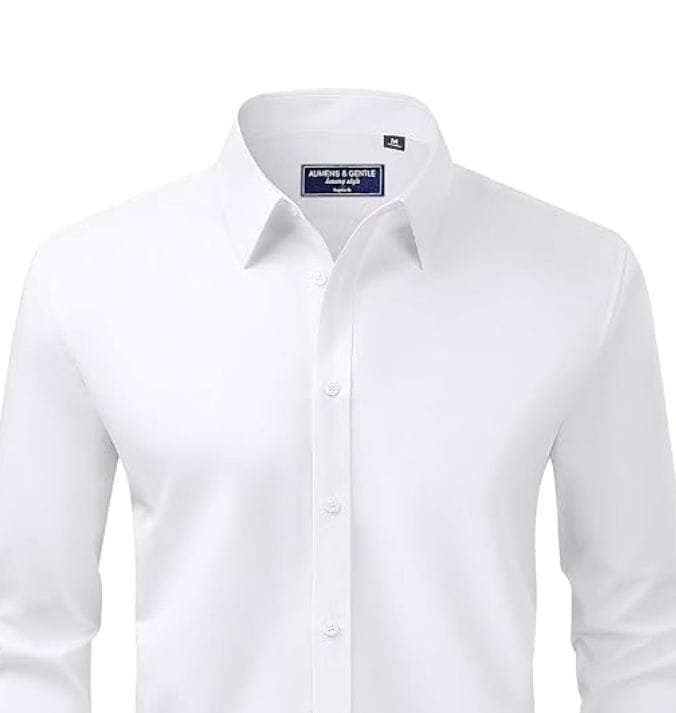
The collar shape complements most face types and pairs smoothly with business suits.
It is practical for long workdays because it keeps your tie centered and prevents the collar from spreading too wide.
You rely on this shirt when you want a steady and refined appearance.
Dress Shirt Fabrics and Weaves
You feel the difference in a dress shirt the moment you touch the fabric.
Each weave changes how the shirt looks, breathes, and performs in daily and formal settings.
Cotton Poplin
Cotton poplin gives you a smooth and clean surface that works well for business and formal wear.
Its plain weave keeps the fabric light and breathable, which helps you stay comfortable in warm weather or long workdays.
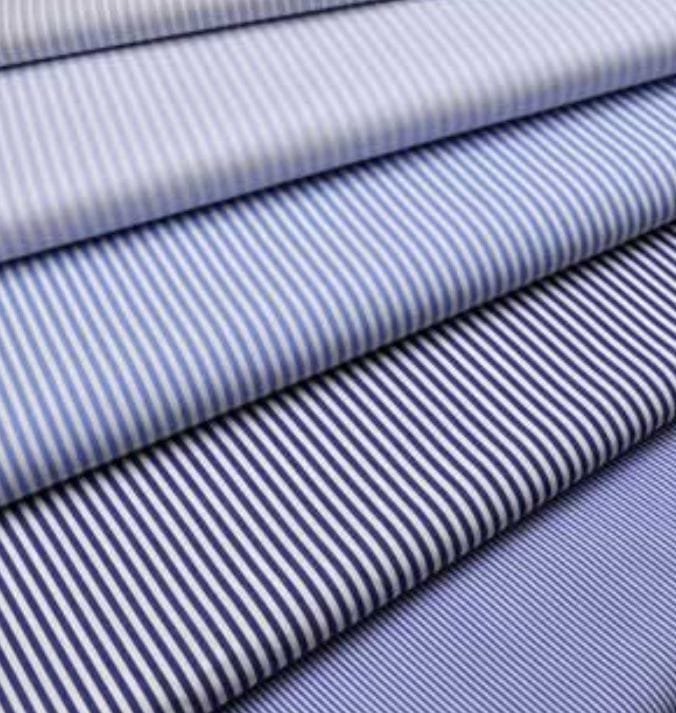
Poplin shirts also give you a crisp look that sits well under a suit jacket.
You get a neat finish without extra texture, making it a steady choice for office outfits and important meetings.
Twill
Twill gives your shirt a diagonal pattern that adds strength and structure.
You will notice that twill shirts resist wrinkles better and hold their shape during long hours.
The slightly heavier feel makes twill a dependable choice for cooler weather.
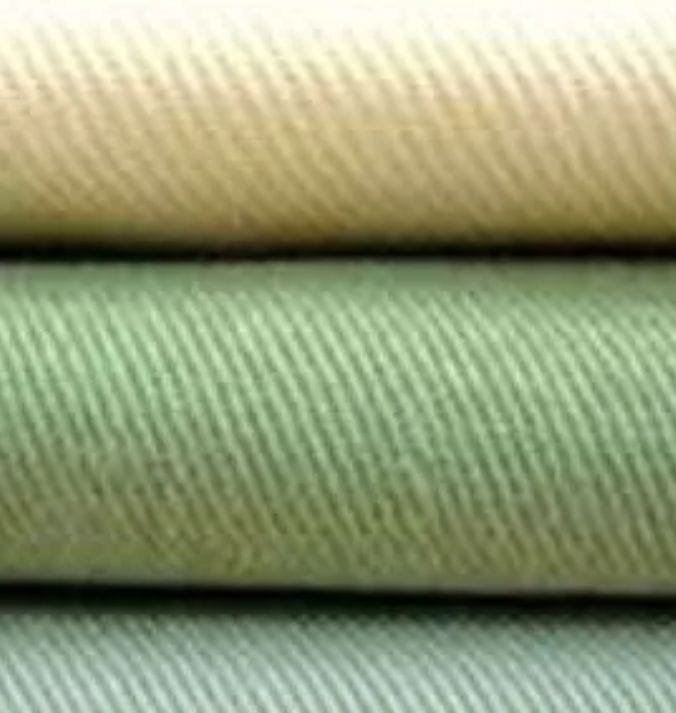
Its texture adds depth without taking away from the clean look you need in professional settings.
You get comfort, durability, and a shirt that stays presentable through movement.
Broadcloth
Broadcloth gives you a fine, tight weave that feels smooth on the skin.
It offers a polished finish that works well for business, weddings, and formal gatherings.
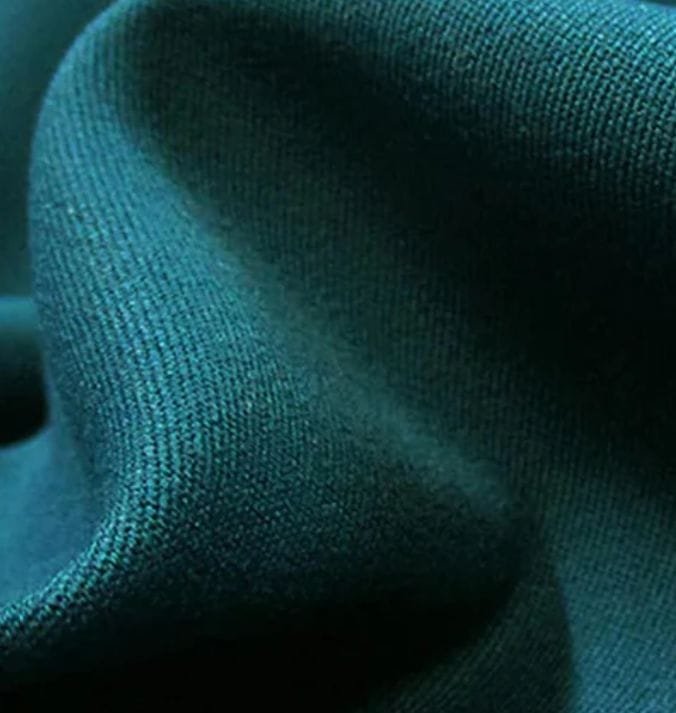
The fabric is light enough for warm climates but still holds a clean structure when layered under suits.
Broadcloth also highlights colors and patterns clearly, making it ideal if you prefer solid tones or thin stripes that stay sharp throughout the day.
Oxford
Oxford fabric uses a basket weave that creates a slightly textured feel.
It is thicker than poplin and broadcloth, giving you more comfort and structure.

You can wear an Oxford shirt for business casual settings, relaxed office days, or social outings.
It pairs well with blazers and chinos and can still fit into semi-formal environments when styled properly.
You get a smart and steady look without feeling dressed up.
Sateen
Sateen gives your dress shirt a soft surface with a natural shine.
The weave creates a smooth touch that drapes well on the body, making it suitable for evening events and special occasions.
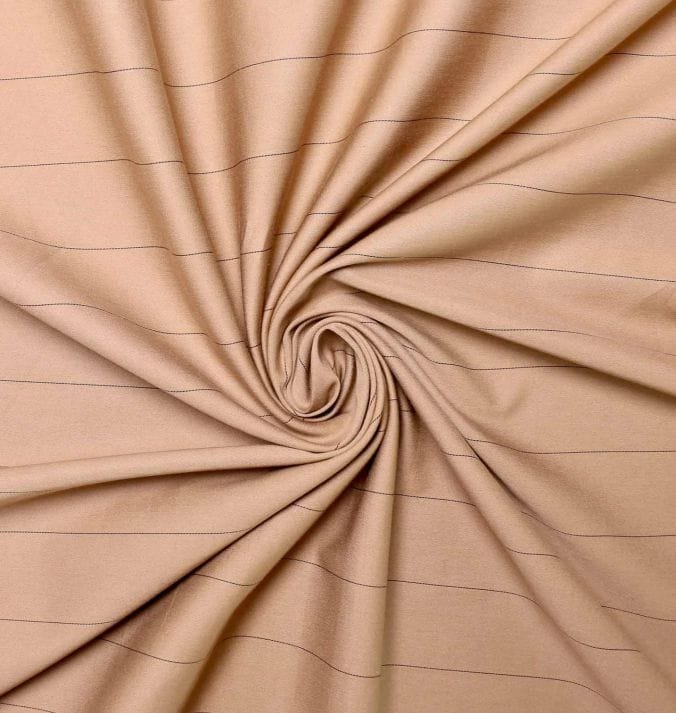
Sateen feels comfortable on the skin and gives your outfit a refined edge.
It may need gentle care to maintain its finish, but it rewards you with a clean and polished appearance that stands out at night events.
Linen
Linen keeps you cool in hot climates due to its open weave and high breathability.
It absorbs moisture quickly and allows more airflow than cotton.
Linen dress shirts work well for summer weddings, outdoor gatherings, and travel.
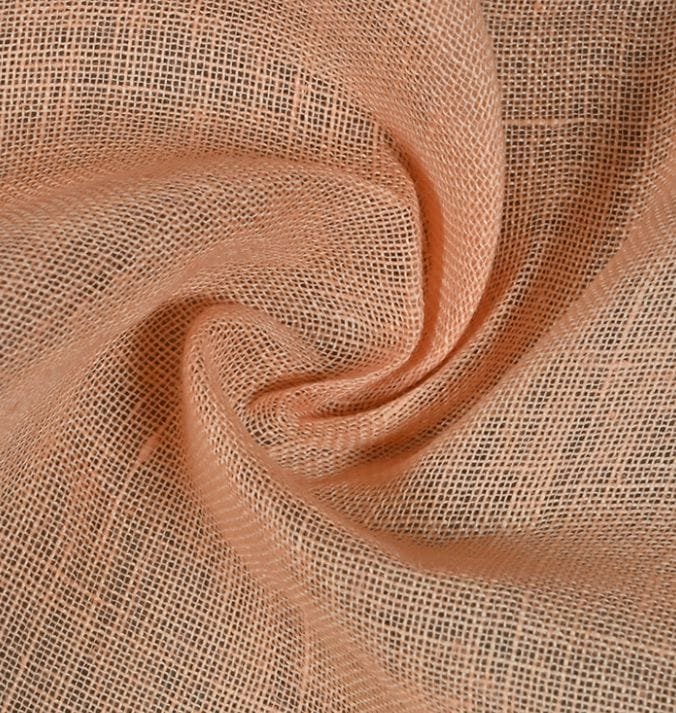
You get a relaxed but refined look that pairs nicely with light suits and tailored trousers.
It wrinkles easily, but the texture gives the shirt a natural charm suited for warm-weather styling.
Dress Shirts and Suits
Choosing the right dress shirt to wear with a men’s suit can change the way you look and feel.
The right pairing makes your outfit appear polished and well-balanced in business or formal settings.
Color Coordination
When matching shirts with suits, consider contrast and harmony.
Light-colored shirts like white or pale blue work well with darker suits, giving you a crisp, professional appearance.
You can also pair soft patterns with solid suits to add subtle personality.
Choosing colors carefully ensures your outfit looks intentional and stylish without clashing or appearing sloppy.
Collar and Lapel Pairing
Collar style matters when wearing a suit. Spread collars work well with structured jackets and wider lapels, creating a modern frame around your face.
Point collars and button-down collars suit traditional suits, keeping your look conservative yet sharp.
Matching collar and lapel proportions ensures your overall outfit stays balanced.
Tie and Suit Balance
Your tie connects the shirt and suit visually. A narrow tie suits slim lapels, while a wider tie works with broader lapels.
This balance keeps your chest area proportional and prevents your outfit from looking off.
The right tie width also allows your collar to sit correctly, maintaining a clean, professional line.
Texture Matching
Fabric texture impacts how your outfit feels and looks.
Smooth cotton shirts pair neatly with wool suits, while textured shirts like Oxford or chambray add interest with solid blazers.
Mixing textures carefully avoids clashing and gives your outfit dimension, helping you feel confident in both formal and semi-formal settings.
Occasion and Fit
Consider the event and your body shape when pairing shirts and suits.
Slim fits work well under tailored suits for a modern look, while regular fits provide comfort with classic jackets.
Choosing the right combination for work, meetings, or formal events ensures you look appropriate, polished, and comfortable.
How a Dress Shirt Should Fit
The fit of your dress shirt affects both how you feel and how you look.
A shirt that sits well on your body creates a sharp, polished appearance while remaining comfortable for all-day wear.
Neck Fit
The collar should sit comfortably around your neck, leaving space for one or two fingers.
This allows you to wear a tie without feeling restricted and prevents irritation during long hours.
A snug but not tight collar keeps the shirt aligned and frames your face correctly, giving your outfit a clean, structured finish.
Shoulder Fit
The shoulder seams should sit right at the edge of your shoulders.
This ensures the shirt moves naturally with your arms and maintains a tailored silhouette.
If the seams extend beyond your shoulders, the shirt looks oversized, while seams too far inward restrict movement and create a cramped appearance.
Chest Fit
Your dress shirt should follow the contours of your chest without pulling at the buttons or hanging loosely.
A proper chest fit creates a straight line from shoulder to waist, giving a balanced and neat appearance.
It also provides enough room for comfortable movement without compromising the shirt’s structured look.
Sleeve Length
Sleeves should reach your wrist bone and show about half an inch of cuff when your arms are relaxed.
This subtle detail complements a blazer or suit jacket and keeps your outfit proportional.
Correct sleeve length ensures comfort, avoids bunching, and adds a polished finish to your overall style.
Torso Fit
The torso should taper slightly at the waist to create a streamlined silhouette.
Too much fabric can look sloppy, while tightness can restrict movement and feel uncomfortable.
A well-fitted torso supports a modern, tailored look while allowing you to move freely, keeping your dress shirt functional and stylish.
Men’s Dress Shirts Color and Pattern Choices
The colors and patterns you choose for your dress shirts shape how others see you and influence your confidence.
Picking the right combination can make your outfit look sharp, balanced, and suitable for the occasion.
Solid Colors
Solid colors give you a clean, classic look that pairs easily with suits and ties.
White, light blue, and pale pink are reliable choices for professional and formal events.
These colors create a neutral foundation, allowing you to mix and match jackets, pants, and accessories without worrying about clashing.
A solid shirt gives your outfit a structured, polished presence that works for almost any setting.
Stripes
Stripes add subtle energy and structure to your dress shirt.
Fine stripes suggest a traditional business style, while wider stripes feel more relaxed.
Pinstripes are ideal for meetings and formal gatherings because they draw the eye vertically and create a refined silhouette.
You can combine stripes with solid suits or soft patterns for balance.
Checks
Check patterns like gingham or windowpane bring a casual yet polished look to your wardrobe.
They are excellent for business casual settings or social events where you want to appear put together without being too formal.
Choosing softer tones keeps the shirt understated, while bolder colors make a subtle statement without overpowering your outfit.
Color and Pattern Balance
Always match your shirt’s color and pattern to the event.
Formal occasions favor muted shades and minimal patterns, while casual settings allow for brighter colors and expressive designs.
Combining your shirt with complementary suits, ties, and accessories ensures your overall appearance is cohesive and confident.
Thoughtful choices help you maintain style and presence in every situation.
Styling a Dress Shirt for Different Occasions
Your dress shirt sets the tone for every occasion. Picking the right combination of fit, color, and accessories ensures you look confident, polished, and appropriate for any setting.
Professional Settings
In the office or for business meetings, a crisp, well-fitted dress shirt signals professionalism.
Light-colored shirts like white or pale blue pair well with dark trousers.
Adding a tailored blazer keeps your silhouette clean, while a classic tie and polished shoes complete a smart and reliable look that communicates competence and focus.
Formal Events
For weddings or formal gatherings, pair your dress shirt with a suit or tuxedo.
White or subtly patterned shirts maintain sophistication when combined with darker suit colors.
Cufflinks add refinement, and a matching tie or bow tie ties the outfit together.
Choosing a shirt that fits the dress code ensures your style looks intentional and respectful.
Semi-Formal Occasions
Semi-formal events allow you to introduce color and patterns while staying polished.
You can balance a bold shirt with neutral trousers or vice versa.
Accessories like watches, leather belts, or minimal jewelry help personalize your look.
The goal is to combine comfort with style, showing personality without stepping outside appropriate boundaries.
Casual Smart Settings
For casual or smart casual gatherings, you can experiment with rolled sleeves, open collars, or patterned shirts.
Pair them with chinos, dark jeans, or lightweight blazers.
These choices give you a relaxed yet put-together appearance, making it easy to transition between social and slightly formal settings while keeping your outfit approachable and stylish.
Accessorizing Your Shirt
Accessories complete your look. Ties, cufflinks, belts, and watches all influence how formal or casual your outfit reads.
Choose items that complement your shirt and suit, maintain proportions, and reflect your personal style.
Thoughtful accessories ensure your dress shirt works across multiple occasions and help you stand out with confidence.
Caring for Your Dress Shirts
Taking care of your dress shirts keeps them looking fresh and sharp while extending their life.
Proper washing, drying, ironing, and storage ensure your shirts stay crisp and presentable for any occasion.
Washing Tips
Always check the care label before washing your shirt.
Most cotton shirts do well in cold water with a gentle cycle, while delicate fabrics like silk or linen benefit from hand washing or a delicate machine cycle.
Separate colors to prevent bleeding, and consider using a mesh laundry bag for extra protection.
This careful approach keeps your shirt smooth and prevents shrinking or fabric damage.
Drying Methods
Air drying is the safest way to preserve your shirt’s structure and color.
If you use a dryer, select a low heat setting and remove the shirt while slightly damp.
This prevents excessive wrinkles and fabric stress. Proper drying ensures your shirt maintains its shape and stays ready for ironing or wearing.
Ironing and Steaming
Iron or steam your shirts while slightly damp for a crisp finish.
Pay attention to collars and cuffs, pressing firmly to create clean lines.
Adjust the iron’s temperature based on the fabric type to avoid scorching.
Steaming dry shirts also works well for removing wrinkles quickly without applying direct heat, keeping your shirt smooth and sharp.
Stain Removal
Act quickly when stains appear. Rinse the area with cold water and use a gentle detergent to dab the stain, avoiding rubbing that can damage fibers.
For persistent stains, professional cleaning may be necessary. Prompt attention ensures your shirt remains clean and maintains its original look.
Storage Techniques
Hanging your shirts on padded or wooden hangers helps them keep their shape and reduces creases.
If folding, do so carefully along natural seams to avoid wrinkles.
Proper storage preserves your shirts, making them ready to wear while keeping collars, cuffs, and fabric looking neat.
Common Dress Shirt Mistakes to Avoid
Even experienced dressers sometimes make errors that affect how their shirts look and feel.
Avoiding these mistakes ensures your dress shirts always look sharp and your outfit appears intentional.
Ignoring Fit
A shirt that does not fit your body can ruin your appearance.
Too loose, and it looks sloppy; too tight, and it restricts movement and feels uncomfortable.
Choose a fit that matches your body type, whether slim, regular, or relaxed, to maintain a clean silhouette and comfortable wear throughout the day.
Poor Collar and Tie Pairing
Collar and tie combinations can make or break your outfit.
A wide collar looks awkward with a narrow tie, and a slim tie does not suit a wide collar.
Experiment with different combinations to find what complements your shirt and suit, keeping proportions balanced and your look cohesive.
Busy Patterns and Colors
Overly bold patterns or clashing colors can distract and appear unprofessional.
Subtle stripes, checks, or solid tones work well in formal settings and business environments.
Choosing patterns carefully ensures your shirt complements your suit, jacket, and accessories while maintaining a polished and refined appearance.
Low Quality Fabric
Shirts made from cheap fabrics wear out quickly and lose their shape.
Breathable, durable materials like high-quality cotton maintain comfort, structure, and longevity.
Investing in well-made shirts keeps your wardrobe looking fresh, prevents sagging or fading, and ensures your dress shirts remain stylish for years.
Improper Sleeve Length
Wearing a shirt with sleeves that are too long or too short disrupts the overall balance of your outfit.
Sleeves should reach the wrist bone and show a small portion of the cuff under a jacket.
Correct sleeve length keeps your shirt proportional, professional, and comfortable during movement.
Neglecting Care
Skipping proper washing, ironing, or storage can damage your shirts and make them appear worn.
Follow fabric instructions, use appropriate heat settings, and store shirts properly on hangers.
Well-maintained shirts look crisp, last longer, and consistently support a sharp, put-together appearance.
How to Choose the Right Dress Shirt
Finding the right dress shirt ensures you look confident, polished, and comfortable.
Considering fit, fabric, collar, and occasion helps you select a shirt that suits both your body and personal style.
Choosing the Right Fit
The fit of a dress shirt defines your silhouette.
Slim fits create a modern, tailored look, while regular fits offer more room for broader frames.
Relaxed fits prioritize comfort without sacrificing style.
Try on different cuts to see which feels right for your body and daily activities, balancing movement and appearance.
Selecting the Fabric
Fabric affects both comfort and durability. Cotton is breathable and soft, making it ideal for long hours, while polyester resists wrinkles and requires less maintenance.
Blends combine qualities of both.
Investing in high-quality fabric ensures the shirt maintains its shape, color, and texture through repeated wear and washing.
Picking the Collar Type
Collar style shapes the overall look of your shirt.
Spread collars work with wide tie knots for formal occasions, while point collars are versatile for business settings.
Button-down collars give a more relaxed appearance, perfect for casual or semi-formal occasions.
Match the collar to the setting and the tie style.
Considering Colors and Patterns
Your shirt color and pattern influence how it pairs with suits and accessories.
Solids like white or light blue are safe for formal events, while subtle stripes or checks can add personality in business casual settings.
Choosing the right combination ensures your outfit looks intentional and balanced.
Budget and Tailoring
Consider your budget and potential need for tailoring.
Custom or tailored shirts guarantee a precise fit, while ready-to-wear options can work with minor adjustments.
Prioritizing quality and fit over quantity helps you maintain a stylish wardrobe that feels comfortable and looks sharp in any setting.
Conclusion
Men’s dress shirts do more than cover your torso; they shape how you present yourself in every setting.
The right shirt conveys confidence, attention to detail, and professionalism.
From collar style to fabric choice, each element influences how you feel and how others perceive you.
Investing time in selecting well-fitting, high-quality shirts allows you to move comfortably while maintaining a sharp look.
Paying attention to patterns, colors, and textures ensures your outfit appears balanced and cohesive.
With proper care and thoughtful combinations, your dress shirts become reliable tools for looking polished, supporting both formal and casual wardrobes, and helping you face every occasion with confidence.
Frequently Asked Questions
What is the difference between a formal and a business dress shirt?
A formal dress shirt has structured fabric, French cuffs, and wider collars, while business shirts are simpler, lighter, and designed for daily office wear.
How should a dress shirt fit across the shoulders and chest?
The shoulder seams should sit at your natural shoulder edge, and the chest should allow movement without pulling at buttons or creating loose fabric.
Which fabrics are best for men’s dress shirts?
Cotton is breathable and comfortable, polyester resists wrinkles, and blends combine durability with softness, suitable for work, events, and extended wear.
How do I choose the right collar for my dress shirt?
Spread collars support larger tie knots for formal occasions, point collars suit business settings, and button-down collars work well for casual or smart casual looks.
References

Pyo Merez is a men’s lifestyle enthusiast and writer about the gentleman’s place and impact on society. Raised by a distinguished gentleman dad, he offers unique insights into how the mind of a gentleman works and how societal norms shape gentlemen’s identity and vice versa.
Through his insightful articles, Pyo taps into the depths of gentleman culture to provide perspectives on etiquette and manners in modern society.