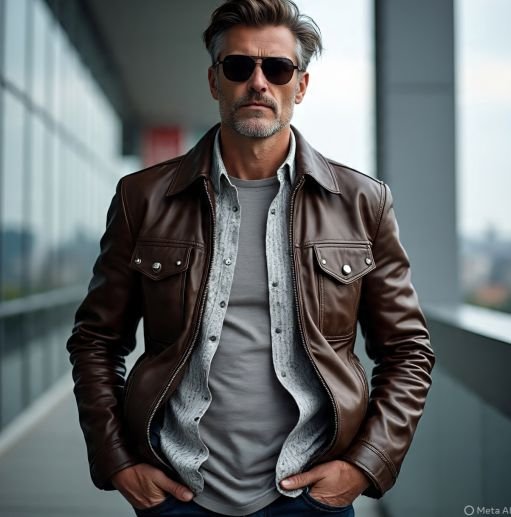
Layering tips for men over 50 without looking bulky help you stay stylish, comfortable, and confident using smart textures and proportions.
Layering for older men can change the way you feel in your clothes, adding warmth, comfort, and style without feeling heavy or bulky.
Choosing the right pieces and understanding proportions helps maintain a sharp silhouette, letting you move with ease and confidence.
You can mix textures, lengths, and fabrics to keep outfits interesting, while keeping the overall look balanced and streamlined.
Many men worry about adding extra weight or looking bulky, but small adjustments in fit and layering order make a big difference.
In this guide, you will find practical tips to layer effectively, combine wardrobe staples, and wear multiple pieces without sacrificing shape or comfort.
Table of Contents
An Overview of Layering in Men’s Fashion
Layering in men’s fashion combines warmth, comfort, and style while maintaining a balanced silhouette.
Slim base layers, lightweight mid layers, and tailored outerwear prevent bulk, while thoughtful colors, patterns, textures, and accessories add depth.
Proper fit, proportion, and layering order help older men look polished, confident, and modern without sacrificing movement or elegance.
Start With Slim Base Layers
Building outfits that look sharp and feel comfortable begins with the base layer.
A slim, breathable foundation keeps your silhouette clean, adds warmth without weight, and lets every other layer fall naturally over your body.
Choosing the right fabrics sets the tone for layering after 50, keeping proportions balanced and preventing a bulky appearance.
Importance of Fitted, Breathable Fabrics for a Flattering Foundation
Fitted base layers hug your body without clinging, letting movement feel natural and smooth.
Breathable fabrics pull moisture away and regulate temperature, so sweaters, jackets, and vests sit well on top.
Loose or boxy shirts create unnecessary bulk, while slim cuts highlight your frame without adding extra weight.
Recommended Materials: Merino Wool, Lightweight Cotton, Thin Knits
Merino wool works year-round, offering warmth without heaviness, and resists odors during long wear.
Lightweight cotton feels soft against your skin and keeps air flowing.
Thin knits add texture under jackets or overshirts without stretching your silhouette, making layering flexible and effortless.
Avoiding Bulk: Stick to Slim Cuts, Avoid Thick T-Shirts Under Sweaters
Thick T-shirts and oversized tops push out layers above, creating an uneven, heavy look.
Slim cuts keep each piece aligned with your natural shape, letting jackets and cardigans drape properly.
Focus on proportion first, then color and texture, so layering feels intentional and polished without extra weight.
Mid Layers for Men Over 50: Warmth Without Bulk
Adding warmth while staying sleek relies on mid layers that support your silhouette without adding weight.
Lightweight sweaters, cardigans, and unstructured jackets give insulation while allowing movement and airflow.
Choosing thinner fabrics ensures warmth without volume, letting each piece sit naturally under outerwear.
Layering strategically means placing these mid layers under structured jackets or blazers so shoulders and torso remain sharp.
Patterns, textures, and subtle colors can add depth, keeping outfits interesting while maintaining balance.
Avoid heavy knits or thick materials that push out layers above, creating bulk.
Focus on proportion and fit, letting each layer complement your frame.
With careful selection and placement, mid layers provide comfort, polish, and flexibility, helping you stay stylish and confident without compromising shape or movement.
Related Posts
Best Denim Styles for Men Over 60
Corporate Fashion for Older Men Over 50
Comfortable Everyday Fashion for Gentlemen Over 50
How a 65-Year-Old Man Can Up His Dress Style
Must-Have Wardrobe Essentials for Older Men Over 50
Stylish Casual Outfits for Men Over 50
Outer Layers That Flatter Older Men
Choosing the right outerwear shapes how every outfit looks and feels.
Tailored coats, semi-fitted jackets, and carefully selected fabrics keep your silhouette sharp, proportioned, and comfortable without adding unnecessary bulk.
How Coat and Jacket Structure Affects Silhouette
Structured coats and jackets frame your shoulders and chest, giving posture and definition while supporting the layers underneath.
Proper construction prevents sagging or excess fabric, keeping your torso slim and balanced, making each outfit appear intentional and refined.
Avoid Oversized or Boxy Outerwear
Oversized or boxy jackets create heaviness and disrupt proportions, pushing layers outward.
Semi-fitted or tailored cuts follow natural lines, letting movement feel easy while preserving a streamlined appearance, ensuring every layer beneath sits neatly and your overall shape remains flattering.
Recommended Fabrics
Lightweight wool and cashmere blends offer warmth without stiffness or weight, allowing layers to fall naturally.
Unpadded jackets reduce bulk, keeping your shoulders defined and letting each piece complement your mid and base layers effortlessly.
Proportions and Fit
As your body changes, layering can highlight or hide certain areas, so choosing proportions carefully keeps outfits flattering.
Muscle tone may soften, or the midsection may expand slightly, and layers should compensate rather than exaggerate.
Vertical lines, longer outer layers, and sleeves that follow your arms help maintain balance.
Tailored jackets and cardigans frame the torso, letting each layer fall naturally while avoiding a boxy or heavy look.
Mixing textures and subtle patterns can add depth without adding bulk.
Focusing on fit ensures comfort and confidence, letting you move freely while staying sharp.
Layering with attention to silhouette allows warmth and style without losing elegance, keeping every outfit proportioned, polished, and effortless.
Colors, Patterns, and Textures for Older Men
Layering after 50 can feel tricky if your frame has changed, but the right colors, patterns, and textures make outfits flattering, balanced, and interesting.
Thoughtful choices can slim the torso, add depth, and highlight areas you want, keeping every outfit polished for older men.
Darker Shades for Slimming Effect, Lighter Accents for Interest
Older men benefit from darker shades on jackets, coats, and sweaters to create a slimming effect, while lighter accents on collars, scarves, or cuffs draw attention without adding bulk, keeping your look sharp.
Patterns: Subtle Stripes, Checks, or Textures to Add Depth Without Bulk
Small stripes, muted checks, or subtle textures help older men add character to outfits.
Bold or oversized patterns can exaggerate width, so stick to designs that maintain a clean silhouette.
Mixing Textures Strategically to Keep the Outfit Visually Interesting
Combining soft wools, thin knits, and smooth cottons adds dimension for men over 50.
Mixing textures thoughtfully keeps layered outfits engaging while avoiding a heavy, bulky appearance.
Accessories for Men Over 50
Accessories add personality, polish, and function to layered outfits for older men.
When chosen thoughtfully, scarves, belts, and hats keep looks balanced while highlighting your best features without adding bulk.
Scarves, Belts, and Hats as Functional and Stylish Layering Tools
Scarves provide warmth and texture, belts define the waist without squeezing, and hats frame the face while protecting from the weather.
Using these tools wisely keeps layering practical, comfortable, and visually appealing for men over 50.
Keep Accessories Proportional and Classic to Avoid Looking Busy
Older men benefit from classic designs and proportional sizes.
Narrow belts, medium-width scarves, and structured hats maintain balance, preventing accessories from overwhelming layered outfits or making the silhouette appear heavy.
Use Accessories to Draw Attention to Your Face and Shoulders, Not Midsection
Position scarves around the neck, hats on the head, and pocket squares near the chest.
These placements guide the eye upward, highlighting your face and shoulders, keeping your torso slim and your look polished.
Layering Combinations for Older Men
Layering for men over 50 is about balance, proportion, and style.
Combining pieces thoughtfully lets outfits feel effortless, polished, and appropriate for casual, smart casual, or evening settings, while keeping your silhouette slim and flattering.
Casual: Thin T-Shirt + Lightweight Sweater + Unstructured Jacket
For everyday wear, pair a thin cotton T-shirt with a lightweight wool or knit sweater and an unstructured jacket.
Older men benefit from slim fits and softer fabrics, keeping movement easy, layers balanced, and the overall look clean without appearing bulky.
Smart Casual: Button-Down + Merino Sweater + Tailored Blazer
Combine a crisp button-down shirt with a merino wool sweater and a tailored blazer for refined smart casual outfits.
Subtle textures, complementary colors, and proper fit let men over 50 appear stylish, confident, and proportioned without adding unnecessary weight.
Evening or Formal: Thin Dress Shirt + Cardigan + Semi-Fitted Coat
Layer a thin dress shirt under a fine-knit cardigan and a semi-fitted coat for evening occasions.
Maintaining slim cuts and coordinating colors helps older men keep a sharp, elegant silhouette while staying comfortable in multiple layers.
Tips on Matching Colors and Textures for a Sleek Look
Mixing textures and keeping a balanced color palette adds dimension for men over 50.
Lighter accents can highlight the face, while darker base layers slim the torso, creating outfits that feel intentional, cohesive, and polished.
Common Layering Mistakes Older Men Make
Layering can improve style and comfort for men over 50, but small missteps often add bulk, disrupt proportions, or create a heavy look.
Recognizing these mistakes helps older men dress sharp, polished, and confident without sacrificing warmth.
Too Many Bulky Layers That Add Unnecessary Weight
Stacking thick sweaters, heavy jackets, or padded pieces can overwhelm older men’s frames.
Excess bulk pushes shoulders outward and hides natural shape, making layering feel cumbersome rather than stylish, so slimmer, lighter pieces work best for a balanced silhouette.
Wearing Baggy Clothes Under the Pretense of Comfort
Loose or oversized garments may feel comfortable, but often exaggerate width in men over 50.
Choosing properly fitted clothing allows ease of movement without creating a shapeless, heavy appearance, keeping layers flattering and proportional.
Clashing Patterns or Textures That Exaggerate Shape
Mixing large patterns, bold stripes, or mismatched textures can make older men look wider than they are.
Layering works best with subtle contrasts and complementary textures, letting outfits appear intentional, visually interesting, and refined without adding visual bulk.
Conclusion
Layering tips for men over 50 without looking bulky help you stay stylish, comfortable, and confident.
Thoughtful combinations of base, mid, and outer layers, paired with colors, textures, and accessories, maintain a balanced silhouette.
Slim cuts, proportionate fabrics, and tailored outerwear ensure warmth and polish without adding weight.
Attention to fit, vertical lines, and subtle patterns lets you move naturally while projecting confidence.
Accessories can highlight your face and shoulders, completing the look.
By avoiding common mistakes like bulky stacks, baggy pieces, or clashing textures, layering becomes practical and flattering.
Applying these strategies transforms everyday outfits into effortless ensembles that suit casual, smart casual, and formal settings, keeping your style sharp, modern, and refined at 50 and beyond.
Frequently Asked Questions
What fabrics work best for layering after 50?
Merino wool, lightweight cotton, and thin knits provide warmth, breathability, and flexibility for older men, keeping layers slim, comfortable, and easy to combine without adding bulk.
How can I prevent layering from looking bulky?
Stick to slim base layers, thinner mid layers, and tailored outerwear. Avoid oversized garments and heavy fabrics to maintain a balanced, flattering silhouette over 50.
How should older men mix colors, patterns, and textures?
Use darker shades for slimming, lighter accents for focus, subtle patterns like stripes or checks, and contrasting textures to add depth without overwhelming your frame.
What accessories work best for men over 50?
Classic scarves, belts, and hats enhance style and function. Keep proportions moderate and place pieces near the face and shoulders to draw attention upward, not to the midsection.
References
- The Art of Layering: The Ultimate Men’s Styling Trick
- How to Layer Better, According to a Layering Genius

Pyo Merez is a men’s lifestyle enthusiast and writer about the gentleman’s place and impact on society. Raised by a distinguished gentleman dad, he offers unique insights into how the mind of a gentleman works and how societal norms shape gentlemen’s identity and vice versa.
Through his insightful articles, Pyo taps into the depths of gentleman culture to provide perspectives on etiquette and manners in modern society.