
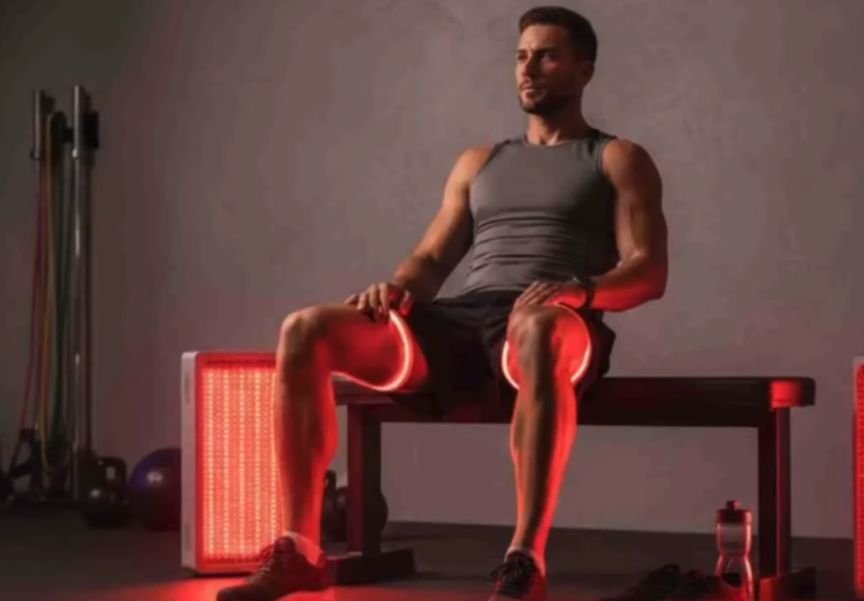
Red light therapy can speed muscle recovery, reduce soreness, and support repair after intense workouts, but results depend on proper timing, distance, and device choice, especially for athletes using photobiomodulation to manage DOMS and improve performance.
Muscle recovery is no longer limited to ice baths or pain relievers, as red light therapy has moved from elite training facilities into home routines and personal recovery setups.
Known as photobiomodulation, this method uses targeted light wavelengths to support cellular repair, circulation, and muscle recovery, going far beyond simple heat or surface treatment.
Athletes now use it to manage soreness, reduce downtime, and stay consistent with training.
This guide explains how red light therapy works, why it’s gaining ground as a recovery tool, and how to use it effectively for muscle repair and performance support.
Table of Contents
What is Red Light Therapy?
Red light therapy is a non-invasive treatment that uses low-level red and near-infrared light to stimulate cellular activity in the body. It works by reaching the mitochondria in cells, helping increase energy production and supporting natural repair functions.
It is commonly used for muscle recovery, pain relief, skin health, and reducing inflammation.
Unlike heat or UV-based treatments, it does not damage tissue. Instead, it supports healing from within by improving circulation and oxygen flow.
The Science: How Red Light Heals Muscle Tissue
Here is how it achieves the results:
Mitochondrial Energy
Red and near-infrared light, commonly around 660nm and 850nm, penetrates skin and reaches muscle tissue.
These wavelengths stimulate mitochondria, the cell’s energy centers, increasing ATP production.
Higher ATP levels support faster muscle repair, better recovery after workouts, and improved cellular performance during physical stress and repeated training sessions.
Inflammation Control
After intense exercise, muscle fibers experience stress that leads to soreness and stiffness.
Red light therapy helps reduce oxidative stress by supporting cellular balance and calming inflammatory responses.
This process can ease delayed onset muscle soreness, making recovery feel smoother and helping maintain comfort between training sessions.
Blood Flow Support
Red light therapy promotes vasodilation, allowing blood vessels to expand and improve circulation in targeted areas.
Better blood flow delivers oxygen, amino acids, and nutrients to damaged muscle fibers.
This supports repair, reduces stiffness, and helps clear metabolic waste, contributing to faster recovery and improved muscle function.
Recommended
5 Nutrition Pillars for Maintaining Muscle After 40
Natural Ways to Boost Testosterone
Guide to Men’s Fitness Lifestyle
When to Use It: Pre-Workout vs. Post-Workout
Timing changes how red light therapy supports performance and recovery, with different benefits before training and after exercise, helping you choose the best approach based on your fitness goals.
Pre-Workout Use
Using red light therapy before exercise helps prepare muscle tissue by boosting cellular energy and improving circulation.
This preconditioning effect can support endurance, reduce early fatigue, and lower the chance of strain during intense training sessions or repeated physical effort.
Post-Workout Recovery
Applying red light therapy after training focuses on repair and soreness reduction.
It helps calm inflammation, ease muscle stiffness, and support faster recovery.
This approach is useful after heavy workouts, helping you feel less tight and more ready for the next session.
Best Timing Choice
Current research and athletic use show that post-workout sessions deliver stronger recovery benefits, especially for soreness and repair.
Pre-workout use supports performance, but post-exercise timing gives better overall return when recovery and muscle repair are your main focus.
Step-by-Step Guide: How to Use RLT Correctly
Using red light therapy the right way improves results, from better muscle recovery to reduced soreness, with simple steps that focus on skin prep, correct distance, proper timing, and consistent use.
Skin Preparation
Clean skin allows better light absorption during red light therapy sessions. Sweat, oils, or heavy lotions can block light penetration.
Wear minimal clothing on the target area so the wavelengths reach muscle tissue directly for more effective photobiomodulation and improved recovery support.
Distance and Position
Position the device at a safe and effective range, usually about 6 to 12 inches from the skin.
This distance helps deliver proper light intensity without reducing exposure.
Keeping a steady position ensures even coverage across the targeted muscle group during each session.
Session Duration
Keep each session within 10 to 20 minutes per muscle group for balanced exposure.
Short sessions may limit results, while longer sessions do not always improve outcomes.
Staying within this range supports steady energy production and muscle recovery without overexposure to light.
Weekly Frequency
Consistency matters more than long sessions. Using red light therapy about 3 to 5 times per week helps maintain steady recovery support.
Regular exposure allows cumulative benefits, improving muscle repair, reducing soreness, and supporting performance without placing extra stress on the body.
Target Areas: Best Practices for Common Muscle Groups
Targeting the right muscle groups with red light therapy improves recovery results, helping you apply the correct technique for large areas, smaller joints, and combined recovery routines.
Large Muscle Groups
Quads, hamstrings, and back muscles respond well to full-body red light panels. Stand or position yourself so the light covers a wide area evenly.
Keep a steady distance to ensure proper exposure, allowing deeper penetration into larger muscle groups for better circulation and faster post-workout recovery.
Joints and Small Muscles
Knees, elbows, and forearms need more focused application.
Portable or wrap-style red light devices work better for these areas, allowing closer contact and targeted exposure.
This helps support joint comfort, reduce stiffness, and improve localized recovery where full panels may not reach effectively.
Recovery Stacks
Combining red light therapy with tools like percussion massagers or compression boots can improve recovery results.
This approach supports muscle relaxation, circulation, and waste removal.
Using multiple methods together creates a more complete recovery routine, helping you feel less sore and more prepared for the next workout.
Choosing the Right Gear in 2026
Picking the right red light therapy device affects how well you recover, with factors like wavelength accuracy, power output, and device type shaping results, comfort, and ease of use.
Wavelength Precision
Devices that use 660nm red light and 850nm near-infrared light deliver the most reliable results for muscle recovery.
These wavelengths reach both surface tissue and deeper muscle layers, supporting cellular energy, circulation, and repair processes used in photobiomodulation routines.
Irradiance and Power
Light intensity determines how deeply the therapy reaches muscle tissue.
Low-quality or cheap devices may look bright but lack the power needed for real penetration.
Higher irradiance ensures the light reaches deeper layers, supporting better muscle repair and reducing soreness after workouts.
Device Types
Full panels suit large muscle groups and home setups, while wraps work well for joints and targeted areas like knees or elbows.
Handheld devices offer flexibility for small spots.
Choosing the right type depends on your routine, space, and how often you plan to use red light therapy.
Safety, Side Effects, and Eye Protection
Red light therapy is generally well tolerated, but safe use depends on protecting the eyes, knowing when to avoid treatment, and following proper dosing to prevent unwanted effects.
Eye Safety
Strong red and near-infrared light can strain the eyes during facial or upper body sessions.
Blackout goggles help block direct exposure, while keeping eyes closed adds extra protection.
This step matters most when using high-power panels or working close to the light source during photobiomodulation sessions.
Contraindications
Certain conditions require caution or avoidance of red light therapy.
These include active cancer, pregnancy, and the use of light-sensitive medications.
In these cases, medical advice is important before starting, since light exposure may interact with underlying conditions or treatment plans in ways that need supervision.
Overdosing Myth
More exposure does not equal better results in red light therapy. Muscles respond best to controlled doses within recommended time limits.
Excessive sessions can reduce effectiveness, making consistency and proper timing more important than longer or more frequent use for muscle recovery and performance support.
Conclusion
Red light therapy has become a practical tool for muscle recovery, moving from elite training rooms into everyday fitness routines.
Using photobiomodulation correctly supports faster repair, reduced soreness, and improved training consistency when timing, distance, and device choice are managed well.
Athletes now rely on it alongside modern recovery methods to maintain performance without relying only on ice baths or pain relievers.
Building it into a routine helps support long-term muscle health, steady energy, and better recovery habits, especially when paired with proper training, rest, and nutrition for a balanced fitness lifestyle.
Frequently Asked Questions
What is the best time to use red light therapy for muscle recovery?
Post-workout sessions give better recovery results by reducing soreness, supporting tissue repair, and improving circulation after training when muscles need healing most.
How long should each red light therapy session last?
Most muscle recovery sessions work best between 10 and 20 minutes per muscle group, depending on device strength, distance, and treatment area size.
Can red light therapy help with delayed onset muscle soreness?
Yes, photobiomodulation may reduce DOMS by supporting cellular energy production, lowering inflammation, and improving blood flow to tired or stressed muscles.
Is daily red light therapy safe for athletes?
Daily use can be safe when sessions follow proper timing and dosage guidelines, but consistency and moderate frequency give better recovery results than overuse.
References

Pyo Merez is a 45-yeard old husband, father, and a chemical engineer by profession and the founder of Gentsways, a men’s lifestyle site built in honour of his father, Dee Clement. He has been writing about men’s development, style, and character through his father’s lens since 2021, drawing on lived experience, his father’s example, and research from reputable publications. He is not a certified trainer or therapist; where fitness or health topics require it, articles are reviewed by qualified contributors.