
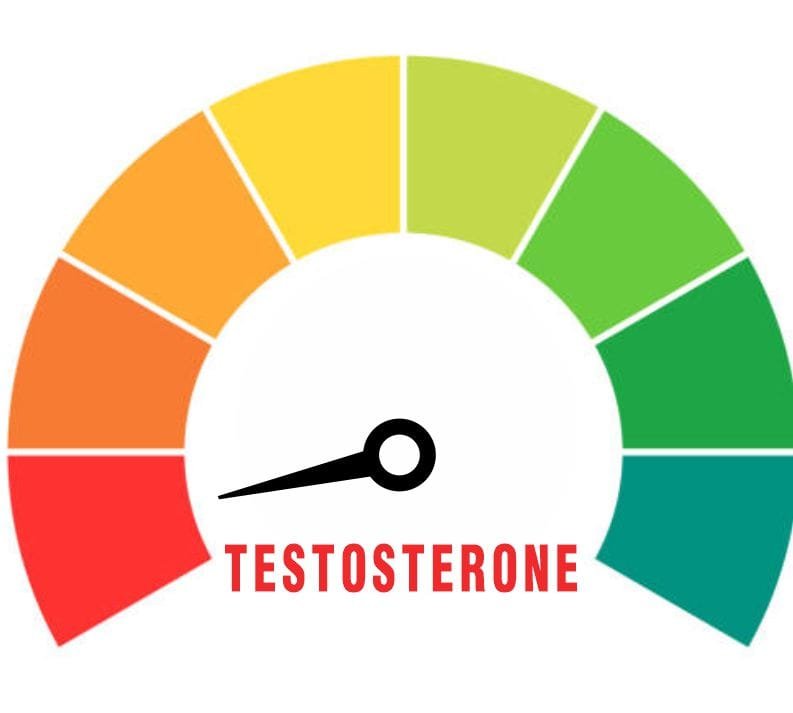
The dangers of low testosterone in men can weaken your body, drain your confidence, and create health problems you may not notice early.
Low testosterone can place your health at risk in ways you may not expect.
You might notice small changes at first, but the real danger comes from how this hormone affects your muscles, bones, heart, mood, and daily performance.
When levels drop, your body becomes more vulnerable to weight gain, weak bones, heart problems, low energy, and emotional changes that make life feel heavier than it should.
These consequences build slowly and can impact your confidence, your relationships, and your long-term wellbeing.
Paying attention to these risks gives you the chance to take control before the damage expands.
If you want to understand what low testosterone can do to your body, this guide walks you through the dangers you should never ignore.
Are you new to the testosterone discussion? Start from the beginning.
How Low Testosterone Impacts Your Body
Low testosterone exposes your body to physical changes that affect your strength, bone health, metabolism, and daily performance.
You may feel the impact slowly, but the risks grow when you ignore the decline.
Muscle Weakness and Loss of Strength
Low testosterone affects how your muscles grow and recover.
You may notice your strength fading, workouts feeling harder, and daily tasks taking more effort.
This decline can push you into a slower and less active routine.
With reduced muscle mass, your joints carry more pressure, and fatigue becomes a normal part of your day.
Over time, this raises your risk of injury and reduces your mobility.
Declining Bone Density and Higher Fracture Risk
Your bones depend on testosterone for strength and support. When levels fall, bone density drops, and your chances of fractures rise.
You may not notice this change until you start feeling joint discomfort or experience minor injuries that take longer to heal.
Low testosterone also increases your risk of osteoporosis, which makes your bones fragile.
Protecting your bone health starts with paying attention to these early changes.
Increase in Abdominal Fat and Metabolic Strain
Low testosterone disrupts how your body handles fat and energy.
You may see more fat around your stomach, which is linked to heart and metabolic problems.
This abdominal fat can trigger insulin resistance and raise your blood sugar levels. As your body struggles to regulate weight, you may find it harder to stay lean even when you watch your diet.
Higher Risk of Metabolic Disorders
Hormonal decline affects how your body processes nutrients and maintains energy.
Low testosterone can slow your metabolism, which leads to steady weight gain and difficulty losing fat.
This shift increases your risk of diabetes, high cholesterol, and cardiovascular issues.
When your metabolism slows down, it affects your entire health system, from energy levels to long-term disease risk.
Cardiovascular Dangers of Low Testosterone in Men
Low testosterone can put extra strain on your heart. As hormone levels drop, your body may experience subtle changes that increase the risk of serious cardiovascular problems if left unchecked.
Higher Cholesterol and Atherosclerosis Risk
Low testosterone can alter cholesterol levels, leading to fatty deposits in your arteries.
Reduced blood flow increases your risk of atherosclerosis, coronary artery disease, and long-term heart complications.
Early awareness helps protect your cardiovascular health and overall well-being.
Increased Inflammation That Strains the Heart
Low testosterone may trigger inflammation, raising your chances of heart attacks and strokes.
Chronic inflammation worsens existing heart conditions and can contribute to new complications.
Monitoring your hormone levels helps you manage these risks effectively.
Poor Vascular Function and Blood Pressure
Testosterone supports healthy blood vessel function. Low levels can reduce nitric oxide production, impairing circulation and raising blood pressure.
This puts extra stress on your heart and arteries, increasing your long-term cardiovascular risk.
Lower Activity and Declining Heart Fitness
Low testosterone can reduce energy and muscle strength, making exercise more difficult.
Less physical activity weakens cardiovascular fitness, creating a cycle of heart strain.
Maintaining hormone balance helps you stay active and protect your heart health.
Related Posts
Natural Foods that Boost Testosterone
Herbs in Your Kitchen that Can Boost Testosterone
Main Causes of Low Testosterone
Hidden Link Between Sleep and Testosterone
If You Have these Signs, You are Running Low on Testosterone
Mental and Emotional Dangers
Low testosterone can affect your mind and emotions, making it harder to stay motivated, focused, and balanced.
These changes can quietly reduce your quality of life if you do not pay attention to early warning signs.
Mood Disorders and Irritability
Low testosterone may trigger depression, anxiety, and irritability.
You might feel sad or frustrated more often, and emotional ups and downs can interfere with work, relationships, and your overall sense of well-being.
Persistent Fatigue and Low Motivation
Declining testosterone can leave you feeling tired, even after rest.
Routine tasks may feel overwhelming, and a lack of energy can make it harder to stay active or engaged with daily life.
Cognitive Challenges and Memory Issues
Low testosterone can impact memory, focus, and mental clarity.
You may notice difficulty recalling information, concentrating, or making decisions, which can affect both personal life and professional performance.
Emotional Impact and Self-Image
Hormonal decline may cause negative self-perception and feelings of inadequacy.
Men often become self-critical, which intensifies stress and emotional struggles, highlighting the importance of seeking support and treatment.
Sexual and Reproductive Health Risks
Testosterone plays a vital role in sexual and reproductive health.
When levels drop, it can affect desire, performance, and fertility, creating both physical and emotional challenges in your relationships and well-being.
Reduced Libido and Desire
Low testosterone often lowers sexual interest. You may feel less desire for intimacy, which can strain relationships and create frustration or emotional stress between partners.
Erectile Dysfunction and Performance Issues
Testosterone decline can make achieving or maintaining erections harder.
These challenges may lead to disappointment and impact confidence, making sexual activity less satisfying for you and your partner.
Impaired Fertility
Low testosterone can reduce sperm count and quality. Men may experience difficulty conceiving naturally, which can be stressful and require medical support such as fertility treatments or interventions.
Relationship and Emotional Strain
Sexual difficulties can create tension, emotional distance, and stress in relationships.
Addressing testosterone levels helps restore sexual health, strengthen bonds, and improve overall quality of life.
Long-term Health Consequences
Low testosterone can affect your body in ways that build up over the years.
Beyond immediate symptoms, untreated hormone decline increases risks for weight gain, chronic illnesses, and overall reduced quality of life.
Increased Risk of Obesity
Low testosterone can change how your body stores fat, often leading to more abdominal weight.
This extra fat raises the likelihood of metabolic syndrome, which increases your risk of heart disease, diabetes, and stroke.
Managing testosterone levels supports a healthier body composition and protects long-term health.
Type 2 Diabetes and Insulin Resistance
Hormone decline can interfere with how your body uses insulin, making it harder to regulate blood sugar.
You may be more likely to develop type 2 diabetes, which can worsen existing health concerns and affect energy, metabolism, and overall well-being.
Weakened Immune System
Testosterone influences immune function. Low levels may leave you more vulnerable to infections, slow recovery from illnesses, and increase the risk of chronic conditions.
Supporting healthy hormone levels strengthens your immune response and daily resilience.
Impact on Life Expectancy
Men with long-term low testosterone face higher risks of cardiovascular disease, metabolic issues, and other health complications.
Addressing hormone decline early improves long-term survival, vitality, and quality of life.
Compounded Risks for Men Over 50
After 50, declining testosterone can affect your body more noticeably.
Muscle, bones, energy, and mood may all change, creating a higher potential for health complications if left unmanaged.
Accelerated Hormone Decline
Testosterone naturally falls about one percent each year starting at 30, but after 50, the decline can speed up.
You may notice fatigue, lower libido, and mood swings, which can impact daily life and overall well-being.
Regular monitoring helps you catch changes early.
Increased Risk of Comorbidities
Low testosterone can combine with conditions like obesity, diabetes, and heart disease.
These overlapping health issues make management harder, and symptoms can mask one another.
Awareness allows you to take steps to reduce compounded health risks.
Conclusion
The dangers of low testosterone affect more than just energy or mood.
When levels drop, your muscles weaken, bones become fragile, and your metabolism slows, raising the risk of obesity, diabetes, and heart issues.
Emotional strain, low libido, and cognitive changes may quietly affect your daily life and relationships.
Men over 50 face compounded risks, as hormone decline interacts with age-related health concerns, creating a cycle that can worsen if left unaddressed.
Regular monitoring, lifestyle adjustments, and medical guidance help you stay active, protect your heart, support mental clarity, and maintain overall well-being.
Taking action early empowers you to reduce long-term health risks, regain vitality, and protect both your body and confidence.
Frequently Asked Questions
How can I tell if my testosterone levels are dangerously low?
Symptoms include fatigue, low libido, mood changes, muscle loss, and difficulty concentrating. Blood tests confirm testosterone levels and guide appropriate interventions.
Are the cardiovascular risks of low testosterone reversible?
Some risks can improve with lifestyle changes, testosterone therapy, and medical management, but early detection is key to preventing long-term heart complications.
Can low testosterone affect my mental health permanently?
Persistent low testosterone may worsen mood, memory, and focus, but treatment, exercise, and nutrition can help restore emotional balance and cognitive function.
How does low testosterone impact sexual health and fertility?
It can reduce libido, cause erectile difficulties, and lower sperm count. Addressing hormone levels can improve performance, fertility, and intimate relationships.
References

Pyo Merez is a men’s lifestyle enthusiast and writer about the gentleman’s place and impact on society. Raised by a distinguished gentleman dad, he offers unique insights into how the mind of a gentleman works and how societal norms shape gentlemen’s identity and vice versa.
Through his insightful articles, Pyo taps into the depths of gentleman culture to provide perspectives on etiquette and manners in modern society.