
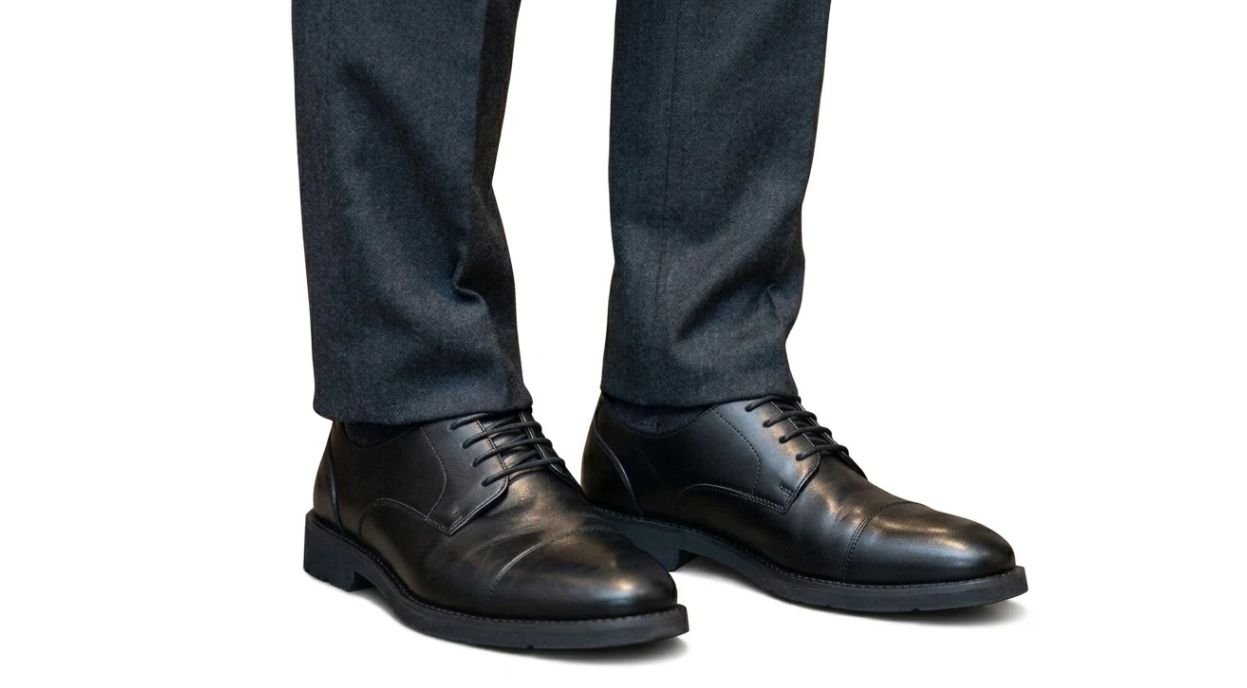
People notice a man’s shoes long before they notice his watch, and after fifty the right pair quietly says that you still care. A cracked, scuffed or careless pair can drag down an otherwise sharp outfit in seconds.
Not once did my father, Dee Clement, put a pair of shoes back in the closet dirty.
Every pair was cleaned and polished after each wear, placed in a cloth bag and returned to its carton.
At 45, I think of that ritual whenever I reach for my own brogues, loafers or desert boots.
The best shoes for men over 50 are not the trendiest pairs but the classic styles that fit well, last long and suit real life.
Below are the styles worth owning, the colors that carry most outfits and a simple plan for building a small rotation.
Table of Contents
What Makes a Good Shoe After 50
Plenty of shoppers sit in this group, since people aged 65 and over made up 18.0% of the US population in 2024, according to Census data.
Age changes what you need from a shoe less than people assume, but it does raise the stakes on fit and build quality.
A good pair for this stage of life usually shares four traits, all simple to check in a store:
- Proper fit: room to wiggle your toes, a snug heel and no pinching across the widest part of the foot.
- Real leather uppers: full-grain leather or suede breathes, molds to your foot and polishes up better than coated materials.
- A grippy sole: rubber, or leather with a rubber insert, gives better grip on polished floors and wet pavements than slick leather.
- Repairable construction: stitched soles can be replaced by a cobbler, so one good pair keeps going long after cheaper ones.
Construction matters more than most buyers realize, so it pays to know the term Goodyear welt before you start shopping.
A Goodyear welt is a strip of leather, rubber or plastic running around the outsole, stitched in place to join the sole and upper.
Welted shoes cost more to make than machine-molded pairs, but a US patent filing notes that their soles can be replaced when they wear out.
For a man buying fewer and better pairs, the option to resole turns one purchase into a companion that outlasts several cheap replacements.
This list narrows the field for older men, while a broader men’s footwear overview covers every main style for all ages.
The clothes around your shoes matter as well, and menswear for the later decades covers everything from basics to seasonal dressing.
Dress Shoes: Oxfords, Derbies and Brogues
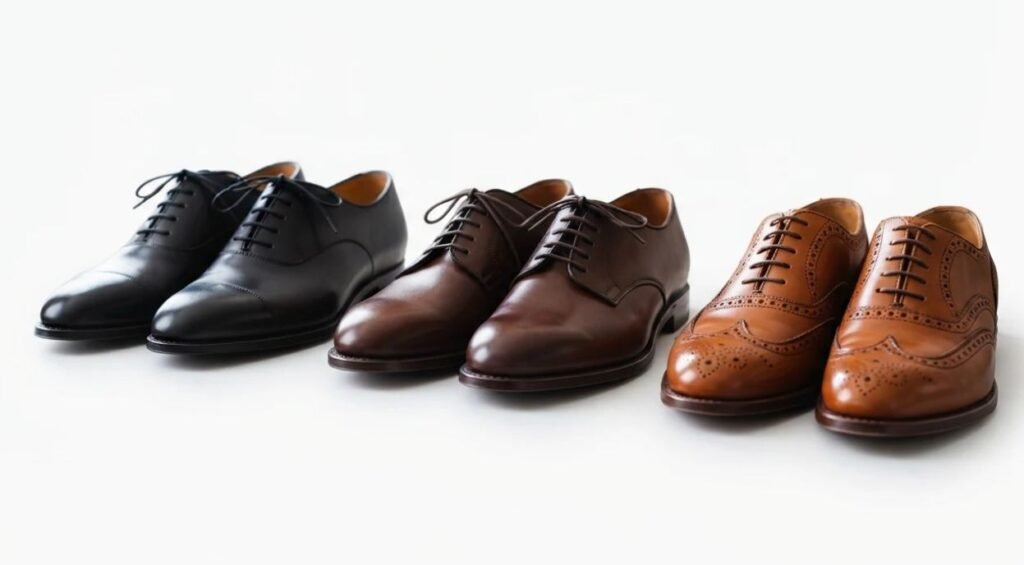
Every man past fifty needs at least one pair of leather dress shoes for weddings, funerals, church and formal dinners.
The classic closed-lace oxford is the most formal choice, with the lacing panels sewn under the vamp for a clean, sleek line.
A derby has open lacing, which makes it slightly more relaxed and easier to adjust over a higher instep.
Brogues add decorative punching to an oxford or derby, which places them neatly between formal events and smart casual days.
Their history is humble, since modern brogues trace back to rough shoes of untanned hide worn in Ireland and Scotland.
The holes are said to have let water drain out after walking through boggy ground, though historians still debate the details.
Brogues and plainer dress shoes both sit in my own closet, which tells you how much ground those two styles can cover.
When choosing a formal pair, keep these three practical points firmly in mind before paying:
- Choose dark brown or black calf leather for the first pair, with a plain or cap toe.
- Pick a slightly rounded toe over a long, pointed one, which can look dated on older men.
- Make sure the shoe suits the trouser width, since chunky soles fight with slim, tailored trousers.
For a fuller breakdown of formal styles and finishes, read the dress shoe lineup for men before you buy.
Loafers and Moccasins: The Easy Slip-On Pair
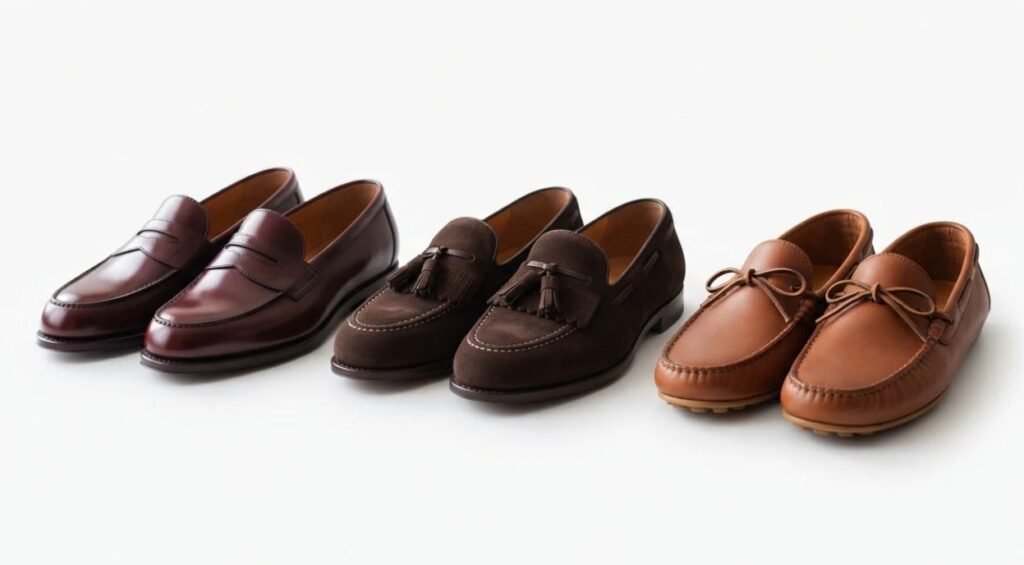
Loafers may be the most useful shoe a man over fifty can own, because they bridge the office, church and the weekend.
The penny loafer has a long story, since the Maine bootmaker Bass launched its Weejun in 1936, naming it after the word Norwegian.
That shoe borrowed from slip-ons worn in Norway, and it went on to become a fixture of American preppy dressing.
The main loafer types each suit a slightly different mood, dress code and time of year:
- Penny loafers are the everyday option, sitting easily beside chinos, denim and even a lightweight summer suit.
- Tassel loafers feel a little dressier and look right with gray flannels or a blazer and open collar.
- Horsebit loafers carry a metal bar across the vamp and suit men who like a touch of polish.
- Suede loafers bring texture in warmer months and pair nicely with linen, cotton and lighter chinos.
Moccasins are softer and lower in structure, with stitching that wraps the foot, which makes them a natural pick for driving and home.
Loafers and moccasins both have a place in my own rotation, alongside the brogues and desert boots mentioned earlier.
You can compare more relaxed leather shoe styles for smart weekends, and hot-weather footwear picks for the warmest months.
Boots: Chelsea, Chukka and Desert Boots
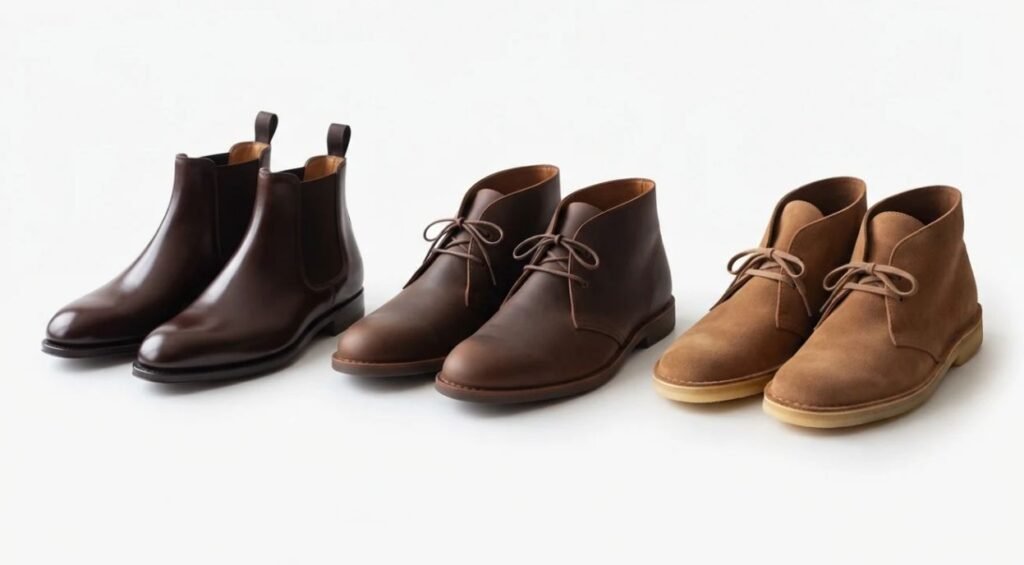
A good boot gives you warmth and presence in cooler months without the weight and bulk of a full work boot.
Of the three, the Chelsea boot is simplest to put on, with elastic side panels that let it slip on and off in seconds.
Its design is credited to Joseph Sparkes Hall, shoemaker to Queen Victoria, who claimed she walked in them every day.
Chukka and desert boots are ankle-high lace-ups with two or three eyelets, usually in suede with a crepe or rubber sole.
Desert boots are one of my own pairs, and they suit the jeans and chinos that fill most of my wardrobe.
Three boot combinations are hard to get wrong, even for men new to boots:
- Dark brown suede Chelsea boots work with jeans, chinos, flannel trousers and even a casual suit.
- Black leather Chelsea boots look sleek under slim dark trousers and pair well with a wool overcoat.
- Sand or tan desert boots carry relaxed outfits and look best with denim and earth-toned chinos.
For lace-up, pull-on and weatherproof options, see these boots for every season before deciding.
Leather Sneakers and Boat Shoes
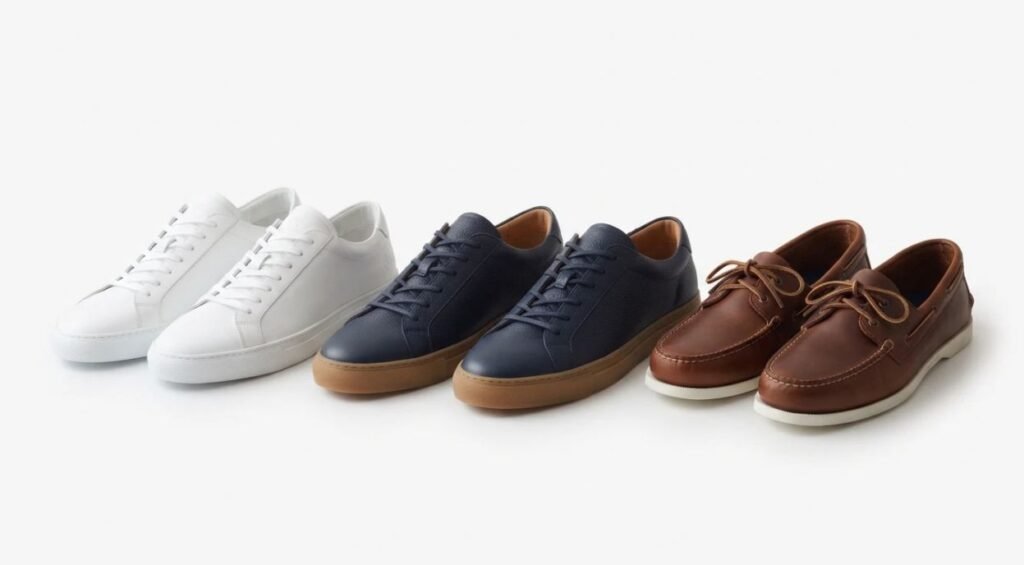
Sneakers are perfectly acceptable after fifty, as long as they are clean, simple and made from leather or suede.
Plain white or off-white leather sneakers with a slim sole look modern without seeming like you are chasing youth.
Avoid bulky running shoes with neon trim outside the gym, since they read as athletic gear rather than a style choice.
Navy, gray or brown suede sneakers are a quieter alternative that sits nicely beside chinos and a crewneck sweater.
Boat shoes are a summer classic for coastal holidays and weekends, best worn with shorts or rolled chinos and no visible socks.
I keep sneakers in my own lineup as well, and they suit the jeans, polos and crewneck tees I wear most days.
Pick from these low-key leather sneakers, then build them into easygoing looks after fifty for the weekend.
The Best Shoe Colors for Men Over 50
Color decides how many outfits a pair can serve, so start with dark brown, which goes with nearly everything except black tie.
- Dark brown works with navy, gray, olive, tan and denim, from suits to relaxed weekend chinos.
- Black belongs with charcoal and navy suits, evening events and funerals, and very little else.
- Tan or mid-brown suits warm weather and lighter clothes, especially in suede loafers or desert boots.
- Burgundy or oxblood adds depth and looks distinguished with gray hair, navy suits and gray trousers.
Keep belt and shoe leather close in color and roughly in finish, keeping everything tidy from the waist down.
A quick look at belt colors and buckles will help you get that pairing right every time.
Which Shoes Go With What
The table below pairs common occasions with the shoes and trousers that suit them best.
| Occasion | Best shoe | Trousers |
|---|---|---|
| Wedding or formal dinner | Black or dark brown oxford | Dark suit or tuxedo |
| Church or Sunday lunch | Brogues or tassel loafers | Suit, or blazer with gray trousers |
| Office or smart casual | Derby, penny loafer or Chelsea boot | Chinos or wool trousers |
| Weekend errands | Leather sneakers or desert boots | Jeans or chinos |
| Summer holiday | Boat shoes or suede loafers | Shorts or linen trousers |
For formal events, start with a suit that fits well, then choose the shoe to match its color and formality.
Workdays have their own rules, and workday dressing past fifty shows how loafers and derbies fit in.
Building a Five-Pair Rotation
Most men over fifty can cover every part of their week with five carefully chosen pairs:
- A black or dark brown cap-toe oxford for weddings, funerals and formal dinners.
- A pair of brown brogues or derbies for church, meetings and smart days out.
- Dark brown suede or leather penny loafers for the office, lunches and travel days.
- Suede Chelsea or desert boots for cooler weather, worn with jeans or chinos.
- Clean white or navy leather sneakers for weekends, errands and time with grandchildren.
Rotating pairs gives the leather a full day to dry out between wears, which helps each pair last longer.
These shoes slot neatly into a mature man’s closet, from chinos to a dark suit.
Worn-out sneakers and squared-off toes belong among the style mistakes to leave behind once you pass fifty.
Shoe Care the Way My Father Did It
My father’s routine was simple, yet it remains the best model I know for keeping leather shoes in good condition.
His method needed nothing fancy, just a brush, a polish, a cloth bag and the original carton, every single time.
You can follow the same habits at home with very little time, money or effort:
- Brush off dust and dirt after each wear, before it settles into the creases.
- Use cedar shoe trees to hold the toe and absorb moisture between wears.
- Polish with a cream or wax that matches the leather every few wears.
- Store pairs in cloth bags or boxes, out of strong sunlight and damp corners.
- Take worn heels and soles to a cobbler before the damage reaches the upper.
For recommended products and methods, read about cleaning and conditioning leather at home.
Putting Your Best Foot Forward
The best shoes for men over 50 are well made, comfortable to wear all day and simple enough to match most of your clothes.
Start with one quality dress pair, then add loafers, boots and clean sneakers for relaxed days.
Care for each pair the way my father cared for his, and they will stay presentable for years.
Look through your closet this weekend, retire any pair that is cracked or tired, and replace it with one of the styles covered above.
Then build the rest of a later-life wardrobe around the shoes you choose.
Frequently Asked Questions
What shoes should a man over 50 wear every day?
Penny loafers, suede desert boots and plain white sneakers cover most daily needs. All three look smart with chinos or denim and stay comfortable through a long, busy day.
Can older men wear sneakers?
Yes, as long as they are clean, simple and made from leather or suede. Choose white, navy or gray pairs with slim soles and skip loud athletic designs.
What color shoes should an older man buy first?
Dark brown leather is the smartest first purchase because it works with navy, gray, olive and denim. Add a black pair next for formal events and most evening wear.
Are Goodyear welted shoes worth the money?
For men who want fewer, better pairs, welted shoes usually justify the higher price. The stitched construction lets a cobbler replace worn soles and extend each pair’s life.
How should loafers fit?
Loafers should feel snug across the instep and grip your heel without slipping as you walk. Leather stretches a little, so avoid pairs that feel loose in the store.

Pyo Merez is a 45-yeard old husband, father, and a chemical engineer by profession and the founder of Gentsways, a men’s lifestyle site built in honour of his father, Dee Clement. He has been writing about men’s development, style, and character through his father’s lens since 2021, drawing on lived experience, his father’s example, and research from reputable publications. He is not a certified trainer or therapist; where fitness or health topics require it, articles are reviewed by qualified contributors.