
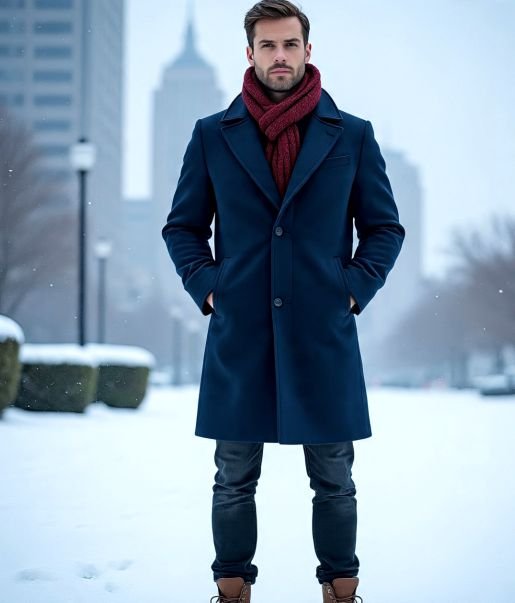
Men’s outfits for winter that balance warmth and style, helping you layer smarter, stay comfortable, and look sharp during cold-weather days.
Cold mornings change how clothes feel on your body and how you carry yourself through the day.
Winter dressing rewards smart layering, proper insulation, and pieces that work together without effort.
Too many men stack bulky jackets, ignore fabric choice, or sacrifice fit for warmth, then wonder why outfits feel sloppy or uncomfortable.
Style slips when boots clash with trousers or coats drown your frame.
This guide shows how to stay warm while keeping a clean silhouette, sharp proportions, and confidence in every setting.
Expect practical winter outfits, layering techniques, fabric tips, and color choices that suit daily wear, work, and casual outings.
Your wardrobe starts working smarter, not harder, even when temperatures drop.
Table of Contents
Men’s Winter Layering Basics Explained
Smart winter layering helps your clothes work together, keeping body heat balanced, movement easy, and outfits sharp across changing temperatures from cold mornings to warm indoor spaces.
The three-layer system: base, mid, and outer layer
A solid winter outfit starts close to your skin. Base layers manage sweat and prevent chills, mid layers trap heat without bulk, and outer layers block wind and rain.
Each layer has a clear job, so warmth stays controlled and comfort lasts all day.
Mixing these layers gives better results than relying on one heavy coat, especially during long workdays or travel. Here is a dedicated post on men’s layering techniques.
How layering improves warmth and flexibility
Layering creates pockets of warm air while allowing quick adjustments as conditions change.
Removing a mid-layer indoors prevents overheating, and adding it back outside restores warmth fast.
Clothes feel lighter, movement stays natural, and your outfit adapts to commuting, office hours, and evening outings without losing structure or style.
Choosing breathable vs insulating fabrics
Fabric choice decides how your layers perform. Breathable materials like merino wool and technical cotton blends release moisture and regulate temperature.
Insulating fabrics such as fleece, wool, and down retain heat during cold exposure.
Combining both keeps skin dry, heat steady, and winter outfits comfortable in dry cold or damp weather.
Essential Winter Clothing Every Man Should Own
Winter style works best when your wardrobe combines warmth, comfort, and practical pieces that move with you through cold mornings, office hours, and evening outings.
Each item should have a purpose and complement your overall layering system.
Heavy coats and jackets (wool coat, parka, puffer)
A strong outer layer protects against wind, rain, and snow while defining your silhouette.
Wool coats add a polished look for office or social settings, parkas handle wet or windy conditions, and puffers provide lightweight warmth for casual days.
Choosing quality materials ensures the coat lasts season after season. More on men’s coats here.
Knitwear (sweaters, hoodies, cardigans)
Knits trap heat while remaining flexible, making them ideal mid layers for layering or wearing alone.
Wool or cotton sweaters provide insulation, hoodies add casual comfort for travel, and cardigans work for office layering.
Mixing textures and colors keeps outfits interesting while maintaining warmth and mobility.
Winter trousers (jeans, chinos, wool pants)
Trousers protect legs from cold without sacrificing style.
Wool pants deliver warmth for formal occasions, chinos balance comfort and durability for daily wear, and heavier denim works well for casual outdoor activities.
Proper fit allows layering with thermal leggings or long underwear when temperatures drop.
Cold-weather footwear (boots, insulated sneakers)
Feet need protection from wet surfaces, snow, and low temperatures.
Leather boots resist moisture and provide grip, insulated sneakers offer casual comfort and warmth, and soles with traction prevent slips.
Choosing durable materials and a proper fit keeps your feet dry, warm, and ready for long walks or commuting.
Casual Winter Outfit Ideas for Men
Casual winter outfits combine comfort, warmth, and style, letting you move through daily routines without feeling weighed down.
Layering, color coordination, and footwear choice create looks that work for errands, meetups, or weekend outings.
Let’s take a closer look:
Every day, street-style combinations
Street-style outfits balance relaxed silhouettes with functional layering.
Pair sweatshirts, lightweight jackets, or knit sweaters with well-fitted jeans or chinos, adding scarves or beanies for extra warmth.
Accessories like gloves and casual bags complete the look while keeping you practical and stylish on city streets or casual gatherings.
Hoodie + coat + jeans outfit formula
This combo provides both comfort and warmth. A hoodie worn under a wool coat or puffer adds insulation without bulk, while jeans keep the outfit grounded and versatile.
Rolling sleeves or choosing a slim-fit hoodie maintains a clean, structured appearance, making the outfit easy to adapt for work or social events.
Sneakers vs boots for casual winter looks
Footwear defines both style and function in cold weather. Sneakers offer lightweight comfort for walking and quick errands, while boots provide grip, insulation, and protection from snow or wet surfaces.
Matching the footwear to your outfit and activity keeps your look cohesive while preventing cold feet or slipping outdoors.
Smart-Casual Winter Outfits
Smart-casual winter outfits balance polished style with comfort, letting you move from office meetings to dinner without sacrificing warmth.
Layering and thoughtful footwear create a look that feels intentional and effortless.
Here is how:
Sweater over a button-down shirt
Layering a sweater over a crisp button-down shirt adds structure while keeping warmth in check.
Choose lightweight merino or cashmere sweaters, letting the collar and cuffs peek for a refined look.
Pair with chinos or wool trousers to maintain balance between casual ease and polished style suitable for work or social events.
Blazer and knit combinations
Pairing a blazer with a thin knit adds texture and insulation without feeling bulky.
Wool or tweed blazers work well with fitted sweaters or turtlenecks underneath.
This combination keeps your chest and shoulders warm while maintaining a sharp silhouette for meetings, dinners, or weekend outings in cooler temperatures.
When to wear loafers, Chelsea boots, or derbies in winter
Footwear choice impacts both style and practicality. Loafers suit dry, indoor settings and add sleekness to chinos or trousers.
Chelsea boots handle damp conditions while keeping a slim, modern profile.
Derbies offer versatility, pairing well with casual and formal outfits, especially when temperatures require solid insulation and traction.
Formal Winter Outfits for Men
Formal winter outfits keep you looking sharp while staying warm, making early mornings, office meetings, and evening events more comfortable.
Fabric choice, layering, and outerwear play a key role in maintaining a polished silhouette.
Business and office winter wear
Structured suits and tailored trousers form the foundation of professional winter style.
Layer shirt with thin merino sweaters or waistcoats for extra warmth, and coordinate ties or pocket squares to add color and texture.
Proper fit and subtle layering prevent bulk while keeping you comfortable during long office hours.
Overcoats with suits
A well-fitted overcoat protects your suit from cold and wind while preserving sharp lines.
Wool or cashmere blends provide warmth without adding weight, while classic colors like navy, camel, or charcoal complement most formal outfits.
Sleeves, length, and shoulder fit should allow easy movement without covering the details of your suit.
Choosing winter-appropriate fabrics for formal clothing
Fabric choice determines how warm and breathable your outfit feels.
Wool, tweed, and flannel hold heat, resist wrinkles, and maintain structure, while heavier cotton blends can work for layered shirts or trousers.
Pairing insulated fabrics with proper underlayers keeps you warm without sacrificing style, making formal winter wear practical for daily use.
Winter Accessories That Elevate Men’s Style
Accessories do more than finish an outfit; they add warmth, texture, and personality to winter looks.
Choosing the right pieces keeps you comfortable while making your style feel intentional and polished.
Scarves, gloves, and beanies
Cold-weather essentials protect against wind and low temperatures while giving outfits depth.
Wool or cashmere scarves add texture, leather or knit gloves keep hands warm, and beanies or flat caps complete the head-to-toe look.
Coordinating colors and materials ensures these pieces complement your coats, sweaters, and trousers without feeling mismatched.
Belts, watches, and leather bags
Functional accessories elevate everyday outfits and organize your essentials.
A leather belt anchors trousers, a watch adds sophistication, and a structured bag carries work or personal items in style.
Choosing durable materials and neutral tones lets these pieces pair with multiple outfits while enhancing overall winter style.
How accessories improve both warmth and appearance
Smart accessories create layers of warmth without adding bulk, while drawing attention to intentional styling details.
Scarves trap heat at the neck, gloves protect hands, and hats shield your head, all while reinforcing color schemes, textures, and outfit cohesion.
The right combination balances practicality and polished aesthetics effortlessly.
Color Palettes That Work Best in Winter
Winter outfits look sharper when colors work together, creating a cohesive and intentional appearance.
Choosing the right palette helps you mix layers confidently while staying stylish in colder months.
Neutral winter colors: black, grey, navy, brown
Neutral tones form the foundation of winter wardrobes, making it easy to layer without clashing.
Black and grey offer sleek versatility, navy adds depth to sweaters and coats, and brown introduces warmth and texture.
Combining neutrals lets you build multiple outfits with minimal effort while keeping proportions and style clean.
How to add color without overdoing it
Subtle pops of color keep outfits interesting without looking loud.
Scarves, knitwear, or socks in muted reds, greens, or burgundy create focal points while blending naturally with darker neutrals.
Stick to one or two accent pieces per outfit to maintain balance and prevent overwhelming your look.
Matching layers for a cohesive look
Layering works best when colors complement each other, from base layers to outerwear.
Dark trousers, mid-tone sweaters, and neutral coats create depth, while accessories tie the palette together.
Coordinating shades ensures each piece supports the overall outfit, giving winter looks a polished, intentional finish.
Winter Outfit Mistakes to Avoid
Even small missteps can ruin a winter outfit, making you uncomfortable or looking sloppy.
Avoiding common mistakes keeps you warm, mobile, and stylish from morning commutes to evening plans.
Over-layering or under-layering
Too many bulky layers weigh down your look and restrict movement, while too few leave you cold and shivering.
Aim for balanced layering with functional base, mid, and outer layers.
Choosing the right thickness for each piece keeps warmth consistent without compromising fit or silhouette.
Ignoring fit for warmth
Sacrificing proper fit for oversized sweaters or coats creates bulk and flattens proportions.
Clothes should allow freedom to move while holding shape over thermal layers.
Slim or tailored cuts in winter fabrics maintain structure, making warmth feel seamless rather than awkward or bulky.
Wearing the wrong shoes for winter weather
Footwear affects both comfort and safety in cold conditions.
Thin-soled shoes or dress shoes leave feet cold and risk slipping, while insulated boots or weatherproof sneakers protect from snow, ice, and moisture.
Matching shoes to conditions ensures warmth, traction, and style throughout the season.
Budget-Friendly Winter Outfit Tips
Looking sharp in winter doesn’t have to drain your wallet. Smart choices in layering, versatile pieces, and timing your purchases make it easy to stay warm and stylish on a budget.
Building outfits from a few versatile pieces
Focusing on core items like neutral coats, sweaters, and trousers lets you create multiple outfits without extra spending.
Pieces that layer well together, such as a navy coat with grey knitwear or brown boots, maximize wardrobe potential while keeping each look fresh and coordinated.
Mixing affordable basics with statement items
Pairing simple, inexpensive pieces with standout items adds personality without overspending.
A quality scarf, leather gloves, or textured jacket can elevate everyday jeans and sweaters, making even basic outfits feel intentional and stylish.
Shopping tips for winter sales
Timing purchases around end-of-season sales, holiday discounts, or online promotions saves money while building a strong wardrobe.
Look for durable fabrics and classic cuts that last multiple winters, focusing on items that can mix and match across casual, smart-casual, and formal outfits.
Conclusion
Winter outfits for men balance warmth, comfort, and style when layers, fabrics, and accessories work together.
Smart layering, winter-appropriate fabrics, and versatile pieces let your wardrobe adapt to cold mornings, office hours, and casual outings.
Avoiding common mistakes like bulky layers, poor fit, or unsuitable footwear keeps your silhouette sharp and movement natural.
Thoughtful color palettes, quality outerwear, and practical accessories enhance both warmth and appearance, while budget-friendly strategies make winter style accessible.
By combining functional pieces, coordinating layers, and selecting appropriate footwear, your outfits remain comfortable and polished, letting you navigate cold-weather days with confidence, clarity, and effortless style.
Frequently Asked Questions
What are the most versatile winter layers for men?
Base layers like merino shirts, mid layers such as wool sweaters, and insulated outer jackets create adaptable, comfortable winter outfits.
How can I stay warm without bulky clothing?
Use the three-layer system, breathable fabrics, and fitted mid layers to trap heat efficiently while keeping movement and style intact.
Which winter shoes work best for daily wear?
Leather boots provide insulation and grip, insulated sneakers offer casual comfort, and weatherproof shoes protect against snow, ice, and wet conditions.
How do I mix colors in winter outfits?
Start with neutral tones, then add subtle pops through scarves, knitwear, or accessories, keeping layers balanced and visually cohesive for polished looks.
References

Pyo Merez is a men’s lifestyle enthusiast and writer about the gentleman’s place and impact on society. Raised by a distinguished gentleman dad, he offers unique insights into how the mind of a gentleman works and how societal norms shape gentlemen’s identity and vice versa.
Through his insightful articles, Pyo taps into the depths of gentleman culture to provide perspectives on etiquette and manners in modern society.