
Last updated on February 26th, 2026 at 07:48 pm
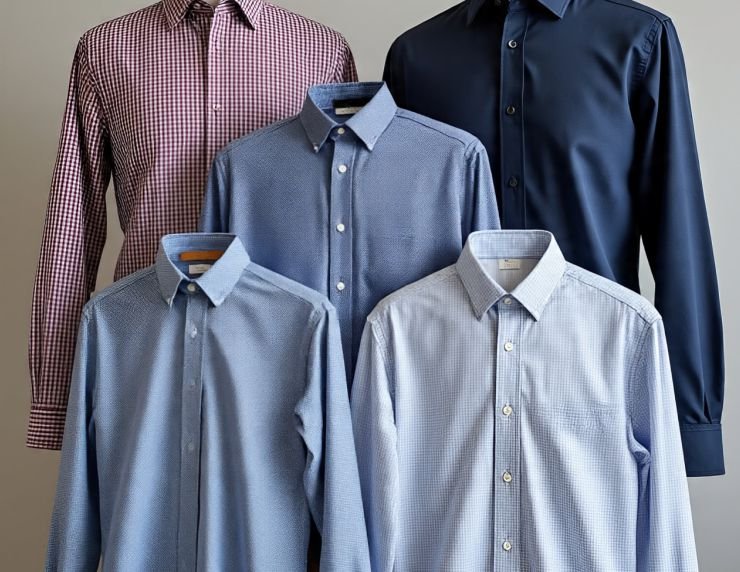
Best men’s shirts for work help you look sharp, stay comfortable, and make the right impression from morning meetings to closing time.
The best men’s shirts for work combine proper fit, breathable fabric, and a professional look.
A well-fitted shirt improves comfort during long hours and keeps your appearance sharp.
Cotton and cotton blend shirts handle daily wear better, while wrinkle-resistant fabrics reduce maintenance.
Fit matters as much as fabric since a shirt that is too tight or too loose looks sloppy.
Color and style should match your workplace dress code, from formal offices to business casual settings.
Choosing the right work shirt helps you stay comfortable, look polished, and perform confidently throughout the day.
Recommended: Guide to Men’s Shirts – Types, Fabrics and More
Table of Contents
What is a Men’s Work Shirt?
A men’s work shirt is a shirt designed for professional settings, offering a clean appearance, proper fit, and all-day comfort.
It is made from durable, breathable fabrics and suited for office, business casual, or job-specific environments while meeting workplace dress codes and daily wear demands.
What Makes a Good Work Shirt for Men
A good work shirt should support comfort, movement, and a clean appearance.
It needs to match your job setting, hold up through long hours, and help you look prepared from start to finish.
Fit and Structure
Your work shirt should sit properly on the shoulders, allow easy movement, and maintain a neat shape.
Correct sleeve length, clean seams, and balanced proportions help you look sharp without feeling restricted.
Fabric Quality and Breathability
The right fabric keeps you comfortable during long workdays.
Cotton and cotton blend shirts allow airflow, manage heat, reduce sweat buildup, and help your shirt stay presentable in warm offices.
Durability and Daily Wear
A quality work shirt should handle frequent washing and daily use.
Strong stitching, firm seams, and reliable fabric prevent stretching, tearing, or fading, making the shirt dependable for repeated professional wear.
Ease of Care and Maintenance
Work shirts should be easy to clean and maintain.
Machine-washable fabrics that resist wrinkles and dry quickly save time, reduce ironing, and help you keep a tidy look with minimal effort.
Appropriate Style for the Workplace
Your shirt style should fit your office dress code.
Dress shirts suit formal settings, while button-down or Oxford shirts work for business casual environments without appearing too relaxed.
Related Posts
All You Need to Know About Men’s Dress Shirts
Custom Embroidered Men’s Work Chambray Shirt
Types of Men’s Shirts Suitable for Work
Your work shirt should match your office culture, daily duties, and comfort needs.
Different shirt types help you maintain a professional look while fitting into formal, business casual, or relaxed work environments.
Dress Shirts
Dress shirts are made for formal and professional workplaces.
You wear them when meetings, presentations, or client interactions require a sharp appearance.

These shirts feature smooth fabric, structured collars, and a clean fit that sits well under suits and blazers.
Dress shirts work best in corporate offices where appearance reflects credibility, attention to detail, and respect for workplace standards.
Button Down Shirts
Button-down shirts give you a professional look with added comfort.
The collar buttons keep the shirt in place throughout long workdays. You can rely on them for business casual offices where formality is balanced with ease.
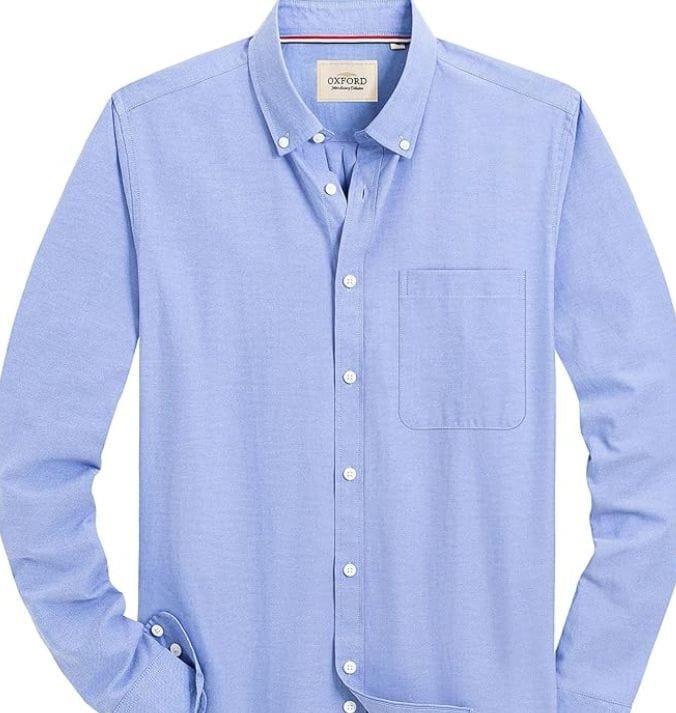
These shirts pair well with chinos or dress pants and suit roles that involve movement, meetings, and everyday office tasks.
Oxford Shirts
Oxford shirts offer durability and comfort without losing structure.
The thicker fabric feels dependable and holds its shape after repeated wear.

You can wear Oxford shirts in casual offices, client-facing roles, or regular workdays where you want a neat look that does not feel stiff.
They transition easily from desk work to meetings.
Twill Shirts
Twill shirts are known for their smooth texture and strength.
The fabric resists wrinkles and handles frequent washing well. You choose twill shirts when your workday is long and demanding.
They suit professional offices that value durability and a tidy appearance, helping you maintain a polished look from morning to closing time.
Poplin Shirts
Poplin shirts are lightweight and breathable, making them ideal for warm offices or active workdays.
The smooth weave keeps the shirt looking clean under jackets.
You wear poplin shirts when comfort is a priority but you still need a professional finish.
They work well for daily office wear and long hours indoors.
Flannel Shirts for Casual Work Settings
Flannel shirts fit relaxed work environments and cooler conditions.
The soft fabric provides warmth while allowing easy movement. You can wear a flannel in creative offices, workshops, or outdoor roles where strict dress codes are not required.
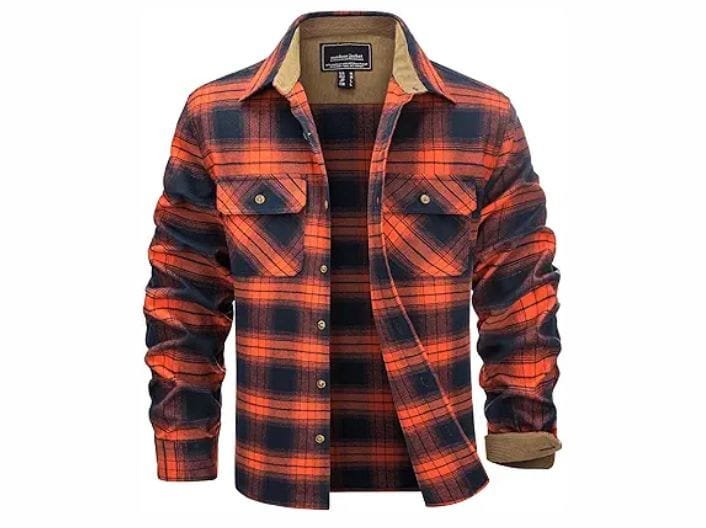
When styled neatly, flannel offers comfort without appearing careless or unprofessional.
The Best Men’s Shirt Fabrics for Work
The fabric of your work shirt affects comfort, appearance, and how you feel throughout the day.
Choosing the right material helps you stay cool, move freely, and maintain a professional look from morning to evening.
Cotton Shirts
Cotton shirts feel soft on your skin and allow air to circulate during long work hours. You stay cooler, absorb sweat better, and enjoy steady comfort.
Cotton gives a clean and sharp appearance that fits most offices, though it may crease easily without careful care.
Cotton Blend Shirts
Cotton blend shirts combine comfort with practicality.
You get breathability from cotton and strength from synthetic fibers.
These shirts resist wrinkles, keep their shape, and require less ironing. They work well for busy schedules and active roles where you need a neat look all day.
Linen Shirts
Linen shirts suit warm offices and hot climates. The fabric allows heat to escape and feels light during long hours.
You choose linen when comfort matters most, though wrinkles appear quickly.
Linen fits relaxed offices and business casual settings rather than strict formal workplaces.
Stretch Fabric Shirts
Stretch fabric shirts give you freedom of movement while keeping a tidy shape.
Added elastane helps the shirt move with your body during work tasks.
These shirts suit roles that involve bending, walking, or long hours, while still maintaining a professional appearance.
Performance Fabric Shirts
Performance fabric shirts focus on moisture control and easy care.
They dry quickly, reduce sweat buildup, and resist creasing.
You choose these shirts when your workday demands comfort, movement, and a consistently clean look without frequent ironing or extra maintenance.
Best Men’s Shirts for Work in Different Environments
The work environment determines the type of shirt you should wear.
Choosing the right shirt helps you stay comfortable, follow dress codes, and maintain a professional appearance throughout the day.
Corporate and Formal Offices
In corporate offices, tailored dress shirts create a polished and professional look.
Cotton or cotton blend shirts offer comfort and durability. Stick to classic colors like white, light blue, or subtle patterns.
A proper fit and a clean collar ensure you appear confident during meetings and client interactions, supporting a professional image.
Business Casual Workplaces
Business casual settings allow more flexibility while keeping you professional. Polo shirts or soft cotton button-down shirts are ideal.
Muted tones, soft checks, or light patterns offer a refined yet relaxed style.
These shirts balance comfort and appearance, making them suitable for collaborative projects and daily office tasks.
Creative Offices and Startups
In creative environments, you can express your style while staying professional.
Vibrant colors, breathable cotton or linen fabrics, and patterned shirts work well.
Casual cuts like henley shirts or flannel give comfort and individuality, allowing you to stay stylish and approachable without violating workplace expectations.
Outdoor and Hands-On Jobs
For active or outdoor roles, durability and practicality matter.
Heavy-duty fabrics like canvas or rugged cotton resist wear and tear.
Long sleeves with roll-up options and moisture-wicking properties improve comfort.
Shirts with extra pockets provide utility, keeping tools or personal items accessible during physically demanding tasks.
Best Men’s Shirt Colors and Patterns for Work
Choosing the right shirt colors and patterns shapes how you are perceived at work.
The right choices help you look professional, feel confident, and coordinate easily with other wardrobe pieces.
Classic Solid Colors
Solid colors are the safest option for work shirts.
White, light blue, and pale gray create a clean, polished look and match almost any trousers or blazer.
These colors work for formal offices and business casual settings, giving you a consistent and professional appearance every day.
Subtle Patterns
Subtle patterns like thin pinstripes, soft checks, or small geometric designs add depth to your shirt without drawing too much attention.
These options work well in offices that allow some personality in attire, helping you stand out while maintaining a professional impression.
Colors to Avoid
Bright or neon colors can appear casual and may not suit formal office settings.
Loud patterns or graphic designs can distract from your professional image.
Stick to neutral, muted tones to maintain authority and confidence in any work environment.
Matching Colors and Patterns to Your Role
Consider your workplace culture and interactions when choosing shirts.
Subtle colors and understated patterns help you look approachable and professional.
Matching your shirt to the tone of your office ensures your style supports your work presence effectively.
How to Style Men’s Work Shirts
Styling your work shirt helps you look professional, feel comfortable, and adjust to different office settings.
Smart choices in pairing, layering, and accessorizing make your shirt a central part of your outfit.
Pairing with Suits and Blazers
Choose a tailored shirt that fits neatly under a blazer or suit.
The collar should sit flat beneath the lapel. Stick to classic colors like white or light blue for a polished and professional look.
Worn with Chinos or Dress Pants
Pair your shirt with chinos or dress pants based on office formality.
Button-down shirts work for business casual, while structured dress shirts with dark trousers suit formal settings.
Add matching belts and shoes for a complete appearance.
Layering Options
Layer your shirt with a lightweight sweater or vest during cooler months. Neutral colors keep the shirt as the focus.
Layering adds style and comfort while adjusting to varying temperatures throughout the workday.
Seasonal Considerations
Short-sleeved shirts are ideal for warm months and long-sleeved shirts for cooler weather. Cotton offers breathability and wool provides warmth.
Choose fabrics suitable for the climate to stay comfortable and professional at work.
Common Mistakes Men Make with Work Shirts
Choosing the right work shirt affects comfort, style, and professionalism.
Many men make simple mistakes that hurt their appearance and confidence. Recognizing these errors can help you maintain a sharp, polished look every day.
Wearing the Wrong Fit
A shirt that is too tight feels uncomfortable and restricts movement, while a loose shirt can look sloppy and unkempt.
Choosing a fit that matches your body type, such as slim, regular, or relaxed, ensures your shirt sits properly and gives a clean, professional silhouette without feeling restrictive.
Ignoring Fabric Quality
The fabric determines how a shirt feels and lasts. Cotton and linen offer breathability, comfort, and durability for long hours.
Low-quality fabrics may lose shape, fade, or wrinkle easily.
Investing in quality materials ensures your shirt maintains its look and supports your professional appearance.
Choosing Overly Casual Designs
Bold colors, loud patterns, or casual fabrics can undermine a professional look.
While relaxed shirts work in creative offices, formal and traditional workplaces call for solid colors or subtle patterns.
Balancing comfort with professionalism ensures your work shirt reflects the right impression.
Neglecting Maintenance
Failing to properly wash, iron, or store your shirts can ruin even high-quality pieces.
Regular care keeps the fabric smooth, the fit consistent, and the shirt ready to wear.
Maintaining your shirts prolongs their life and preserves a tidy, professional image.
Frequently Asked Questions
What are the best colors for professional work shirts?
White and light blue are your most formal and versatile staples. For solid accents, you can use navy and pale grey to add depth to your work wardrobe.
How should a men’s dress shirt fit properly?
The shoulder seam must align precisely with your shoulder bone, and the collar should allow two fingers of room when buttoned. The cuffs must hit the top of your wrist.
What is the most wrinkle-resistant fabric for work?
Blended fabrics, typically cotton mixed with polyester, offer the best wrinkle resistance and require the lowest maintenance for your daily work shirt rotation.
Should my formal work shirt have a pocket?
For the highest level of formality, your work shirt should not have a pocket. Pockets are generally reserved for more business casual or utility shirts.
Reference
