Last updated on March 5th, 2026 at 12:46 pm
Men’s trousers define your style foundation. Fit, fabric, rise, and cut determine comfort, confidence, and how sharp every outfit looks daily.
Men’s trousers set the tone for men’s style and outfit and affect how you move, sit, and carry yourself throughout the day.
The right fit can make your silhouette sharper, provide comfort during long hours, and give confidence in every step you take.
In this guide, you will learn about types of men’s trousers, how to choose ones that match your body shape and lifestyle, understand different fabrics and weaves, and see practical tips for styling with shirts, jackets, and shoes.
You will also find advice on casual, work, and formal options, along with care instructions to keep them looking sharp.
By the end, your wardrobe will have trousers that work with your daily life and style goals.
Table of Contents
What Are Men’s Trousers?
Men’s trousers are tailored or casual garments that cover the lower body, designed for comfort, fit, and movement.
They vary in style, fabric, and cut, serving different occasions from work to leisure.
Properly chosen trousers complement your silhouette, coordinate with shirts, jackets, and shoes, and help convey confidence, professionalism, and personal style in everyday life.
Types of Men’s Trousers
Men’s trousers come in many styles, each serving different purposes, occasions, and personal preferences.
Knowing the options helps you dress with confidence and pick the right pair for work, casual outings, or seasonal needs.
Dress Trousers
Dress trousers are suited for office settings, formal events, and business meetings, giving your outfit a polished, professional edge.
Look for pleated or flat-front designs, tapered legs, and clean seams that complement your build.
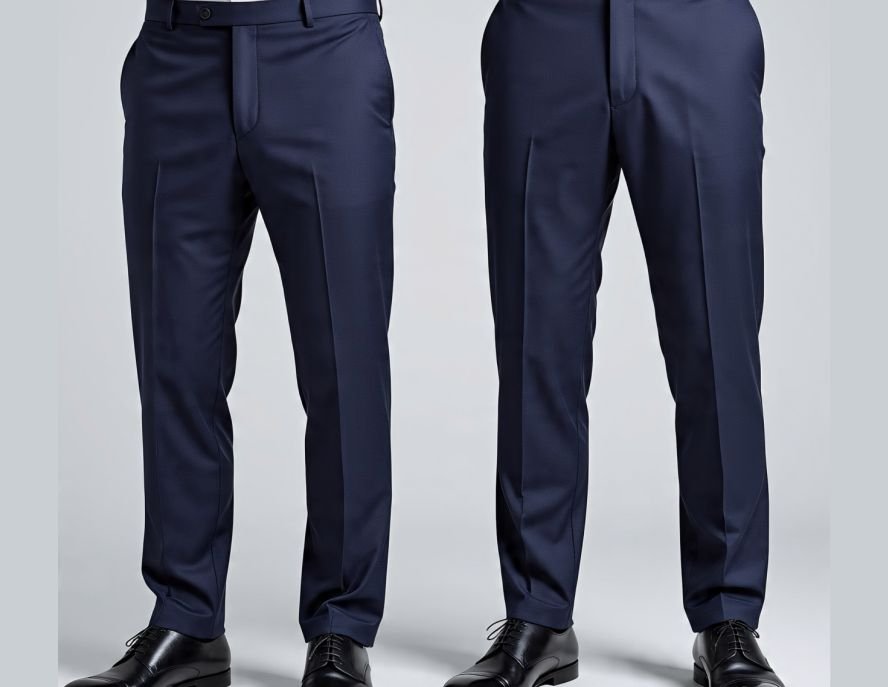
Popular colors include black, navy, gray, and charcoal, while fabrics range from wool and wool-blends to fine cotton.
Pairing with tailored shirts, blazers, or dress shoes completes the look.
Fit is key, as trousers should sit comfortably at the waist without bunching or sagging.
These are the trousers that carry your presence into every formal or professional setting with subtle authority.
Chinos
Chinos blend casual and smart style, making them suitable for workdays, dinners, or weekend gatherings.
Lightweight cotton or cotton-blend fabrics allow comfort without losing structure, and colors like beige, navy, olive, or khaki remain timeless.
Tuck in a button-down for the office or leave a shirt untucked for casual outings.
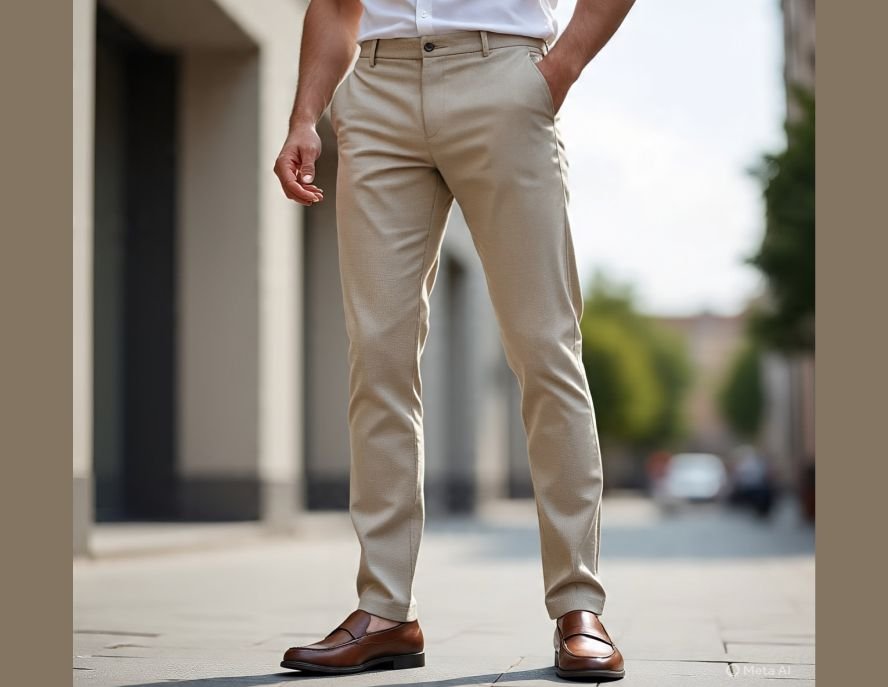
Matching with loafers, sneakers, or casual boots creates flexibility.
Proper fit ensures the chinos taper slightly toward the ankle, avoiding bagginess that undermines the look.
They are a wardrobe staple that bridges formality and relaxed style, keeping you polished and approachable across varied environments.
Recommended Posts
Men’s Denim Shorts: Types, Styling and Care
Jeans
Jeans come in a range of fits, including skinny, slim, straight, and relaxed, letting you tailor your look to the occasion and body type.
Classic washes like indigo, black, and medium blue remain versatile, while distressed or lighter washes add casual flair.
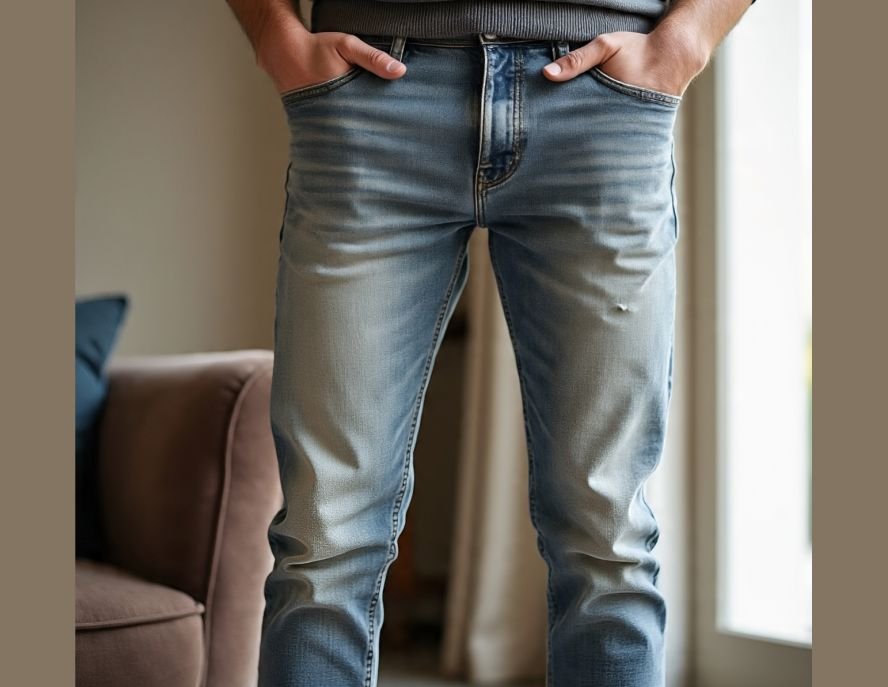
Pair darker jeans with blazers or button-downs for semi-formal looks, or match lighter washes with t-shirts and sneakers for everyday wear.
Pay attention to length and rise; they should sit comfortably at your waist and taper naturally without excess bunching.
Jeans offer durability, style, and versatility, making them a reliable choice for casual and smart-casual settings alike.
Joggers and Casual Pants
Joggers and casual pants fit into the athleisure trend while allowing everyday comfort.
Fabrics like cotton, polyester, or blended materials provide softness, stretch, and breathability.
Ribbed cuffs or tailored ankle hems prevent a sloppy look, while neutral colors like gray, black, navy, and olive offer pairing flexibility.
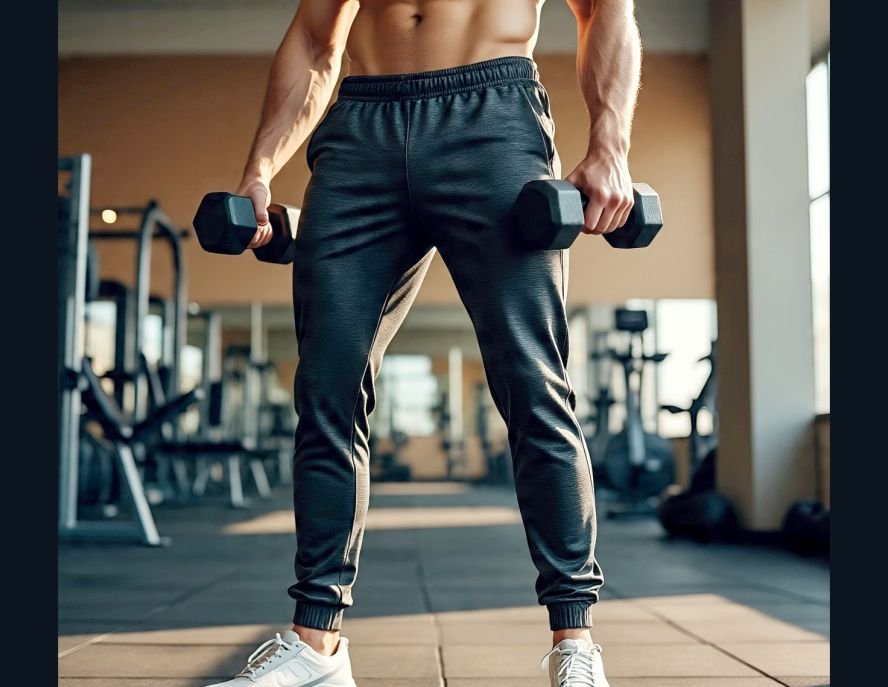
Combine joggers with clean sneakers and fitted tops for streetwear or casual weekend outfits.
Avoid overly baggy cuts and excessive patterns to maintain a balanced silhouette.
These pants let you move freely, relax, and maintain style without compromising comfort or appearance.
Shorts and Seasonal Trousers
Shorts and lightweight seasonal trousers keep you cool while staying sharp in warmer months.
Linen, seersucker, or cotton blends are breathable fabrics, and neutral or muted tones provide pairing options with polos, shirts, or casual jackets.
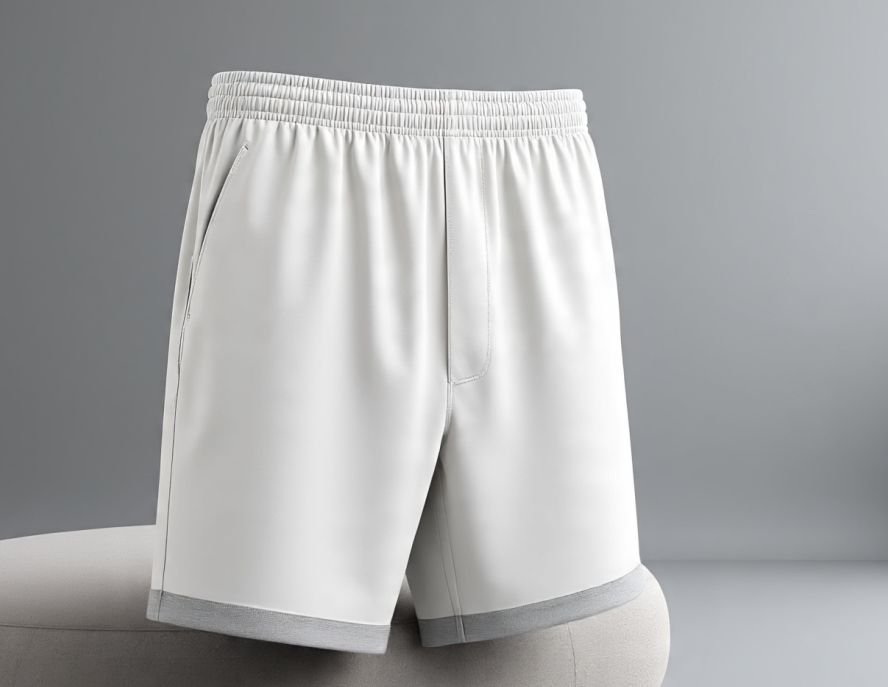
Tailored shorts hitting just above the knee avoid looking sloppy, while lightweight trousers can replace heavier pants in summer work settings.
Matching footwear to the occasion, like loafers, sandals, or sneakers, completes the outfit.
Seasonal trousers allow you to remain stylish, comfortable, and suited to heat without losing a polished edge in casual or semi-formal environments.
How to Choose the Right Fit
Getting trousers that fit well transforms how you move, feel, and look.
A proper fit balances comfort, silhouette, and style, helping you carry yourself with confidence in any setting.
Learning how to measure, identify fit styles, and make adjustments ensures that every pair works for your body and lifestyle.
Understanding Trousers Measurements
Trousers measurements cover the waist, inseam, rise, thigh, and leg opening, each influencing comfort and appearance.
Measure your waist at the narrowest point, inseam from crotch to ankle, and rise from crotch to waistband top.
The thigh and leg openings determine tapering and movement ease.
Accurate measurements prevent sagging, pinching, or excess fabric, ensuring trousers sit and fall correctly.
Using a soft tape and standing naturally gives the most reliable results.
Keeping these measurements in mind when shopping or ordering online saves time and ensures your trousers match your body’s shape, height, and posture.
Fit Styles Explained
Different fit styles suit various builds and purposes. Slim fit hugs the body without restriction, ideal for lean builds or modern office looks.
Regular fit balances shape and comfort, perfect for everyday wear.
Relaxed fit offers extra room in thighs and seat, suited for athletic or taller frames.
Tapered fit narrows toward the ankle, giving a clean, tailored look without tightness.
Matching fit style to body type and activity ensures trousers flatter your frame while allowing ease of movement, keeping you comfortable during work, casual outings, or long hours on your feet.
Tailoring Tips
Adjusting trousers through tailoring transforms even an off-the-rack pair into a sharp, polished garment.
Minor adjustments like shortening hems, taking in the waist, or tapering legs can make a big difference.
DIY alterations work for simple tasks, but professional tailoring ensures precision and clean finishes, especially for complex adjustments or high-quality fabrics.
Pay attention to waistband alignment, break length, and seat fit.
Well-tailored trousers should sit naturally without bunching or pinching.
Investing in proper tailoring enhances comfort, improves appearance, and makes trousers last longer, helping you maintain style and confidence across multiple outfits and occasions.
Fabric Guide for Men’s Trousers
Choosing the right fabric affects how trousers feel, look, and perform.
Fabrics influence comfort, durability, and the occasions you can wear them for.
Knowing the strengths and limitations of cotton, wool, linen, denim, and blends helps you pick trousers that fit your lifestyle and climate, while keeping your style polished and functional.
Cotton
Cotton trousers provide breathability and comfort, making them ideal for casual and smart-casual settings.
Lightweight and durable, they handle daily wear well and are easy to wash at home, though repeated machine drying may shrink or fade the fabric.
Cotton comes in chinos, twills, and casual trousers, offering a range of textures and colors.
Pair cotton trousers with casual shoes, sneakers, or loafers, depending on the occasion.
Layering with jackets or light sweaters works well for transitional seasons.
Attention to fit ensures the natural softness of cotton doesn’t appear baggy or sloppy.
Wool
Wool trousers are classic choices for dressier occasions and seasonal wear.
They drape naturally, resist wrinkles, and provide warmth in cooler months.
Fine wool or wool-blends suit offices, formal events, and semi-formal settings, often found in pleated or flat-front designs.
Care includes gentle brushing, air-drying, and occasional professional cleaning to maintain texture and color.
Darker shades like navy, charcoal, and black remain versatile, while lighter grays can brighten a professional wardrobe.
Wool pairs well with dress shoes, leather belts, and blazers, offering a polished look that communicates professionalism without effort.
Linen
Linen trousers excel in summer for breathability and relaxed comfort, though the fabric wrinkles easily.
Wrinkle management through proper fit, folding, or light ironing ensures a clean appearance.
Linen works well with casual or smart-casual outfits, paired with polos, short-sleeve shirts, or lightweight jackets.
Light, neutral tones like beige, khaki, or cream keep the outfit fresh, while relaxed tailoring balances linen’s natural softness.
Care involves gentle washing and air-drying to avoid shrinkage.
Linen trousers let you stay cool while maintaining a sophisticated, intentional look for warm-weather settings and outdoor events.
Denim
Denim trousers cover multiple cuts and washes, from skinny and slim to straight and relaxed fits.
Dark indigo and black washes lean more formal, suitable for casual offices or evening outings, while lighter or distressed washes are ideal for weekends and casual events.
Denim pairs easily with t-shirts, shirts, jackets, and sneakers or boots.
Thick, raw denim may require break-in for comfort, whereas softer washes offer immediate wearability.
Attention to fit at the waist, seat, and legs ensures denim looks intentional rather than sloppy. Jeans are durable, stylish, and functional for everyday wear.
Synthetic & Blends
Blended fabrics, including polyester, elastane, or cotton-synthetic mixes, offer stretch, durability, and easy care.
Stretch blends improve comfort for active days, sitting, or commuting, while polyester adds wrinkle resistance and longevity.
Some blends may feel less breathable than natural fabrics, so consider climate and activity when choosing them.
Blended trousers often combine structure with ease of movement, suitable for office, travel, or casual-smart outfits.
Care is usually simple, with machine washing and low-heat drying, but always check labels.
Blends can be highly practical, providing a balance between comfort, shape retention, and everyday wear.
Styling Men’s Trousers
How trousers are styled affects your overall appearance and confidence.
Choosing the right tops, shoes, accessories, and layering options ensures your outfit looks intentional, balanced, and suited to the occasion.
Matching Tops and Shirts
Pairing trousers with the right top changes the tone of your outfit.
Casual trousers work well with polo shirts, t-shirts, or lightweight sweaters, while dress trousers pair naturally with button-down shirts, blazers, or formal jackets.
Pay attention to color and pattern balance; solid trousers allow bolder patterns on tops, while patterned trousers require muted or complementary colors.
Layering shirts with jackets or sweaters adds depth, keeping proportions balanced.
Proper coordination ensures comfort and style flow together, whether you’re heading to work, a weekend brunch, or a casual evening out.
Footwear Pairing
Shoes complete the look, and matching them to your trousers affects both fit and style.
Dress shoes, loafers, boots, and clean sneakers each create a different impression.
The length and break of your trousers should align with the shoe type; tailored trousers work best with dress shoes, slightly cropped chinos pair with loafers or sneakers, and relaxed pants complement casual boots.
Leather, suede, or canvas textures further influence the outfit, creating cohesion between your lower half and the rest of your look.
Choosing shoes that suit the occasion ensures you feel confident and polished.
Accessories and Belts
Belts and accessories tie your outfit together. Belt width should match your trousers’ style and the formality of the occasion, while color coordination with shoes adds consistency.
Watches, cufflinks, and subtle jewelry enhance formal outfits without overwhelming the look.
Consider textures and metals, keeping them aligned with the overall style.
Accessories can also correct minor proportions; a slim belt complements tapered trousers, while a slightly wider belt works for relaxed fits.
Thoughtful choices in accessories add personality, sophistication, and cohesion to your outfit, making every detail feel deliberate.
Seasonal Styling
Different seasons call for changes in fabrics and layering.
Summer trousers in linen or lightweight cotton pair with breathable shirts, polos, and unlined jackets, while winter options in wool or blends combine with sweaters, coats, or structured jackets.
Layering maintains comfort without compromising silhouette or style, and choosing lighter or darker tones helps create visual harmony.
Paying attention to fabric thickness, shoe style, and outerwear ensures trousers look appropriate for the temperature and occasion.
Seasonal styling keeps your wardrobe practical and stylish, letting your outfits function seamlessly across work, casual, and social settings.
Trousers Maintenance & Care
Proper maintenance keeps your trousers looking sharp, lasting longer, and retaining shape.
Learning washing, ironing, and storage techniques for different fabrics ensures comfort, durability, and style for every occasion.
Washing & Drying Tips
Different fabrics need tailored care. Cotton trousers can usually be machine-washed on gentle cycles and air-dried to prevent shrinkage, while wool or wool-blends benefit from cold hand washes or professional cleaning.
Linen requires careful washing to avoid excessive wrinkles, and synthetic blends often tolerate machine washing with low heat.
Always check care labels, separate colors, and avoid overloading machines.
Drying on hangers or flat surfaces preserves shape, preventing creases or distortion.
Proper washing habits maintain fabric integrity, softness, and color, keeping your trousers wearable and sharp for repeated use.
Ironing & Steaming
Ironing and steaming help trousers maintain a crisp, polished look.
Wool and wool-blends need low to medium heat with a pressing cloth to avoid shine, while cotton and linen handle higher temperatures.
Steaming works for delicate fabrics, removing wrinkles without flattening the texture.
Pay attention to creases on the front and back of legs, and avoid pressing over buttons or seams.
Ironing in sections prevents stretching and uneven lines.
Regular care keeps the silhouette sharp, ensures proper fall, and presents a polished appearance for work, events, or casual occasions, reflecting attention to detail in your style.
Storage
How trousers are stored affects their longevity and appearance.
Hanging on sturdy hangers with clips or bars keeps pleats and creases intact, while folding can work for casual fabrics like cotton or linen.
Rotate trousers to prevent excessive wear in one area, and use breathable garment bags for delicate materials.
Avoid cramped spaces, which can create unwanted wrinkles, and store items away from direct sunlight to prevent fading.
Organized storage makes selection easier, protects fabric from damage, and helps maintain shape, ensuring your wardrobe remains functional, tidy, and ready to wear whenever you need a sharp, confident look.
Common Trousers Mistakes Men Make
Wearing trousers incorrectly can ruin an outfit, reduce comfort, and undermine confidence.
Recognizing common errors helps you adjust fit, fabric, length, and accessories for a polished appearance.
Wrong Fit
Choosing trousers that are too tight or too loose affects movement, posture, and style.
Ensure waist, seat, and leg measurements match your body for comfort and balance.
Poor Fabric Choice
Using the wrong fabric for the season or occasion can feel uncomfortable or look sloppy.
Match fabric type to climate, activity, and event for better results.
Ignoring Proper Length
Trousers that are too long or too short disrupt the silhouette and proportion.
Pay attention to the break and hemline to maintain clean lines and visual balance.
Mismatching Shoes or Accessories
Clashing shoes, belts, or other accessories reduces cohesion. Coordinate colors, textures, and styles to ensure trousers blend seamlessly with your outfit’s overall look.
Conclusion
Trousers shape how your outfit feels and moves with you, influencing confidence, comfort, and style.
Choosing the right type, fabric, fit, and accessories ensures versatility across occasions.
Paying attention to measurements, tailoring, and care preserves your wardrobe and keeps every pair looking sharp.
Seasonal choices, layering, and pairing with shoes or belts refine your overall appearance, while avoiding common mistakes prevents sloppy or mismatched looks.
With the guidance from this trousers guide, every outfit can work with your daily life, reflecting thoughtfulness, movement, and style.
Your wardrobe becomes practical, functional, and ready for any setting or event.
Frequently Asked Questions
What Are the Best Fabrics for Men’s Trousers?
Cotton offers breathability and casual comfort, wool suits formal settings, linen keeps you cool in summer, denim works for casual wear, and blends add stretch and durability.
How Should Trousers Fit at the Waist and Legs?
The waistband should sit comfortably without pinching, thighs and seat should allow movement, and legs should taper naturally to prevent bagginess or excessive tightness.
How Do I Pair Trousers with Shoes and Accessories?
Coordinate trousers with shoes, belts, and watches. Dress shoes with dress trousers, loafers with chinos, sneakers with casual pants, and matching colors create a cohesive outfit.
How Often Should I Wash and Iron My Trousers?
Washing depends on fabric and use; delicate fabrics need gentle or professional cleaning. Iron or steam to maintain shape and sharp creases, preserving fit and style.
References
- The Ultimate Guide to Men’s Bottom Wear: From Denims to Joggers
- A Comprehensive Guide on Men’s Trousers
- How to Find the Perfect Men’s Pants, According to Experts

Pyo Merez is a men’s lifestyle enthusiast and writer about the gentleman’s place and impact on society. Raised by a distinguished gentleman dad, he offers unique insights into how the mind of a gentleman works and how societal norms shape gentlemen’s identity and vice versa.
Through his insightful articles, Pyo taps into the depths of gentleman culture to provide perspectives on etiquette and manners in modern society.