

Men’s Oxford shoes keep you looking polished, feeling comfortable, and stepping boldly into work dinners and everything in between.
When it comes to men’s shoes, the Oxford stands out.
When you choose men’s Oxford shoes, you choose a style with history and purpose.
These shoes, first made in 19th-century Scotland and Ireland, were designed for formal occasions and spoke of status and taste.
Over time, they left the halls of the wealthy and became part of every man’s wardrobe.
You can wear them to meetings, weddings or smart casual events without losing style.
From classic cap toe to bold wingtip, each style offers character while keeping the clean closed lacing that defines Oxfords.
The right fit gives comfort and sharp lines while proper care keeps the leather rich and strong.
This guide helps you pick, wear and care for Oxford shoes with confidence so they serve you well for years.
What Are Men’s Oxford Shoes?
Men’s Oxford shoes are formal dress shoes with a closed lacing system, low heel, and sleek shape, designed for a polished look suitable for business, formal, and smart occasions.
Their closed lacing system creates a sleek, structured look perfect for formal events, professional settings, and refined evenings out.
They have a long-standing place in men’s fashion.
They combine tradition, style, and function, making them a trusted choice for formal and smart occasions.
Brief History of Oxford Shoes: Origin and Evolution from 19th-Century Scotland and Ireland to Modern Styles
Oxford shoes trace their roots to Scotland and Ireland in the early 19th century.
They gained their name from Oxford University, where students wore a half-boot called the Oxonian.
Gradually, the design shifted to a low-cut shoe with a closed lacing system, which gave it a clean and structured appearance.
By the late 1800s, Oxfords became a symbol of polished style in Britain and soon spread internationally.
Today, they are worn by men who value timeless fashion and dependable craftsmanship.
This journey from student footwear to a global style icon shows how tradition and refinement can blend seamlessly, making Oxfords an enduring part of formal and semi-formal wardrobes.
Why Oxford Shoes Remain Timeless in Men’s Fashion
You choose Oxford shoes because they offer a clean silhouette that pairs well with suits, tuxedos, and even smart casual outfits.
Their design suits various formal settings without looking outdated.
The structured lacing, quality leather, and balanced shape make them adaptable to both professional and ceremonial occasions.
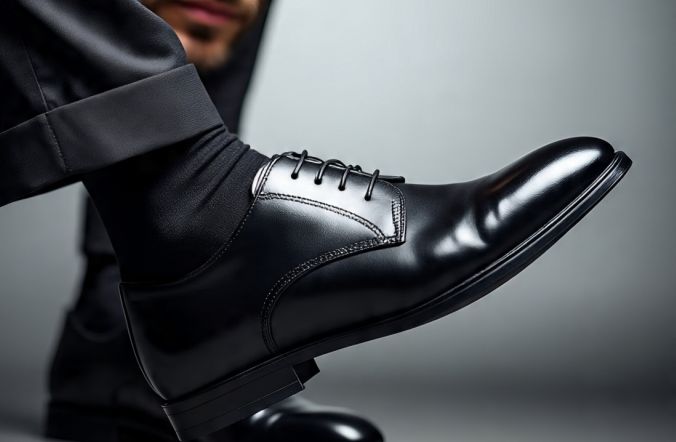
This consistency in style over decades means you can invest in a pair knowing they will not fall out of fashion.
Oxfords are also available in different finishes and colours, allowing you to select a pair that reflects your personal style while maintaining classic appeal.
Wearing them is not about following trends but about trusting a shoe that has proven its place in men’s wardrobes.
Related Posts
Casual Shoes Guide for Modern Men
Men’s Shirts: Types, Fits and Fabrics
Difference between Oxford Shoes and Derby Shoes
The main difference lies in the lacing. Oxfords have a closed lacing system, while Derby shoes feature open lacing where the eyelet tabs are sewn on top of the vamp.
This makes Derbies slightly more relaxed in appearance and fit, while Oxfords maintain a more structured and formal look.
Derby shoes allow more room across the instep, which can make them more comfortable for wider feet, but they lack the refined shape that makes Oxfords ideal for formal wear.
If you want a shoe that signals professionalism and style in business or ceremonial settings, Oxfords will be your go-to choice.
| Feature | Oxford Shoes | Derby Shoes |
|---|---|---|
| Lacing System | Closed lacing; eyelet tabs stitched under the vamp | Open lacing; eyelet tabs sewn on top of the vamp |
| Appearance | More structured, sleek, and formal | Slightly relaxed, less structured, more casual-leaning |
| Formality Level | Ideal for business, professional, and ceremonial wear | Suitable for smart-casual and semi-formal outfits |
| Fit & Comfort | Snug fit; less room over the instep | More room across the instep; better for wider feet |
| Overall Impression | Refined and polished look | Practical, comfortable, and versatile |
When to Wear Men’s Oxford Shoes
You reach for the men’s Oxford shoes when you want a sharp, polished impression that signals confidence and intention.
Their structure, clean lines, and timeless shape make them reliable for settings where appearance matters.
These shoes move smoothly from strictly formal moments to refined casual style when paired with the right colors, materials, and outfits that balance presence and ease.
Formal Occasions
Oxford shoes shine in settings that demand clean structure and elegance.
Black cap-toe styles pair well with tuxedos and dark suits, making them perfect for galas, black-tie events, and formal ceremonies.
Their closed lacing creates a sleek silhouette that supports a composed look.
You choose Oxfords when you want your footwear to show discipline, intention, and respect for the dress code without drawing unnecessary attention.
Business Settings
In professional environments, men’s Oxford shoes project competence and steady confidence.
They pair smoothly with corporate suits and give your outfit a balanced, structured finish that suits meetings, presentations, and interviews.
Brown, black, and burgundy tones all work in the office, depending on your suit color.
Their clean lines help you appear prepared and coordinated.
When the goal is a reliable business presence, Oxfords deliver the look with ease.
Weddings and Special Events
Weddings call for a polished appearance that complements the celebration, and Oxfords meet that need with strong, refined style.
Dark leather designs fit formal ceremonies, while lighter browns or polished burgundy pairs suit semi-formal or outdoor weddings.
Their smooth profile matches tailored suits and ensures your footwear supports the occasion’s tone.
You show respect for the setting when you step into Oxfords on special days.
Elevated Casual Looks
Oxfords can move into elevated casual outfits when you choose lighter tones, suede finishes, or softer details.
They pair well with chinos, tailored trousers, and smart knitwear.
This balance keeps your look refined without feeling too rigid.
When you want a relaxed outfit with a touch of polish, Oxfords help you achieve that middle ground.
They bring structure while allowing your overall style to stay approachable and clean.
Types of Men’s Oxford Shoes
Oxford shoes come in a variety of styles, materials, and colours to suit different occasions.
Knowing these options helps you select the right pair that matches your outfit and the setting.
Plain-Toe Men’s Oxford Shoes
Plain-toe Oxfords have a smooth front without extra stitching or decoration, giving them a clean and understated look.
They are ideal for the most formal events where a refined, simple appearance is preferred.
A black leather plain-toe Oxford pairs perfectly with a tuxedo or a dark formal suit.
Because they have no additional design elements, they let the shape and shine of the shoe stand out.
They are also a good choice when you want your footwear to complement rather than compete with the rest of your outfit.
This makes them a reliable option for black-tie events, important ceremonies, and traditional formal gatherings.
Cap-Toe Oxford Shoe
The men’s cap-toe Oxford shoe feature an extra piece of leather stitched across the toe, adding subtle visual interest while maintaining formality.
They are a popular choice for business attire, especially in black or dark brown leather.
The added detail makes them slightly less formal than plain-toe Oxfords but still appropriate for professional and semi-formal settings.
You can pair them with a suit for the office or with tailored trousers and a blazer for a polished, confident look.
This style works well for daily professional wear, giving you a balance between style and tradition without looking too casual or overly decorative.
The Men’s Wingtip or Brogue Oxford Shoe
The wingtip men’s Oxford shoe, also known as brogues, has decorative perforations along the seams and a pointed toe cap with extensions that resemble wings.
They offer a stylish mix of formality and personality, making them perfect for smart casual occasions.
You can wear them with a sports coat, chinos, or even dark jeans for a relaxed yet refined appearance.
While not suited for the most formal events, they bring character to less strict dress codes.
Brown and tan shades are especially popular, adding warmth and texture to your outfit.
These shoes work well when you want a touch of flair without sacrificing class.
The Wholecut Oxford Shoe
The men’s wholecut Oxford shoes are crafted from a single piece of leather, with minimal stitching for an uninterrupted, smooth surface.
This construction requires skilled craftsmanship and high-quality leather, resulting in a refined, streamlined shoe.
Wholecuts work well in both formal and upscale casual settings, pairing easily with suits and tailored evening wear.
Their sleek appearance makes them a favourite for men who prefer understated sophistication.
Because the leather surface is uninterrupted, maintaining a high polish is important to keep it looking sharp.
Black is the most formal choice, but deep browns and burgundy tones can add richness and depth to your wardrobe.
The Men’s Saddle Oxford Shoe
The men’s saddle Oxford shoe stands out for its contrasting leather panel across the midfoot, known as the saddle.
This feature adds visual interest and a touch of personality.
Originally popular in American collegiate style, they have a more casual feel than other Oxford types.
They pair well with lighter suits, sport coats, and even some casual trousers.
Colour combinations like black and white or brown and tan make them a statement piece.
While they may not fit into strict formal dress codes, they are perfect for semi-formal and smart casual occasions where you can express your style more freely.
Material Choices for Oxford Shoes for Men
The material of your Oxford shoes shapes their look, comfort, and lifespan.
Understanding the strengths of each option helps you choose a pair that suits your style and the occasions you attend.
Leather
Leather remains the classic choice for Oxford shoes because it combines durability with timeless appeal.
Full-grain leather is the most robust and develops a rich patina over time.
Calfskin offers a softer feel and smoother surface, making it comfortable for regular wear while still looking refined.
Patent leather stands out with its glossy finish, ideal for black-tie events and occasions where you need a sharp, formal presence.
Each type of leather reacts differently to polishing and conditioning, so caring for it properly is key to keeping the shoes in good condition.
By choosing the right leather, you balance formality, comfort, and long-term wear, ensuring your Oxfords maintain their quality for years.
Suede
Suede offers a softer texture and a more relaxed appearance compared to polished leather.
It works well for smart casual outfits and occasions that do not require strict formality.
Because suede is more delicate, it requires extra care to avoid stains and water damage.
Using a suede brush regularly keeps the nap looking fresh, while protective sprays help guard against moisture.
Lighter shades of suede can be paired with chinos, tailored trousers, or even dark jeans for a refined yet approachable style.
If you want Oxfords that add texture and variety to your footwear collection, suede is an excellent choice.
Exotic Skins
Exotic skins bring a distinct texture and luxury to men’s Oxford shoes.
Alligator leather has a bold, patterned grain, while ostrich skin features natural dotted markings.
These materials are highly durable and immediately stand out, making them suitable for special occasions or statement outfits.
Because they are rare and expensive, they require professional care to preserve their look and structure.
Wearing exotic skin Oxfords signals a taste for craftsmanship and exclusivity, so they work best when paired with tailored clothing that complements their premium finish.
If you choose this material, focus on subtle styling so the shoes remain the focal point of your outfit.
Colour Options
The colour of men’s Oxford shoes can change the tone of your outfit and determine how formal it looks.
Knowing the right shade for each setting helps you wear them with confidence.
Classic Black
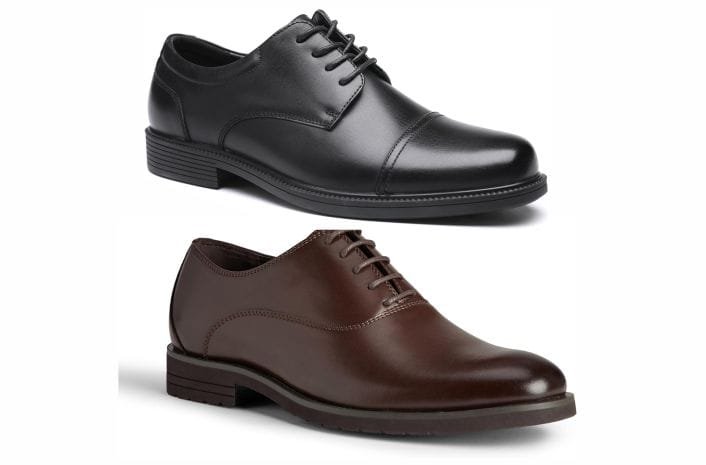
Men’s black Oxford shoes are the most formal option and the safest choice for events that require a polished, traditional appearance.
They pair perfectly with tuxedos, dark suits, and business attire.
Because of their formal nature, they are ideal for weddings, black-tie events, and important meetings.
The simplicity of black allows them to match almost any suit colour, though they look sharpest with navy, charcoal, or black clothing.
Keeping them well-polished is key to maintaining their professional appearance.
If you own just one pair of Oxfords, black is the colour that will serve you across the most formal occasions without clashing with your outfit.
Brown Shades
Brown Oxfords offer flexibility across professional, semi-formal, and smart casual outfits.
Lighter shades like chestnut work well with light grey or navy suits, especially during warmer months.
Walnut is a warm mid-tone that balances formality and style, making it a great all-rounder.
Dark chocolate shades pair nicely with autumn and winter attire, adding depth to heavier fabrics.
Brown shoes age beautifully, often developing a richer patina with wear.
They can also be worn with chinos or tailored trousers for a less formal yet refined look.
A well-chosen brown shade can become one of the most worn pairs in your wardrobe.
Burgundy or Oxblood
Burgundy and oxblood Oxfords offer a bold yet refined alternative to traditional colours.
These deep red tones work well with navy, grey, and charcoal suits, adding a subtle statement without overpowering your outfit.
They are a great choice for business settings where black might feel too strict but brown too casual.
The richness of the colour pairs well with autumn and winter fabrics like tweed or flannel, while still being appropriate year-round.
Regular polishing is important to maintain their depth and shine.
Burgundy and oxblood shoes show confidence in style while staying within the boundaries of classic menswear.
Modern Colors
Modern colour choices such as navy, grey, or even two-tone designs bring a contemporary edge to Oxford shoes.
These are best suited for semi-formal or casual events where you can experiment with style.
Navy works well with lighter suits, while grey can complement monochrome outfits.
Two-tone styles can pair with sport coats or patterned trousers for a more playful approach.
While they may not be right for formal events, they offer an opportunity to express personality and creativity.
The key is to balance these colours with simple, well-tailored clothing so the shoes remain the focal point of your look.
Oxford Shoe Sizing for Men
Getting the size right makes all the difference in how your Oxfords feel and last.
Knowing how width and length work together, and understanding size conversions, helps you choose with confidence.
Width and Length
When fitting Oxfords, many focus only on length, but width is equally important.
A shoe that is too narrow can pinch and cause discomfort, while one that is too wide may allow slipping at the heel.
Width determines how the shoe supports your foot throughout the day.
Men’s Oxford shoes with a closed lacing system offer less flexibility for adjusting fit, so starting with the right width is key.
Try on different widths when available, and look for a snug fit that still allows your toes to rest naturally.
Paying attention to width prevents foot strain and ensures your shoes remain comfortable during long hours of wear.
UK vs US Sizing Differences
Oxford shoe sizes in the UK and US systems are not the same. UK sizes generally run about one size smaller than US sizes.
For example, a UK size 9 is roughly equal to a US size 10.
Knowing your size in both systems is important, especially if you buy shoes from international brands or online retailers.
Some makers list both measurements, but not all do, so check the sizing chart before ordering.
This small step helps you avoid returns, saves time, and ensures the Oxfords you choose will fit properly from the start.
The Try-On Process
Trying on Oxfords is more than slipping them on and taking a few steps.
Paying attention to how they fit in key areas will help you choose a pair that feels right from the start.
Checking Toe Room, Heel Grip, and Instep Comfort
A proper Oxford fit starts with how your foot sits inside the shoe. Toe space, heel stability, and instep comfort decide whether the pair supports your movement or causes pressure, rubbing, and long-term discomfort.
Instep Comfort: Closed lacing sits tighter across the instep. Make sure the pressure feels even, not sharp or restricting. Comfortable lacing shows the shoe shape matches your foot’s natural height and curve.
Toe Room: You need a small gap between your toes and the front of the shoe. This prevents pressure, protects your toenails, and stops your foot from sliding forward during walks.
Heel Grip: A good Oxford holds your heel firmly when you walk. It should feel secure without rubbing or lifting. Proper heel grip reduces blisters and keeps your step steady and supported.
How the Closed Lacing System of the Men’s Oxford Shoe Affects Fit
The closed lacing system of men’s Oxford shoes affects fit in ways that make accuracy essential.
Because the eyelet tabs are stitched under the vamp, the shoe cannot expand or contract much, reducing flexibility compared to derby shoes or loafers.
This design creates a sleek, formal look but demands a precise fit across the instep, where most pressure is felt.
When trying on Oxfords, lace them completely and walk around to check for tightness, rubbing, or pinching.
Any discomfort you feel at this stage is unlikely to improve because the structure does not allow significant adjustment.
The toe box and heel should feel secure without squeezing or slipping.
Choosing the correct size from the beginning ensures long-term comfort, maintains the shoe’s clean shape, and prevents issues that could make the pair difficult to wear during longer periods.
Breaking Them In
Even the best-fitting men’s Oxford shoe needs a little time to feel completely natural.
Knowing how the leather responds and taking steps to stay comfortable in the early days will help your shoes fit like they were made for you.
Leather Stretching Behaviour
Leather Oxfords tend to feel snug when new, but the fibres gradually soften and adapt to the shape of your feet.
This stretching is most noticeable across the width and instep, not the length.
Avoid buying shoes that are too tight with the hope they will stretch a full size; they rarely do.
Instead, choose a fit that feels close but not painful.
As you wear them, your body heat and movement will gently loosen the material, creating a custom feel without damaging the structure of the shoe.
Comfort Tips for the First Few Wears
Start by wearing your Oxfords indoors for short periods, allowing the leather to adapt without putting strain on your feet.
Use thin dress socks at first, as thicker socks can cause unnecessary pressure.
If you notice rubbing, a little leather conditioner can speed up softening while protecting the surface.
Rotate your shoes with other pairs to give them time to rest and hold their shape.
Gradually increasing wear time will help prevent blisters and pressure points, ensuring your Oxfords become comfortable partners for long days.
How to Style Men’s Oxford Shoes
Oxford shoes can upgrade any outfit when styled correctly.
Their closed lacing and sleek silhouette make them appropriate for formal, semi-formal, and even smart casual looks.
The key to styling Oxfords is choosing the right color, material, and shape for the occasion.
Let’s explain:
Pairing with Formal Suits
Black leather Oxfords are the go-to choice for highly formal settings with suits. See the men’s suits guide.
They complement dark suits, including navy, charcoal, and black, making them ideal for business meetings, weddings, or evening events.
Ensure the shoes are clean, polished, and the laces are neatly tied for a refined finish.
Matching a belt in a similar leather color adds cohesion. Oxford shoes’ closed lacing gives a sleek silhouette, perfect for tailored suits.
Avoid overly casual socks or trousers. For maximum formality, pair with dress trousers that break lightly over the shoes.
This combination signals professionalism, discipline, and attention to detail while maintaining timeless elegance.
Semi-formal Looks: Blazers and Chinos
Men’s Oxford shoes interact well with blazers. See the men’s blazer guide.
Brown, oxblood, or burgundy Oxfords pair well with navy or grey blazers and slim chinos for semi-formal occasions. See our guide on men’s chinos.
This look balances structure with approachability, ideal for work dinners, date nights, or networking events.
Opt for muted leather tones for a polished finish without appearing too rigid.
Roll sleeves or add subtle accessories, like a leather strap watch, to enhance style.
Chinos should be slim but not tight, complementing the sleek Oxford shape. Socks can match trousers or shoes for cohesion.
This outfit demonstrates confidence and a refined sense of style without the strict formality of full business suits.
Smart Casual Outfits: Jeans and Tailored Shirts
Brogue or suede Oxfords pair perfectly with dark denim and a crisp, tailored shirt for relaxed weekend events or casual evenings.
Slightly rolling the cuffs of your trousers draws attention to the shoes and shows intentional styling.
Avoid ripped or overly casual jeans, as they clash with the formal Oxford design.
Add a lightweight blazer or cardigan for layers, enhancing depth without reducing elegance.
Brogue detailing introduces texture, making the outfit visually interesting.
Neutral or coordinating socks create a polished finish.
Smart casual styling allows Oxfords to appear stylish and approachable while keeping a clean, structured edge.
Seasonal Styling Tips
Choose lighter shades like tan or beige for spring and summer to complement brighter tones and lighter fabrics.
Darker shades such as brown, oxblood, or black suit autumn and winter wardrobes, pairing with heavier fabrics like wool or tweed.
Coordinate sock color with trousers for a seamless flow, and consider layering with jackets or blazers appropriate for the season.
Suede Oxfords work well in dry months, while polished leather suits wetter conditions.
Seasonal styling enhances versatility and ensures Oxfords remain relevant year-round.
Properly matching colors, textures, and materials creates harmony between footwear and outfit, keeping your look sophisticated and intentional.
Caring for Your Oxford Shoes
If you want your Oxford shoes to stay sharp for years, you need to look after them.
Regular care keeps the leather in great shape and protects your investment.
Here is a simple routine you can follow without taking much time.
Daily Maintenance: Dusting and Brushing
After wearing your shoes, remove any dirt or dust with a soft shoe brush or dry cloth.
This stops particles from settling into the leather and causing small cracks.
A quick brush each day will keep the surface smooth and ready for polishing.
Weekly Care: Polishing and Conditioning
Once a week, apply a polish that matches your shoe colour to restore shine and hide light scuffs.
Follow up with a leather conditioner to keep the material soft and prevent drying.
Regular conditioning also helps the leather maintain its natural colour and texture.
Long-Term Maintenance
Maintaining Oxford shoes goes beyond regular cleaning and polishing; it involves proactive care to preserve leather, structure, and overall appearance.
Proper maintenance ensures that your investment lasts for years while keeping the shoes comfortable and visually appealing.
Establishing good habits such as storing correctly, rotating usage, and attending to repairs early prevents damage before it becomes permanent.
Regular care also enhances performance, keeps the leather supple, and preserves the sleek silhouette that defines Oxfords.
By approaching shoe care as a long-term routine rather than occasional upkeep, you protect your footwear, maintain professionalism in appearance, and ensure that your shoes remain functional and stylish for years.
Using Shoe Trees to Maintain Shape
Cedar shoe trees are essential for preserving the shape and longevity of Oxford shoes. Insert them immediately after each wear to prevent creasing and sagging in the leather.
Cedar naturally absorbs moisture from sweat, reducing odor and keeping the interior fresh.
Shoe trees also help the shoes retain their original silhouette, making them more comfortable and preventing leather from wrinkling over time.
Proper use ensures your Oxfords look polished and structured every time you wear them.
Incorporating shoe trees into your routine protects your investment, maintains the leather’s suppleness, and minimizes long-term deformation that can ruin the aesthetic of formal footwear.
Rotating Shoes to Prevent Wear
Avoid wearing the same pair of Oxfords on consecutive days to allow the leather to dry naturally and maintain structural integrity.
Rotation gives each pair time to recover from the moisture, pressure, and natural stress of walking.
Wearing different shoes spreads out the wear across your collection, prolonging the life of each pair.
Consistent rotation also reduces sole compression, prevents creasing, and ensures the leather remains flexible and resilient.
A rotation schedule improves comfort, reduces odor buildup, and keeps your shoes looking fresh.
This practice is critical for anyone who relies on Oxfords as a daily staple in work, formal, or social settings.
Professional Resoling and Repair
Timely repair is vital for extending the life of your Oxford shoes.
When you notice thinning soles, worn heels, or loose stitching, consult a professional cobbler rather than delaying.
Early repairs prevent small issues from becoming larger, more costly problems.
Resoling can rejuvenate your favorite pair, restoring structural integrity and comfort while preserving the classic shape.
Cobblers can also condition leather, replace worn parts, and maintain aesthetic details like broguing or stitching.
Regular professional maintenance complements at-home care, ensuring Oxfords remain stylish, functional, and comfortable.
Investing in repairs pays off by maximizing the lifespan of high-quality shoes and protecting your footwear investment.
Storage Tips for Oxford Shoes for Men
How you store your Oxford shoes affects how long they last.
Proper storage protects them from moisture, dust, and shape loss.
By following the right steps, you can keep your shoes looking fresh and ready whenever you need them.
Avoiding Moisture Damage
Before storing your shoes, make sure they are completely dry.
Even slight dampness can lead to mould and bad odour.
If the shoes are wet, let them air dry at room temperature.
Avoid direct sunlight or heaters, as they can crack the leather.
Using Proper Shoe Bags and Boxes
Store your Oxfords in breathable shoe bags or sturdy boxes to protect them from dust and scratches.
Cloth bags allow airflow, while boxes offer extra protection when stacked or stored in closets. Keep them in a cool, dry place for best results.
Common Mistakes to Avoid with Men’s Oxford Shoes
Even the best Oxford shoes can lose their charm if you handle them the wrong way.
By avoiding these common errors, you can keep your shoes looking sharp, comfortable, and ready for any event without wasting money on early replacements.
Wearing the Wrong Colour for the Occasion
Matching your Oxford shoes to the occasion matters.
Black Oxfords are suited for formal events like weddings and business meetings, while brown or tan works better for casual or semi-formal settings.
Wearing the wrong colour can clash with your outfit and reduce your overall style impact.
Over-Polishing or Neglecting Leather Care
Too much polish can build up and make leather lose its natural look.
On the other hand, skipping care causes dryness and cracks.
Aim for a balanced routine with weekly polishing and occasional conditioning to maintain the leather’s flexibility and shine.
Buying Poor-Quality Oxfords That Cannot Be Repaired
Cheap Oxfords may look good at first, but they often use weak materials that wear out quickly and cannot be resoled.
Invest in well-made shoes with stitched, not glued, soles so you can repair them when needed and enjoy them for many years.
Conclusion
Men’s Oxford shoes remain a cornerstone of refined style, combining tradition with lasting appeal.
Choosing the right pair begins with understanding the different styles, from plain-toe to wingtip, and matching them to the occasion.
A proper fit ensures comfort and a confident stride, while consistent care preserves both look and structure for years.
Investing in quality materials allows for repairs and prolongs the life of your shoes, making them a smart wardrobe choice.
Whether for formal events, business meetings, or polished smart-casual outfits, Oxfords offer a dependable balance of elegance and function.
With the right knowledge, your pair can remain a stylish companion for many seasons to come.
Frequently Asked Questions
What makes men’s Oxford shoes different from other dress shoes?
Oxford shoes feature a closed lacing system that creates a sleek shape. This gives them a more formal and structured look compared to Derby or loafer styles.
Can you wear Oxford shoes with jeans?
Yes, brogue or wingtip Oxford shoes pair well with dark slim jeans. They create a smart casual look perfect for dinners, casual meetings and evening events.
How long should a quality pair of Oxford shoes last?
With regular cleaning, conditioning, shoe tree use and resoling, well-made Oxford shoes can easily last ten years or longer while keeping their shape and comfort intact.
Are suede Oxford shoes suitable for formal occasions?
Suede Oxfords work best for smart casual events. They lack the shine of polished leather and are not suited for black tie or strictly formal gatherings requiring gloss.
References

Pyo Merez is a men’s lifestyle enthusiast and writer about the gentleman’s place and impact on society. Raised by a distinguished gentleman dad, he offers unique insights into how the mind of a gentleman works and how societal norms shape gentlemen’s identity and vice versa.
Through his insightful articles, Pyo taps into the depths of gentleman culture to provide perspectives on etiquette and manners in modern society.