
Learn how to pick a suit that fits perfectly so every shoulder line, sleeve break, and silhouette works in your favor.
Why fit matters more than brand or price comes down to one thing: how the suit sits on your frame.
Designer labels cannot fix sloping shoulders, pulling buttons, or sleeves that swallow your hands.
The real difference between “wearing a suit” and looking sharp in one is shown in the jacket drape, trouser length, and clean lines across your chest.
When the shoulder seam aligns, the waist tapers right, and the trousers break neatly over your shoes, confidence follows naturally.
This guide will help you avoid baggy shoulders, tight jackets, and pooling trousers, while showing you how tailoring, measurements, and proper alterations shape a polished, masculine silhouette.
Table of Contents
Understand Suit Fit Types Before You Shop
Knowing how different suit fits change your look makes shopping easier and helps you choose a style that complements your body naturally.
Each fit shapes your shoulders, chest, and waist differently, so picking the right one matters more than brand or price.
Classic Fit
A classic fit offers a relaxed cut, giving extra room through the chest, waist, and arms, making it ideal for broader body types.
Comfort remains the priority, so you can move freely, sit without pulling at the jacket, and wear layers underneath without sacrificing shape or lines.
Slim Fit
Slim fit suits feature a tapered silhouette that hugs the body closer at the chest, waist, and sleeves.
Perfect for lean or athletic builds, this fit sharpens your profile, keeps your silhouette clean, and ensures the jacket doesn’t hang loosely or look boxy.
Modern Fit
Modern fit strikes a balance between classic and slim, combining structure with subtle tapering.
Suited for most body types, it creates a sharp appearance without feeling restrictive, making it a flexible choice if you want a polished look without committing to extreme slimness.
The Most Important Rule: Shoulder Fit Comes First
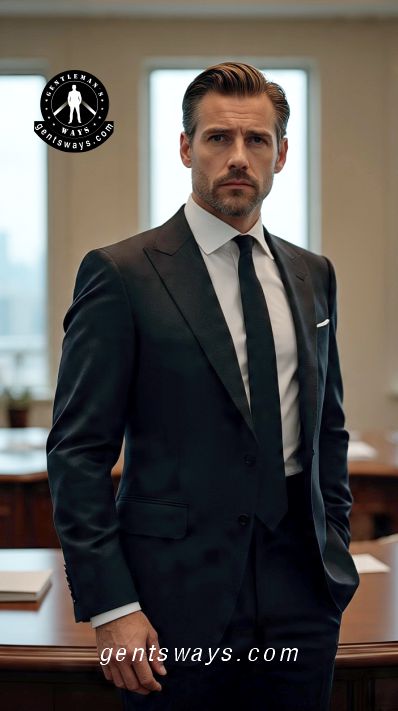
The shoulders set the foundation for the entire suit, affecting the jacket’s drape, sleeve length, and overall silhouette.
Getting this right makes the suit look tailored, while mistakes are difficult to fix.
Why Shoulders Cannot Be Easily Altered
The shoulder structure is built into the jacket, so changes require major tailoring that often fails to look natural.
Adjusting seams or padding can distort the jacket’s shape, leaving uneven lines or stiff shoulders.
Choosing the right shoulder fit from the start saves time, money, and ensures a sharp appearance without compromises.
Signs the Shoulders Fit Correctly
Proper shoulder fit means the seam sits exactly at the edge of your natural shoulder, following your bone structure.
The jacket drapes smoothly without folding or sagging, and the sleeves hang straight.
Check movement, making sure the fabric stays in place when you lift your arms.
No Overhang
A jacket should not extend past your natural shoulder line, which creates a boxy, sloppy look.
Smooth edges without overhang maintain clean lines from shoulder to sleeve, making the suit appear tailored even if no other alterations are done.
No Pulling or Divots
The chest and back should lie flat, with buttons closing easily without strain.
Divots or wrinkles near the shoulder seam indicate tension or excess fabric, signaling the jacket will distort when you move or sit.
What a Poor Shoulder Fit Looks Like
Shoulders that droop, bulge, or extend beyond your frame make the suit look cheap or ill-fitting.
Wrinkles, sagging, and uneven sleeve alignment are obvious clues, and no amount of tailoring can fully correct them without replacing the jacket entirely.
Related Posts
Blazer vs Sport Coat vs Suit Jacket
Business Casual Outfits for Men Over 50
Blazer vs Suit Jacket: What’s the Difference?
Men’s Blazers: Types By, Design, Fit, Fabric, and Occasion
Jacket Fit Breakdown (What to Check in the Mirror)
The jacket sets the tone for your entire outfit, so small details define whether it looks sharp or sloppy.
Checking chest, length, sleeves, and collar ensures balance, clean lines, and confidence in every move.
Chest and Button Closure
The chest should close without strain, forming a smooth “X” shape without pulling across the buttons.
A jacket that sits too tight or gapes will distort your silhouette, while a slightly relaxed fit keeps the chest, waist, and lapels aligned, giving a polished, masculine appearance without restricting movement.
Jacket Length
Jacket length should follow the “hand rule,” ending around the middle of your hand when arms hang naturally.
Proper length covers your seat without overwhelming your frame, maintaining proportion between torso and legs, so the suit looks tailored and balanced in photos, meetings, or casual settings.
Sleeve Length
Sleeves should reveal ¼ to ½ inch of shirt cuff, enough to frame your wrist without exposing too much shirt.
Avoid sleeves that are too short or too long, as both create awkward breaks and draw attention away from the jacket’s fit and overall style.
Collar Fit
The collar should lie flat against your neck, hugging the shirt collar smoothly without gaps or folds.
A poorly fitting collar creates wrinkles and disrupts shoulder alignment, while a clean fit completes the suit’s structure and frames your neckline naturally.
Trouser Fit Essentials
Trousers define the lower half of your suit and complete your overall silhouette.
Checking waist, rise, taper, and break ensures balance, comfort, and a polished look from every angle.
Waist Fit
The waistband should sit comfortably without relying on a belt to hold it up, allowing natural movement while keeping the jacket aligned.
Avoid pinching or sagging, as either disrupts proportions and creates visible bulges.
A proper waist fit maintains smooth lines and supports a sharp, tailored appearance throughout the day.
Rise
The rise determines how trousers sit on your hips and affects leg length and torso proportion.
Low-rise pants can shorten the appearance of your legs and throw off your overall balance, while a balanced mid-rise works for most men, keeping your waistline aligned with the jacket’s silhouette.
Taper
Taper shapes the leg from thigh to ankle, creating a clean, straight line that avoids excess fabric bunching at the knees or calf.
Excessively tight tapering restricts movement and draws attention to problem areas, while a subtle taper maintains structure, modern style, and comfort for everyday wear or formal events.
Trouser Break
The break is where the trouser meets your shoes, and it changes the look completely.
No break creates a modern, clean edge, a slight break offers a classic, versatile style, and a full break works for formal shoes or taller frames.
Matching the break to the shoe style keeps proportions sharp and intentional.
Fabric and Structure Matter
The right fabric and jacket structure affect how a suit moves with your body, holds its shape, and frames your shoulders.
Choosing carefully impacts comfort, style, and overall appearance in every setting.
Lightweight vs. Heavier Fabrics
Lightweight fabrics like cotton or tropical wool keep you cool and flexible, ideal for warmer weather or layered looks.
Heavier fabrics such as flannel or worsted wool add warmth, structure, and formality.
Fabric choice influences how the jacket drapes, how it responds to movement, and the impression you make in professional or casual settings.
Structured vs. Unstructured Jackets
Structured jackets feature padding and internal canvas that define shoulder lines and chest shape, giving a sharp, formal silhouette.
Unstructured jackets remove most padding, creating a relaxed, softer drape while following your natural frame.
Picking the right structure depends on your body shape, posture, and how polished or casual you want to appear.
How Fabric Affects Drape and Fit
Fabric thickness and weave determine how the jacket sits on your shoulders, chest, and waist.
Smooth, medium-weight fabrics drape neatly, highlighting clean lines, while stiff or lightweight materials can create folds or sagging if not tailored correctly.
Choosing fabric that complements your build ensures comfort and sharpness at the same time.
Off-the-Rack vs. Made-to-Measure vs. Bespoke
Choosing how a suit is made affects fit, comfort, and how sharp you look.
Knowing the differences helps you pick an option that matches your body, budget, and style goals.
Off-the-Rack
Off-the-rack suits come ready-made, making them affordable and quick to buy.
Minor tailoring is usually required for a better fit, like adjusting sleeve length or trouser hem.
While convenient, these suits rely on standard sizing, so checking shoulders, chest, and waist carefully ensures the jacket doesn’t sag or pull.
Made-to-Measure
Made-to-measure suits start with a standard pattern but are adjusted for your measurements, offering better precision across chest, waist, sleeves, and legs.
The semi-custom process lets you tweak details like lapels, buttons, and jacket length, resulting in a cleaner silhouette and more comfort without the full cost or wait of bespoke.
Bespoke
Bespoke suits are fully custom, created from a unique pattern built around your body.
Every measurement, detail, and fabric choice is personalized, producing the best possible fit and drape.
While premium in price, bespoke ensures shoulders, chest, waist, and trousers align perfectly, giving unmatched style, confidence, and movement.
The Power of Tailoring
Tailoring transforms a suit, shaping it to your body and making even affordable options look polished and sharp.
Knowing what can be altered and what cannot ensures every adjustment improves fit without compromising style.
What Can Be Altered Easily
Adjustments like sleeve length, trouser length, and waist suppression are straightforward for most tailors.
Sleeves can be shortened to show the right amount of shirt cuff, trousers hemmed for the perfect break, and waistlines nipped in to create a cleaner silhouette.
These small changes dramatically improve comfort and overall appearance.
What Cannot (or Shouldn’t) Be Altered
Shoulders and significant jacket length changes are difficult and often impractical.
Altering shoulder seams can distort the jacket’s structure, creating lumps or uneven drape.
Shortening or lengthening the jacket too much throws off proportions, affecting lapels, chest alignment, and trouser harmony, which can ruin the look entirely.
Why Tailoring Elevates Even Affordable Suits
Proper tailoring gives off-the-rack suits a custom feel by aligning shoulders, adjusting sleeves, and refining the waist.
Well-fitted sleeves, trousers, and waistlines create clean lines, improve posture, and make any suit appear premium, showing attention to detail and boosting confidence without spending on bespoke options.
Common Suit Fit Mistakes to Avoid
Even small errors can make a suit look sloppy, so spotting and correcting fit mistakes keeps your style sharp, balanced, and confident from head to toe.
Buying Too Tight for a “Slim” Look
Choosing a jacket that’s too tight compresses your chest and waist, creating pulling at buttons, restricted movement, and an unnatural silhouette that draws attention for the wrong reasons.
Ignoring Sleeve Length
Sleeves that are too long or short throw off proportions, hide or overexpose your shirt cuff, and make even an expensive jacket appear poorly fitted and sloppy.
Wearing Trousers Too Long
Excessively long trousers create bunching at the ankles, cover your shoes, and ruin the line from waist to foot, making legs appear shorter and unbalanced with the jacket.
Choosing Trend Over Proportion
Following trends without considering your body frame can distort your suit’s shape, highlighting awkward areas or creating an imbalance.
Proper proportions maintain a timeless, clean silhouette that suits your build.
Final Suit Fit Checklist
A final check ensures your suit looks sharp, moves with your body, and highlights clean lines.
Inspect shoulders, sleeves, jacket closure, and trouser length for a polished, confident silhouette.
Shoulders Lie Flat
The shoulder seam should sit at the natural edge of your shoulder, following the bone structure without folding or overhanging.
Flat shoulders create a strong frame, support jacket drape, and prevent lumps or sagging that ruin the suit’s overall shape.
Jacket Closes Smoothly
Buttons should fasten without strain or gaping, keeping the chest and waist aligned.
A smoothly closing jacket maintains clean lapels, straight lines, and ensures comfort while moving, sitting, or reaching.
Proper Sleeve and Trouser Length
Sleeves should show a quarter to half-inch of shirt cuff, while trousers break lightly over your shoes for balance.
Correct lengths frame your arms and legs, keeping proportions sharp and intentional.
Clean Silhouette from Every Angle
Check your reflection from the front, side, and back.
The jacket should drape naturally, the trousers hang straight, and the overall look should appear tailored, symmetrical, and confident in any position or movement.
Conclusion
A perfectly fitting suit changes how you look and feel, shaping your shoulders, chest, waist, and legs for a clean, confident silhouette.
Attention to fit beats brand or price, and small details like sleeve length, trouser break, and jacket drape define your style.
Off-the-rack options improve dramatically with minor tailoring, while made-to-measure or bespoke choices deliver precision if budget allows.
By checking shoulders, chest, sleeves, trousers, and fabric structure, and correcting common mistakes, you can ensure every suit reflects confidence, proportion, and masculinity.
A well-fitted suit communicates presence before you even speak, leaving a lasting impression.
Frequently Asked Questions
What’s the most important part of a suit to fit first?
The shoulders set the foundation, determining the jacket’s drape and silhouette. Poor shoulder fit is difficult to fix and affects sleeves, chest alignment, and overall balance.
Can off-the-rack suits ever look custom?
Yes, proper tailoring can adjust sleeves, trousers, and waist suppression, turning off-the-rack suits into polished, well-proportioned outfits without expensive bespoke construction.
How should trouser break be chosen?
Trousers should match your shoe style and the occasion. No break gives a modern look, a slight break works for everyday wear, and a full break suits formal shoes or taller frames.
Why does fabric matter for fit and style?
Fabric weight and weave affect how a jacket drapes on your shoulders, chest, and waist. Correct fabric ensures clean lines, natural movement, and a sharp, masculine silhouette.
References
- Guide to The Perfect Fitting Suit
- How A Suit Should Fit – Jacket & Dress Pants
- How to Find Your Perfect Suit Fit: A Style-First Approach

Pyo Merez is a men’s lifestyle enthusiast and writer about the gentleman’s place and impact on society. Raised by a distinguished gentleman dad, he offers unique insights into how the mind of a gentleman works and how societal norms shape gentlemen’s identity and vice versa.
Through his insightful articles, Pyo taps into the depths of gentleman culture to provide perspectives on etiquette and manners in modern society.