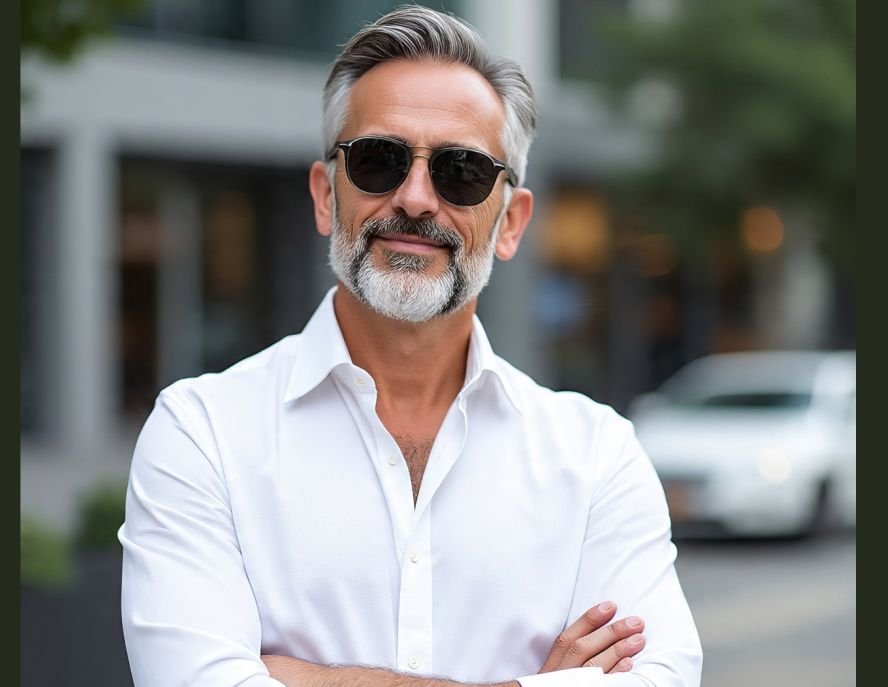
Here are 13 things older men should never wear that silently age your look and undermine your presence.
Certain clothing choices can quietly undermine men over 50, making them look older or less confident than they feel.
Baggy shirts, worn-out shoes, or mismatched accessories distract from the presence older men have earned over the years.
Even small details, like untucked shirts or outdated patterns, affect how people see you.
Paying attention to fit, style, and subtle touches can sharpen how older men are noticed in social and professional settings.
These wardrobe decisions help older men project confidence, authority, and refinement, ensuring their look matches the experience and energy they carry every day.
Table of Contents
1. Baggy Pants
Loose, sagging trousers can add bulk and make older men appear less polished.
Extra fabric hides posture and body shape, making movements seem sloppy or unintentional.
Slim or straight-leg cuts create a cleaner silhouette, highlighting natural proportions and giving balance to shoulders, waist, and legs.
Choosing the right length prevents bunching around the ankles and ensures trousers sit smoothly over shoes.
Older men who prioritize fit over comfort-only choices show awareness of style and presence.
Baggy pants may feel easy to wear, but they reduce the refined, mature image that older men want.
Pairing tailored trousers with proper shoes and belts enhances overall appearance, letting clothing support confidence and experience instead of undermining it.
Fit becomes a silent tool of authority and presence.
2. Neon or Overly Bright Colors
Neon and overly bright colors can overshadow the calm confidence older men carry.
Loud shades draw attention away from posture, grooming, and overall presence, making outfits feel out of place in social or professional settings.
Muted tones, earth colors, navy, gray, or classic shades communicate stability, elegance, and composure.
Balanced color choices highlight facial features, accessories, and natural confidence instead of competing with them.
Older men who favor subtle palettes allow clothing to reinforce presence and experience, while overly bright colors can feel juvenile or forced.
Small touches, like a well-chosen tie, pocket square, or muted shirt, create harmony without shouting for attention.
Color choices become part of an overall impression that signals style, refinement, and quiet authority naturally.
Related Posts
Business Casual Outfits for Men Over 50
Wardrobe Staples for Mature Men
Everyday Fashion for Men Over 50
Stylish Casual Outfits for Men Over 50
3. Graphic T-Shirts
Cartoon prints, logos, or bold slogans can make older men appear younger in ways that feel unintentional or sloppy.
Graphic tees rarely pair well with tailored trousers, blazers, or sophisticated casual wear, undermining polish and maturity.
Older men benefit from plain shirts or subtle patterns, which provide versatility and cohesion, letting accessories, posture, and grooming carry style.
Neutral colors or understated textures maintain sophistication while supporting layering, proportion, and outfit balance.
Graphic tees may feel comfortable, but they rarely signal experience, confidence, or presence.
Avoiding overtly casual prints preserves a clean, refined aesthetic, making interactions more intentional and age-appropriate.
Clothing choices like these reinforce awareness of context, letting older men appear confident, grounded, and naturally stylish without trying to chase youth or trends.
4. Overly Tight Clothes
Stretchy or skin-tight clothing draws attention to areas that may not flatter, making older men appear self-conscious or overly focused on appearance.
Tight garments reduce comfort, restrict movement, and create awkward lines that disrupt posture.
Comfortable, tailored fits provide structure without exaggeration, allowing the body to move naturally while projecting refinement.
Properly fitted shirts, trousers, and jackets emphasize proportion and balance, highlighting confidence and experience without appearing forced.
Older men who avoid overly tight clothing let clothing support presence rather than compete with it.
Fit communicates awareness of body, posture, and style, turning everyday outfits into statements of poise and quiet authority.
Comfort, proportion, and thoughtful tailoring ensure clothing strengthens personal image rather than undermining it.
5. Socks That Don’t Match Pants or Shoes
Mismatched or novelty socks can disrupt the clean, mature look that older men aim for.
Bright contrasts or playful patterns draw attention to lower legs and feet, breaking the visual harmony of an outfit.
Coordinating socks with shoes or trousers maintains balance and reinforces refinement, letting other details, like fit, fabric, and posture, carry the outfit.
Older men who match socks to the ensemble show awareness of proportion and subtlety, reinforcing polish and style.
Accessories, even small ones like socks, influence perception and presence.
A consistent, cohesive wardrobe, including socks, communicates reliability, attention to detail, and quiet authority.
Matching footwear and socks strengthens overall visual flow, letting posture, confidence, and grooming shine without distraction or visual clutter.
6. Running Shoes Outside the Gym
Running shoes are designed for performance, not style. Worn with casual or professional clothing, they can make older men appear sloppy or unrefined.
Footwear communicates authority, presence, and attention to detail, and athletic shoes rarely support that outside of exercise.
Leather sneakers, loafers, or minimalist casual shoes provide comfort without sacrificing style, balancing practicality with sophistication.
Older men who wear appropriate shoes for the context show awareness, maturity, and social intelligence.
Choosing footwear that complements trousers, shorts, or casual wear reinforces posture, stride, and overall presence. Even casual activities become opportunities to reinforce the image.
The right shoes strengthen confidence and polish, letting older men maintain authority and refinement without appearing disconnected from style or context.
7. Shorts That Are Too Short
Shorts that rise well above the mid-thigh can throw off proportion, making older men appear awkward or unbalanced.
Knee-length or just-above-the-knee styles maintain structure and comfort while keeping outfits age-appropriate and refined.
Fabric, fit, and cut matter more than patterns, ensuring casual wear complements posture, body shape, and presence.
Older men who choose proper lengths preserve dignity and proportion, allowing casual clothing to support confidence rather than distract.
Outfits remain approachable and polished without appearing forced or sloppy.
Thoughtful shorts create balance with shoes, torso, and accessories, reinforcing natural style.
Age-appropriate choices ensure casual looks communicate experience, self-respect, and calm authority, allowing older men to enjoy leisure while maintaining a composed, confident image.
8. Loud Accessories
Flashy watches, oversized jewelry, or gaudy belts can distract from the presence older men have built.
Accessories should complement style rather than dominate it, letting posture, grooming, and clothing carry authority and confidence.
Subtle, classic pieces like leather straps, minimalist watches, or restrained cufflinks add refinement without drawing unnecessary attention.
Older men benefit from choosing accessories that reflect experience and composure, reinforcing balance and proportion in every outfit.
Excessive or flashy items can appear youthful or careless, undermining maturity.
Thoughtful choices in belts, watches, and minimal jewelry allow older men to communicate taste, reliability, and understated elegance.
Each accessory becomes a supporting detail, strengthening overall presence and ensuring outfits feel cohesive, polished, and age-appropriate while letting personal style shine naturally.
9. Caps That Don’t Fit
Baseball hats, beanies, or casual caps that are too tight or loose disrupt the balance of an outfit, making older men appear awkward or careless.
Properly fitted hats sit comfortably without distorting facial proportions or posture.
Choosing neutral or classic colors ensures hats integrate seamlessly with casual or semi-casual attire.
Older men who wear well-fitted caps signal attention to detail and awareness of proportion, keeping style intentional rather than accidental.
Accessories like hats should enhance presence, not compete with it.
Fit, fabric, and placement matter as much as design, letting older men look composed while adding practical and stylish touches.
Correctly chosen hats reinforce posture, personal style, and subtle authority without distracting from overall appearance.
10. Overly Distressed Jeans
Ripped or heavily faded jeans can make older men appear careless or mismatched with their age.
Excessive distress draws attention away from posture, fit, and grooming, undermining the polished look mature men want.
Clean, dark-wash jeans maintain a modern edge while keeping outfits balanced, versatile, and refined.
Pairing well-fitted denim with classic shoes or layered shirts enhances proportion and presence.
Older men benefit from structured, minimal distressing or plain styles, which support confidence and maturity without feeling outdated or juvenile.
Denim choices communicate awareness of style, context, and age.
Subtle details like stitching, cut, and fabric quality ensure casual outfits reinforce composure and elegance.
Well-chosen jeans complement overall style, making older men look deliberate, sharp, and confident in everyday settings.
11. Graphic Hoodies or Sports Logos
Hoodies with large logos, team jerseys, or sports graphics can appear juvenile on older men, undermining presence and maturity.
Casual wear should provide comfort without distracting from posture, grooming, or outfit cohesion.
Neutral-colored hoodies, lightweight sweaters, or subtle textures offer a relaxed style while remaining age-appropriate.
Older men who prioritize fit, proportion, and simplicity in casual tops maintain authority and refinement in social and leisure settings.
Graphic-heavy clothing often clashes with experience, signaling youthful energy in a way that conflicts with age and presence.
Choosing classic casual wear allows older men to feel comfortable, modern, and confident without sacrificing style.
Simple layering and understated designs let personality, posture, and grooming define the outfit naturally.
12. Ill-Fitting Suits
Jackets that are too tight across the shoulders or trousers that are too long immediately age older men and disrupt authority.
Proper tailoring ensures shoulders, chest, and waist align naturally while trousers fall smoothly over shoes.
Fit impacts posture, confidence, and presence, making older men appear composed and commanding.
Choosing suits with classic cuts, minimal stretch, and age-appropriate fabrics reinforces experience, refinement, and sophistication.
Even minor adjustments, like sleeve length or trouser hem, elevate overall appearance and presence.
Older men who invest in tailored suits communicate discipline and attention to detail.
Well-fitted formalwear becomes a silent signal of authority, composure, and maturity, helping men over fifty leave lasting impressions in professional, social, and ceremonial settings.
13. Excessively Trendy Footwear
Shoes designed for teens or extreme fashion trends can clash with maturity and presence, making older men appear disconnected from their style.
Overly flashy sneakers, neon designs, or platform-heavy shoes rarely complement posture, clothing, or grooming in a balanced way.
Classic loafers, brogues, Chelsea boots, or minimalist sneakers provide comfort, versatility, and timeless appeal.
Footwear supports confidence, proportion, and presence, reinforcing the overall image that older men want to project.
Investing in well-made, age-appropriate shoes communicates awareness of style, quality, and context.
Older men who prioritize elegance over novelty ensure each step complements clothing, posture, and demeanor.
Proper footwear strengthens personal image, authority, and refinement without forcing attention or clashing with experience and composure.
Conclusion
Older men can maintain style and presence by not wearing the above items.
Baggy pants, overly bright colors, graphic tees, tight clothes, mismatched socks, running shoes outside the gym, too-short shorts, loud accessories, ill-fitting caps, distressed jeans, graphic hoodies, ill-fitting suits, and trendy footwear can undermine confidence and maturity.
Choosing proper fit, muted colors, classic patterns, age-appropriate accessories, and tailored clothing enhances posture, authority, and overall presence.
Thoughtful wardrobe choices help older men look polished, confident, and naturally attractive in every setting.

Pyo Merez is a men’s lifestyle enthusiast and writer about the gentleman’s place and impact on society. Raised by a distinguished gentleman dad, he offers unique insights into how the mind of a gentleman works and how societal norms shape gentlemen’s identity and vice versa.
Through his insightful articles, Pyo taps into the depths of gentleman culture to provide perspectives on etiquette and manners in modern society.